SAFARI: Serengeti Secretary Bird Struts His Stuff

The Unmistakeable Secretary Bird Struts The Serengeti

SAFARI – The SERENGETI
The Serengeti is 12,000 square miles spanning Tanzania and Kenya, and more or less the size of Maryland, which is a horrible comparison, since virtually no one–in the US at least–has any idea how big Maryland is, only its little state-within-a-state District of Columbia (containing Washington DC – the US capital). Anyhow, Serengeti  comes from the rather straightforward Maasai word that means “plains that go on forever” – a very observant tribe, that one, sprinting in their rubber tire sandals and herding all their cattle on foot, including Serengeti National Park, where they are not actually allowed. Bandits!  🙂

Anyhow, the secretary bird is today’s photo, and we saw his distinct strut from really far away just as we entered the Serengeti. He’s a tall dude, maybe 3+ feet high…a combo stork and eagle head, and in fact, the secretary bird is a bird of prey that interestingly, while it can fly, is actually a terrestrial attacker, clawing, stomping, and eating small rodents and mongooses that are abundant on the great plain. So why secretary bird? He’s an incredible fast typer. Jus’ kidding. I have no idea. It’s one of those names you certainly associate with this bird once you’ve seen them. I’m not even a bird guy, but I thought the birds of Africa were a super interesting mix of color, swagger, and beauty.
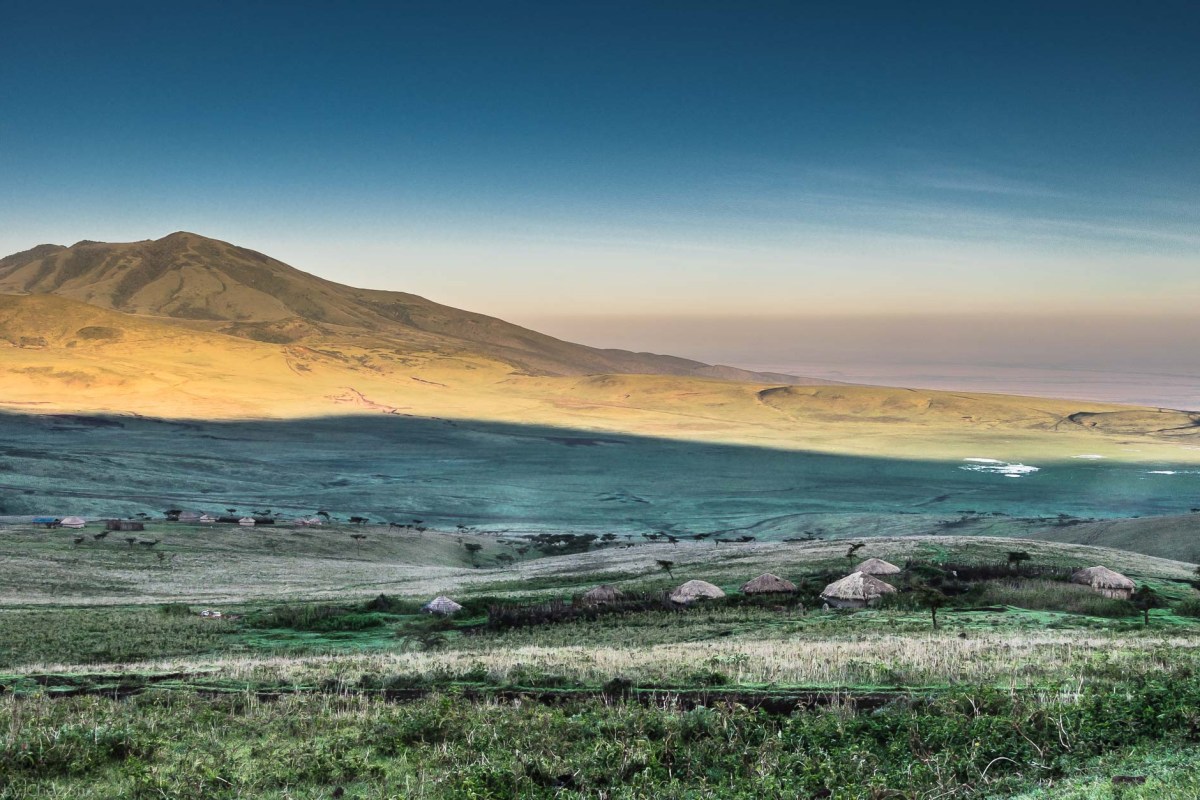
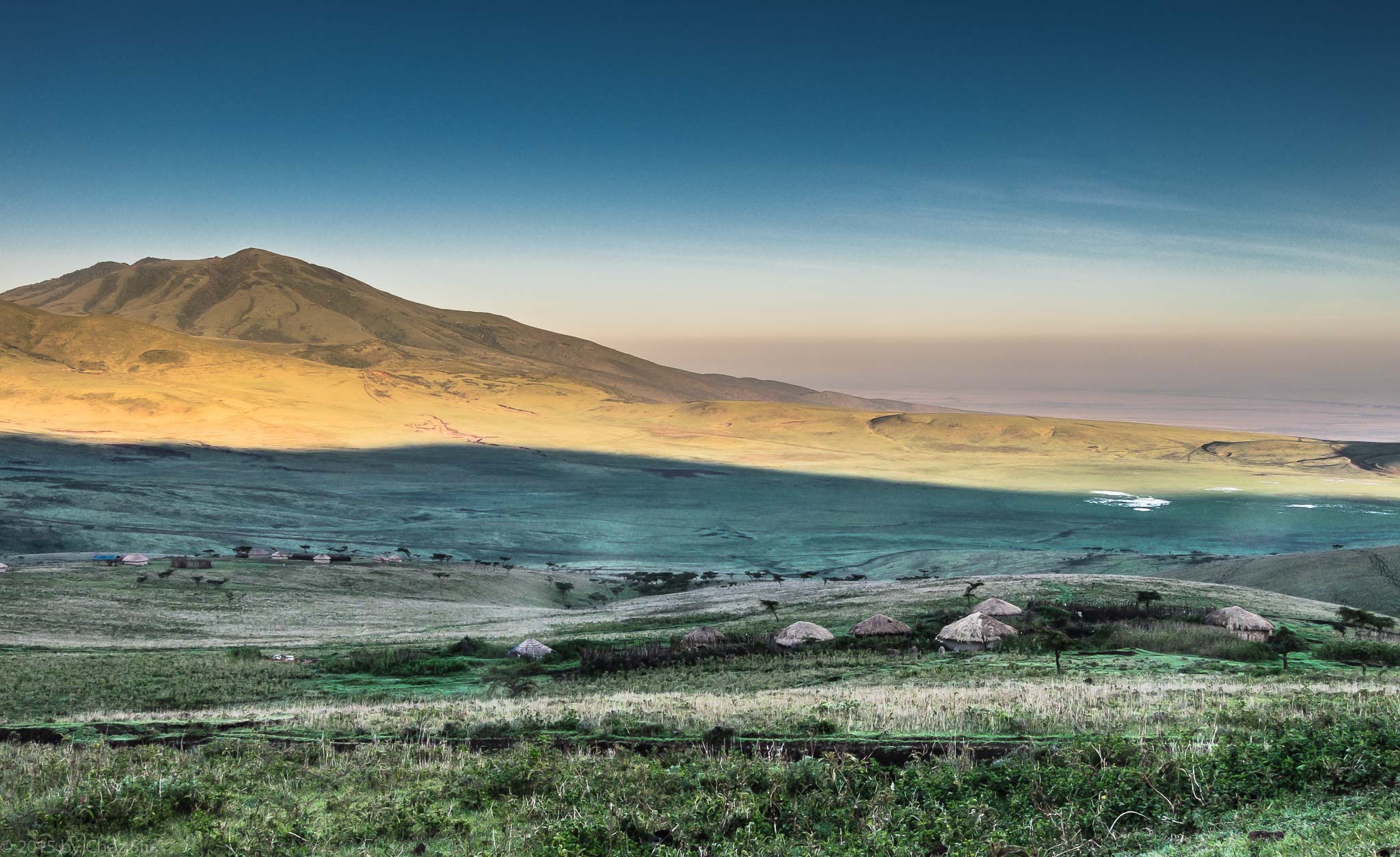
SAFARI: Maasai Village Pastorale

Maasai Village In The Valley With The Serengeti Plain On The Horizon
CLICK FOR FULL SIZE: Maasai Village In The Valley With The Serengeti Plain On The Horizon

SAFARI – NGORONGORO CONSERVATION AREA
I’m easing down to one picture a day, and a little blurb. We climbed out of the Ngorongoro Crater amazed by what we’d seen there, and passed through a smaller valley, dotted with Maasai thatch roof huts, Maasai driving their cattle, and up in the foothills, the now ubiquitous wildebeests and zebras with their spinning tails. Although pastorale is a musical reference, it seems apres pro for the serene pastoral setting we saw here (and everywhere, honestly). On the horizon, we could see the great Serengeti plain stretching for miles, and couldn’t imagine what we’d end up seeing there would top the Crater…but then again, we were headed straight to the Great Migration. Africa the amazing!

SAFARI: Crater Cloudscapes and All Creatures, Great And Small

Out Of The Crater On The Way To The Serengeti - This Guy
Out Of The Crater On The Way To The Serengeti – This Hungry Guy

SAFARI – NGORONGORO CRATER – PART 2

  • Yeah, I know you can get burned out on too many animal pictures. One of the things I’m mixing up here to try and keep it interesting is closeups–or as I call them “The National Geographic shots”–and some wider views of the plains with the animals dotting the landscape, to give you perspective on what we saw, and reassure you this is not some open air zoo, but their homes. There is an unmistakeable vibe of peacefulness and contentment with the animals here, and though the law of the wild/circle of life still applies, the tranquility of the crater and these magnificent beasts is unmistakeable. That’s part of what makes a trip to Africa a spiritual journey of sorts. Which says a lot, since in my regular life, I’m an earthbound, pragmatic fellow in general. Moreover, if the zoos back home were hard to visit before the trip, we all agreed wed have a very tough time seeing these guys in small enclosures ever again. their spirits soared on these wide open plains, and ours with them.
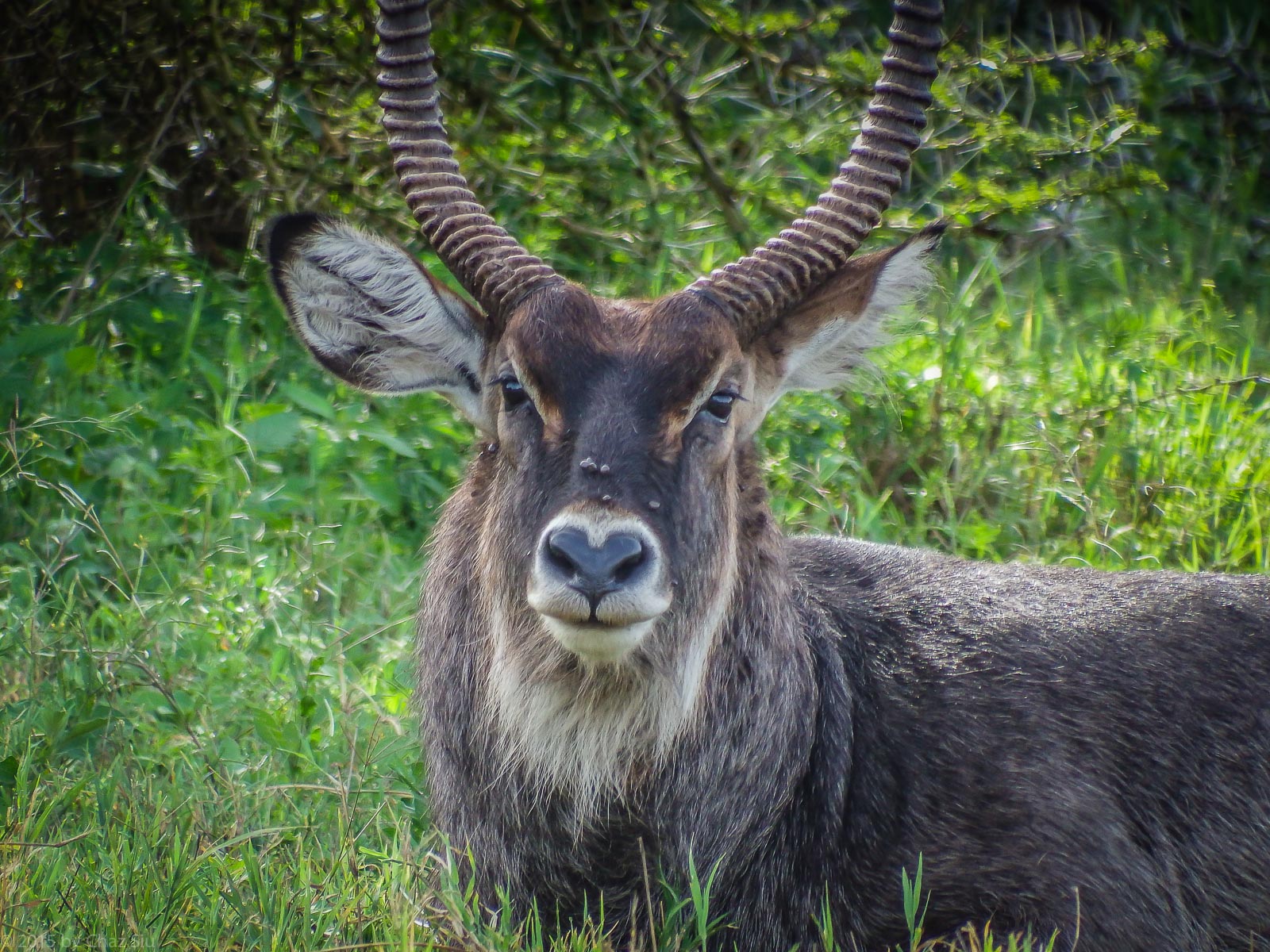
Believe It Or Not, This Is A Little Antelope.
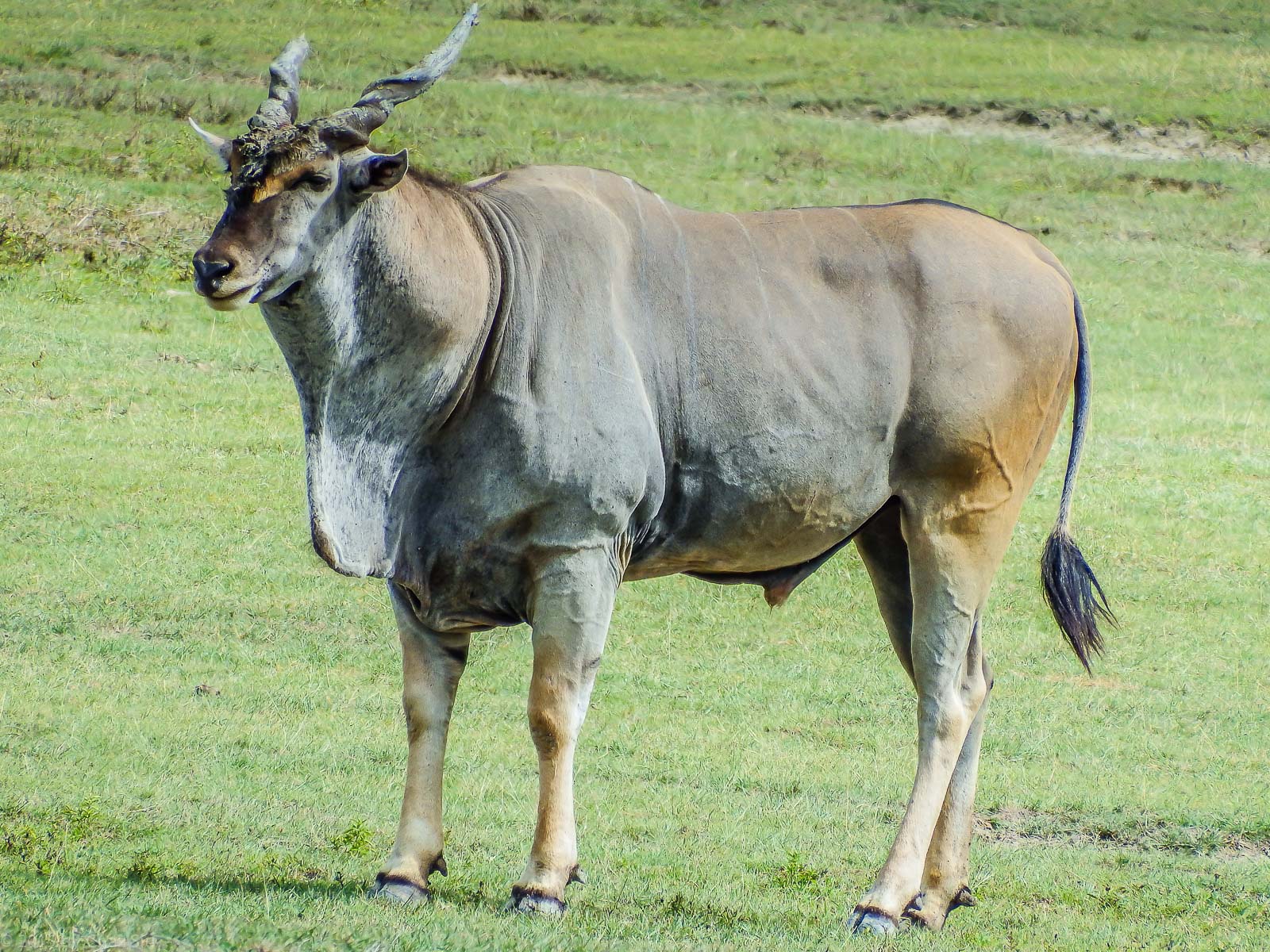
And This Guy Is the Giant Eland...a Huge Antelope.
And This Guy Is the Giant Eland…a Huge Antelope With An Equally Huge Chin Thingamabob
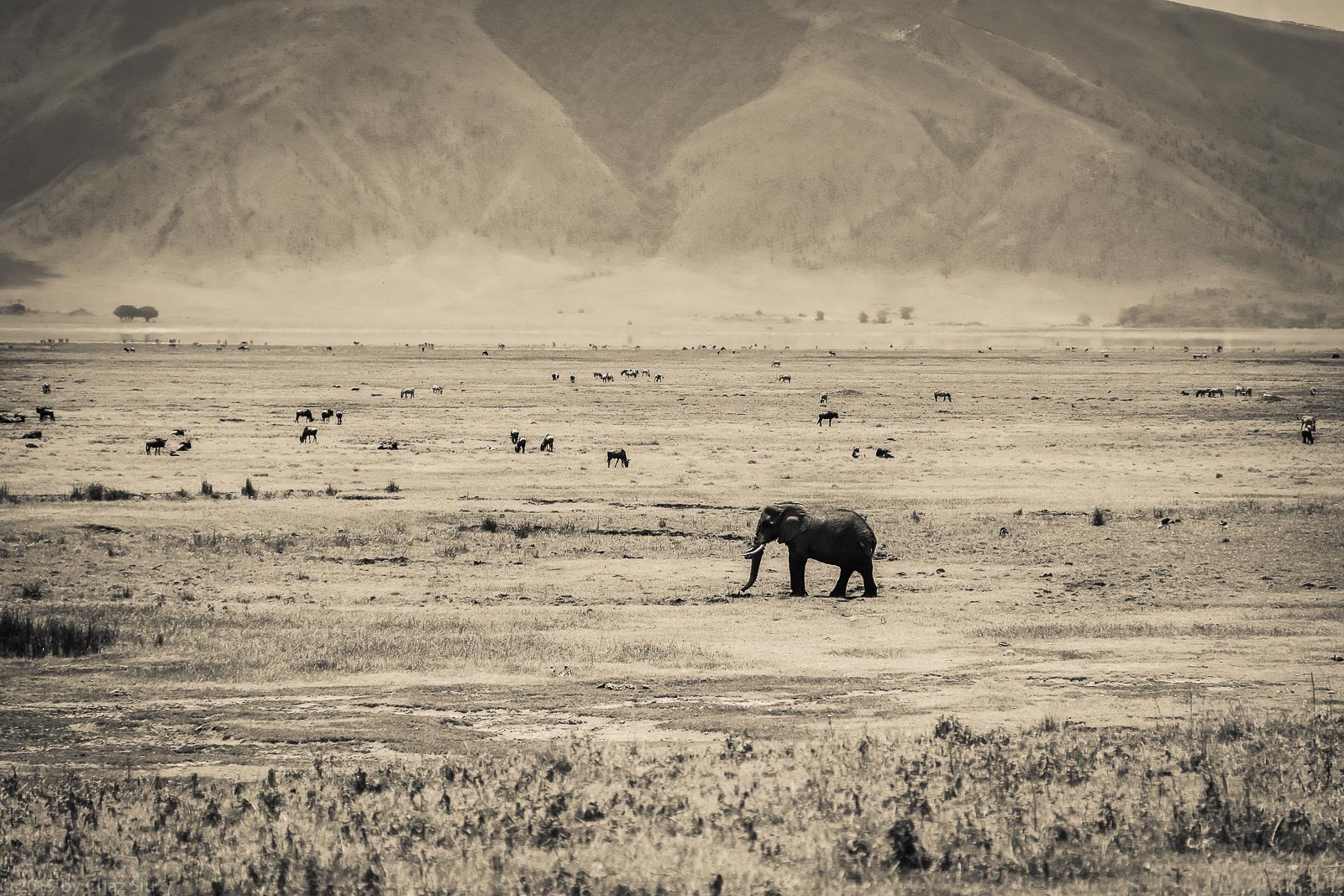
BW Elephants Look Small In The Ngorongoro Crater
Even Elephants Look Small In The Plains Of The Ngorongoro Crater
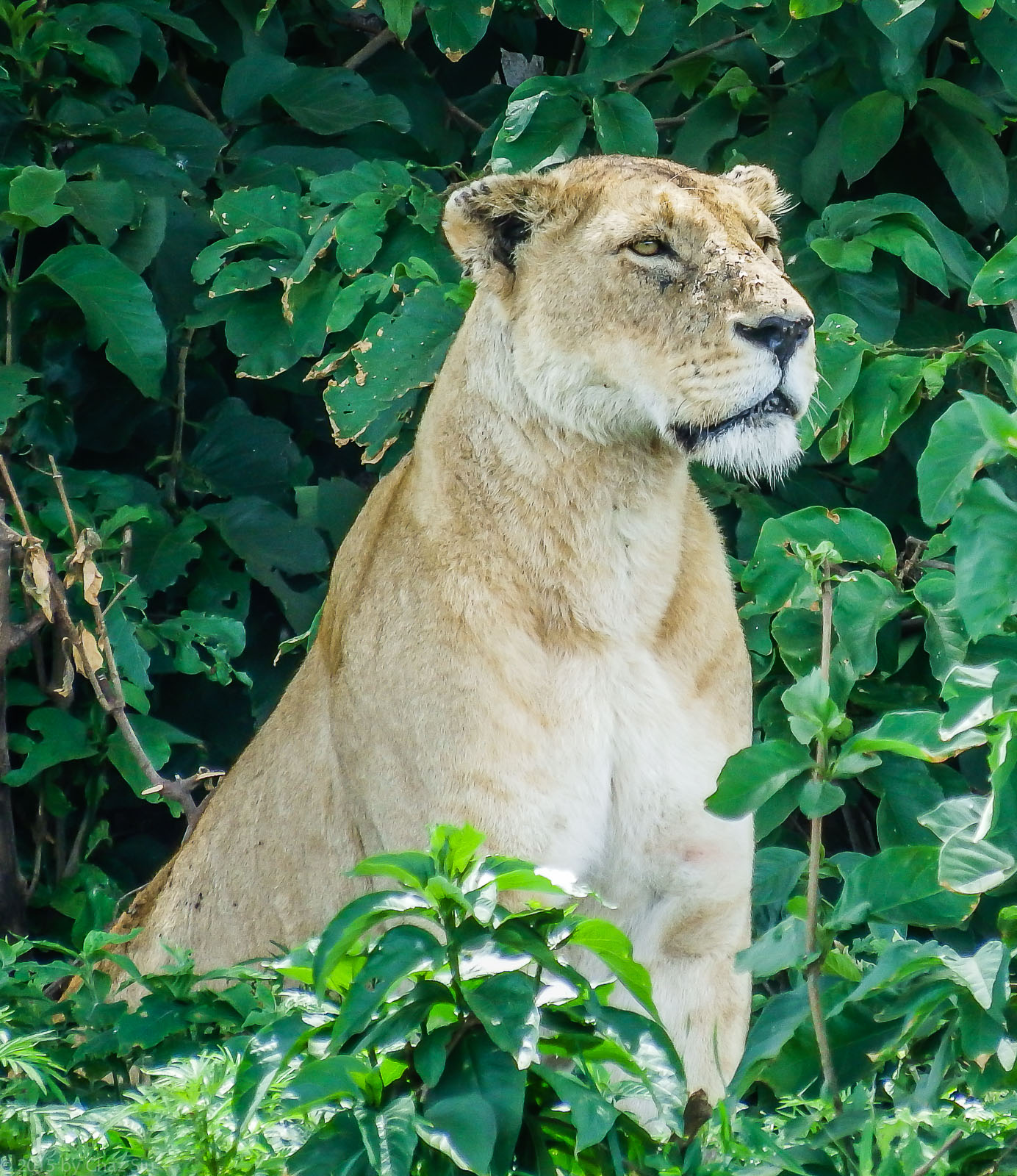
Mama Simba Watching For Food
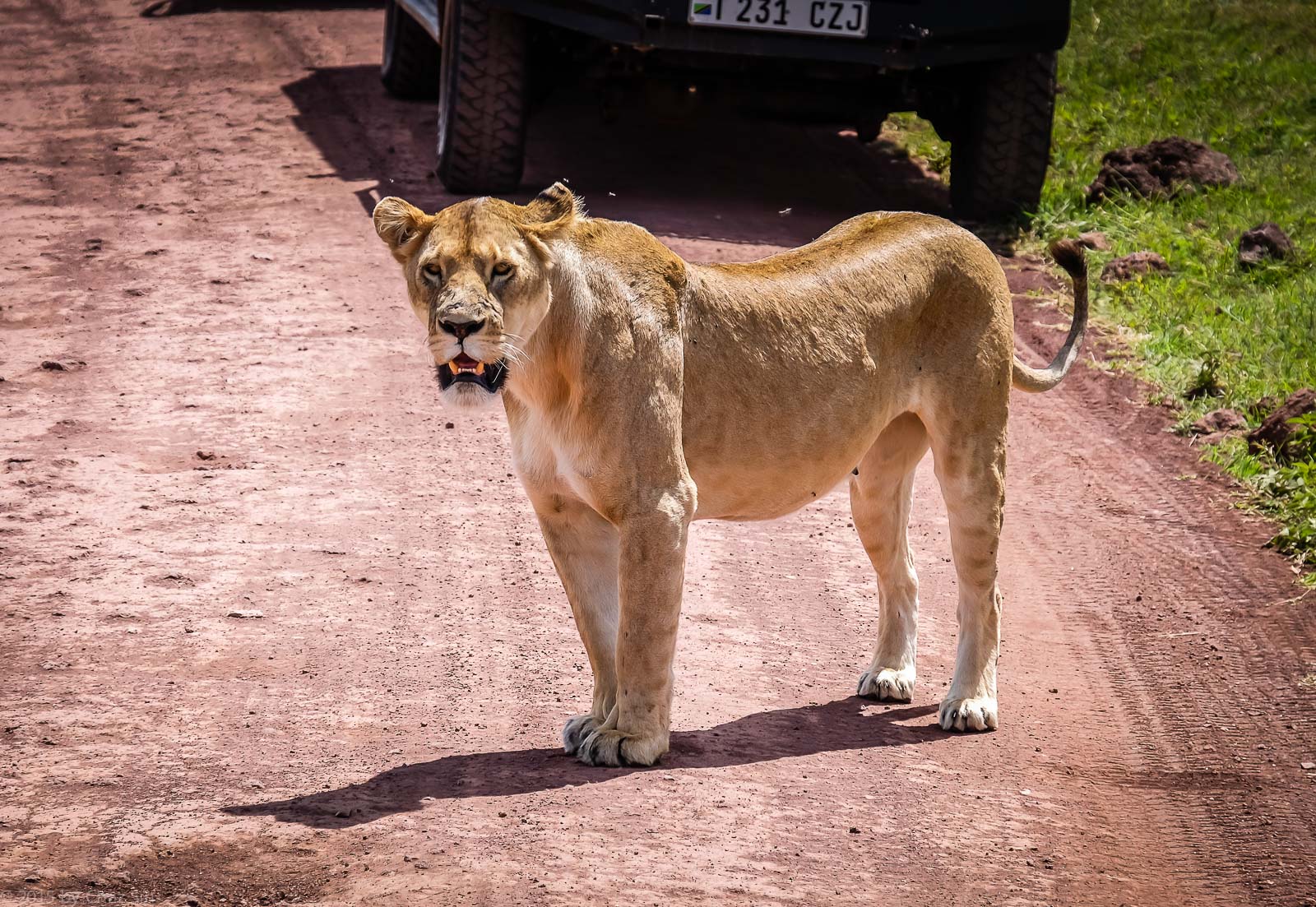
Then She Stood Up And Wandered Over On The Road Near Our Landcruiser To Scope Out Some NEarby Zebra
Then She Stood Up And Wandered Over On The Road Near Our Landcruiser To Scope Out Some Nearby Zebra
Thomson's Gazelle Kids Playing
Thomson’s Gazelles – Clash Of The Not So Titans
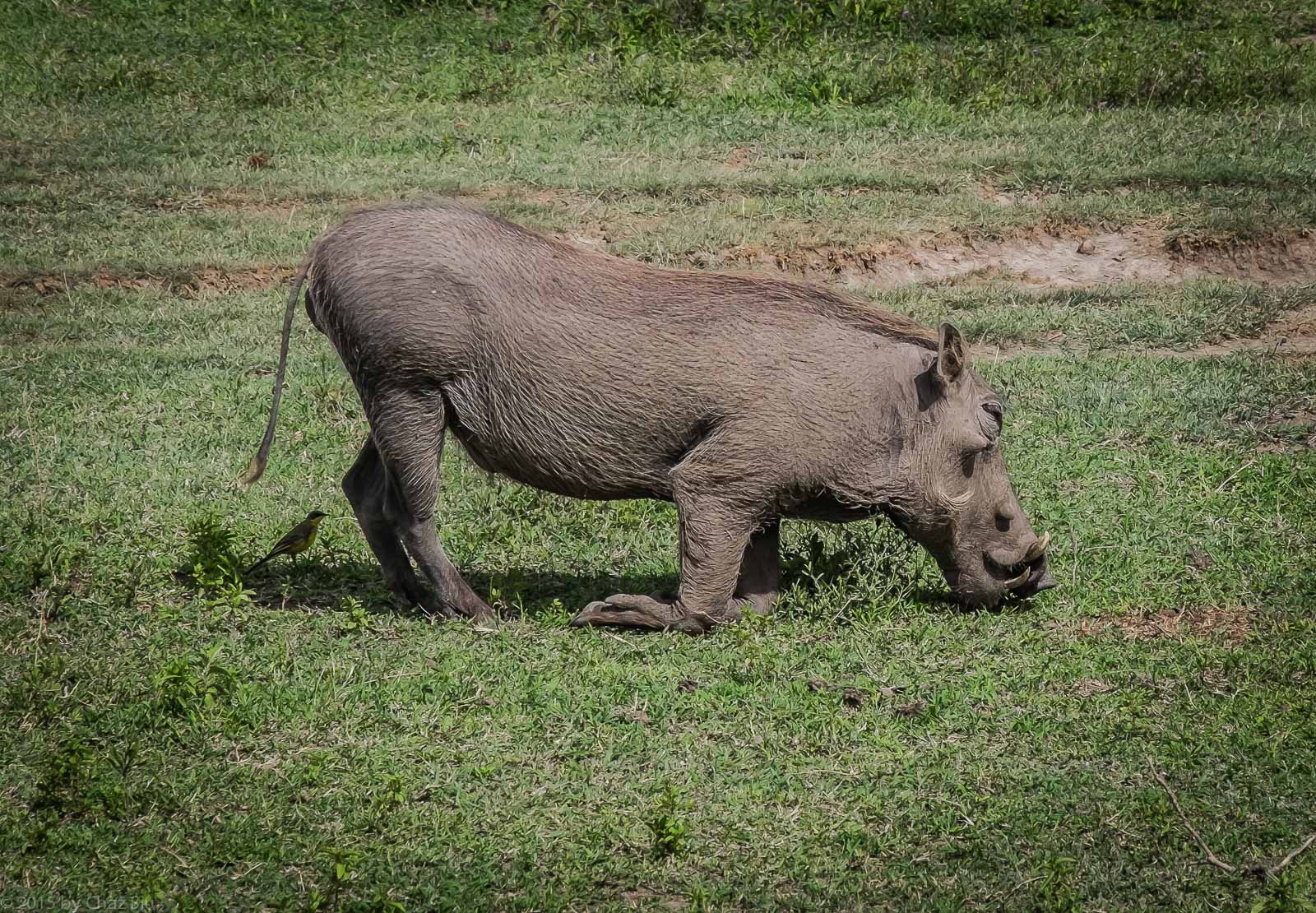
Warthog Kneels To Eat
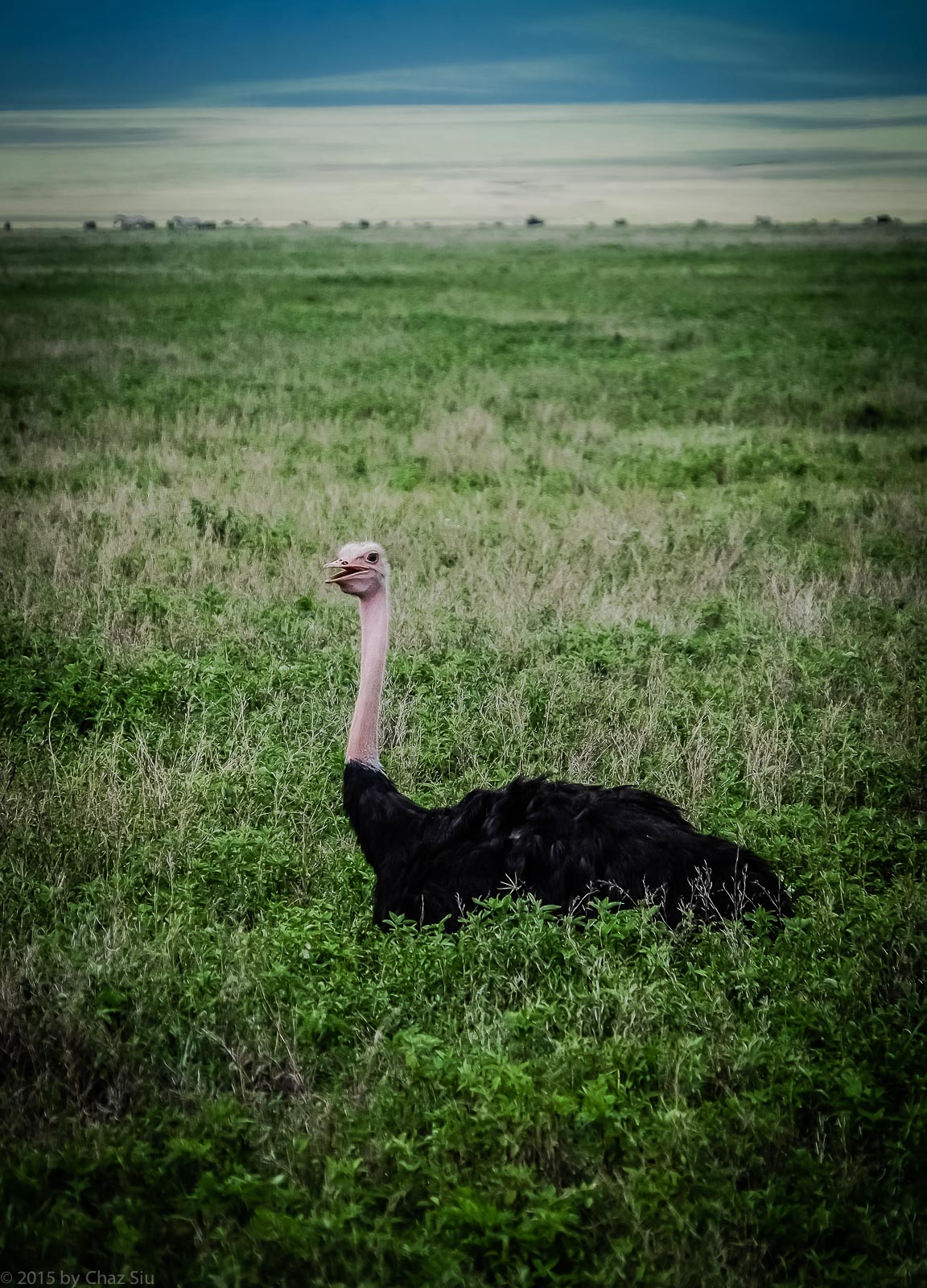
Female Ostrich Is The Family Breadwinner
While Papa Ostrich Waits For The Food From Mama
While Lazy Papa Ostrich Waits Nearby For The Food From Mama
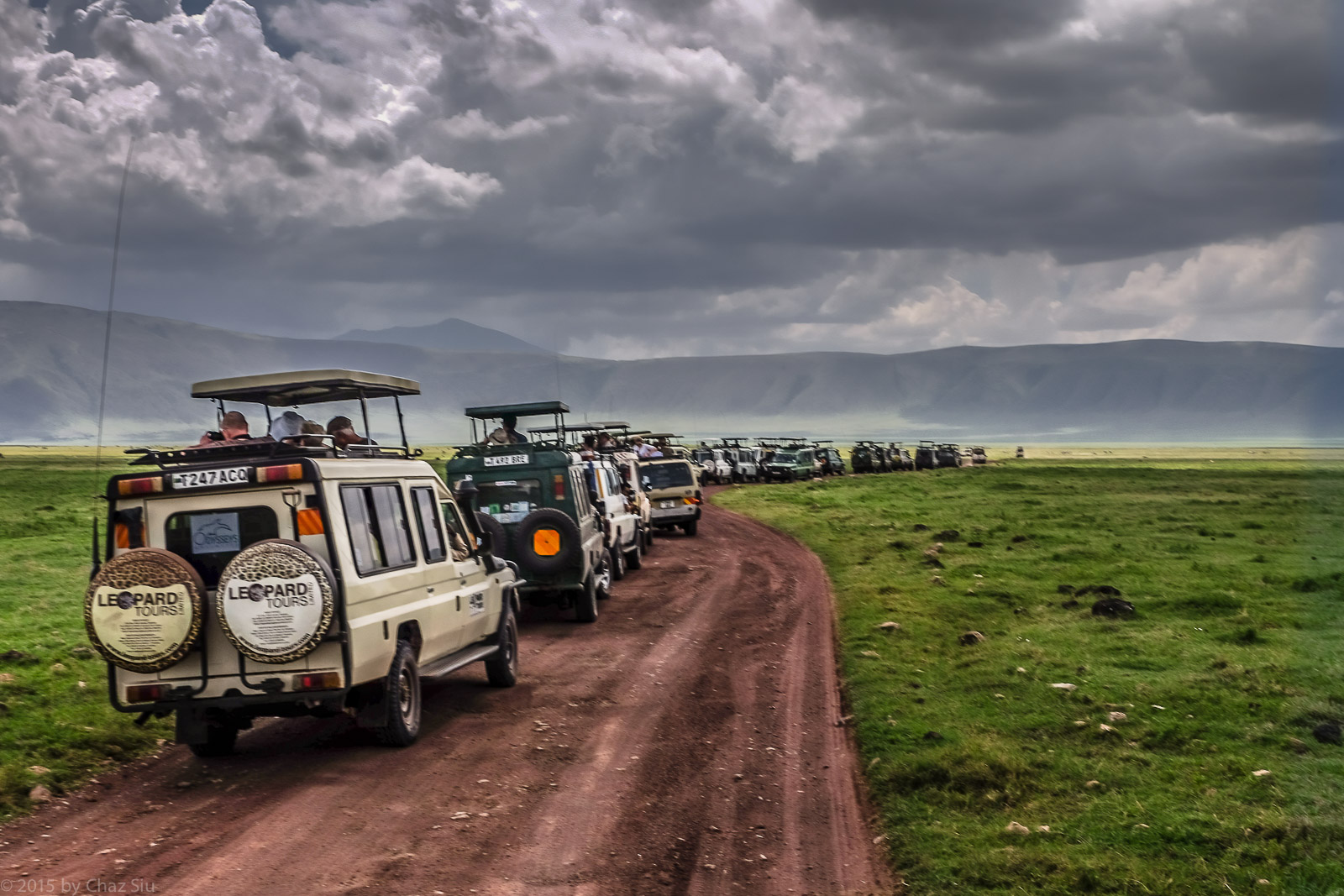
Landcruiser Migration For Black Rhino Sighting
Landcruiser Migration For Black Rhino Sighting, But Ended Up Blocking Rhinos From Crossing The Road
Young Black Rhino
Critically Endangered, But Populations Slowly On the Rise: Young Black Rhino
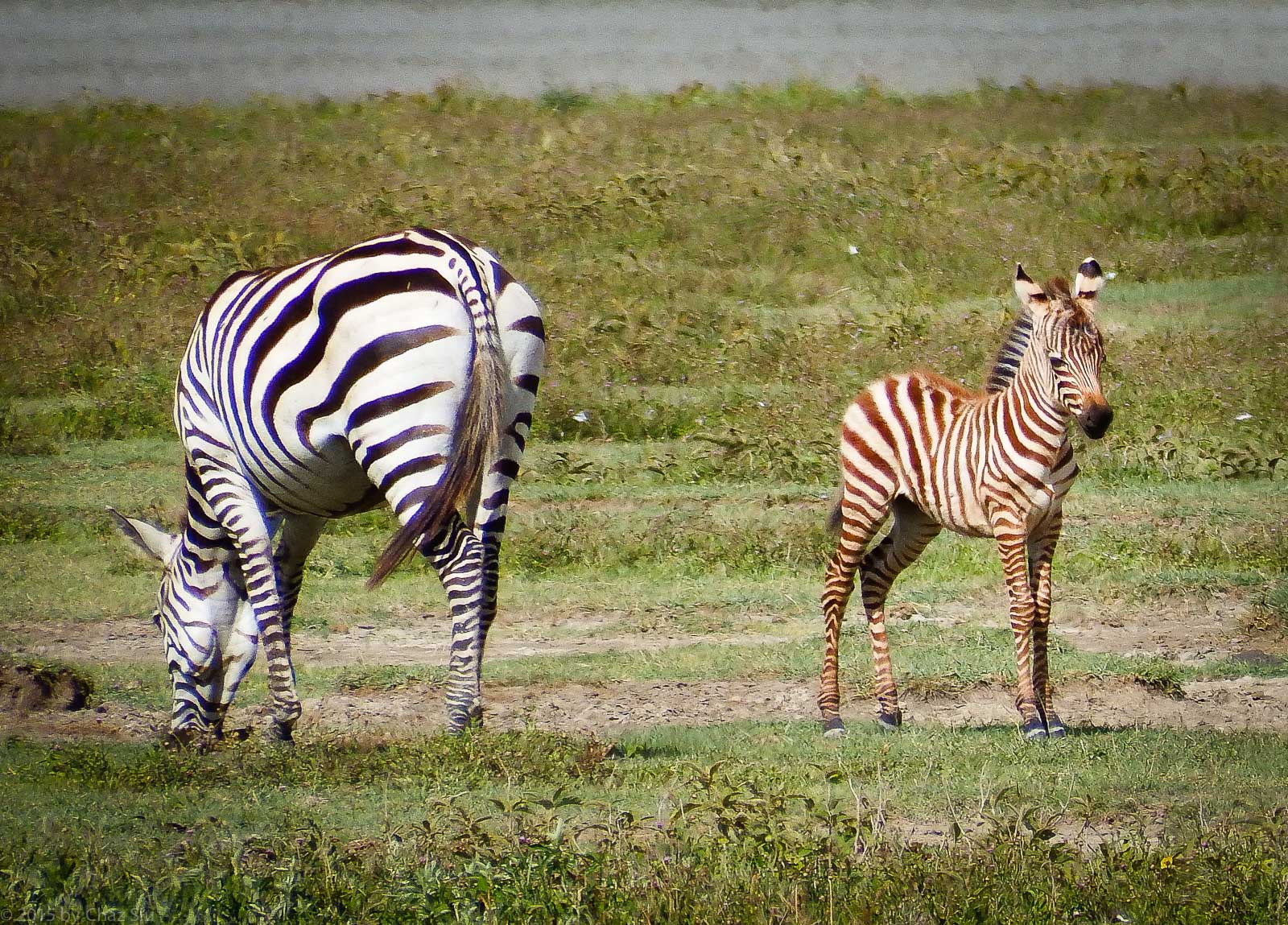
Mom and Baby Zebra - Note The Coloring Difference
Mom and Baby Zebra – Note The Coloring Difference
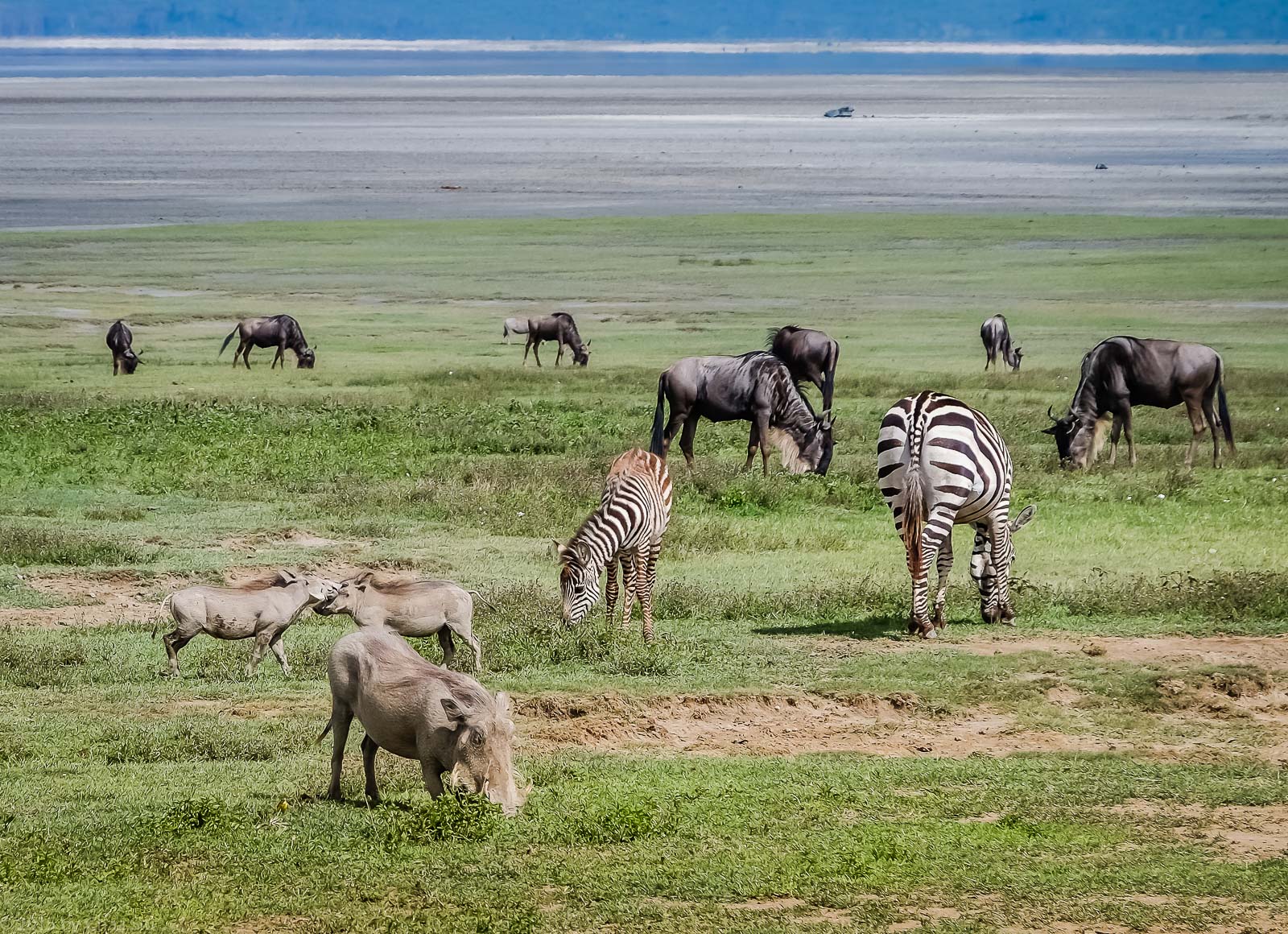
Ngorongoro Crater Diversity Is Everywhere
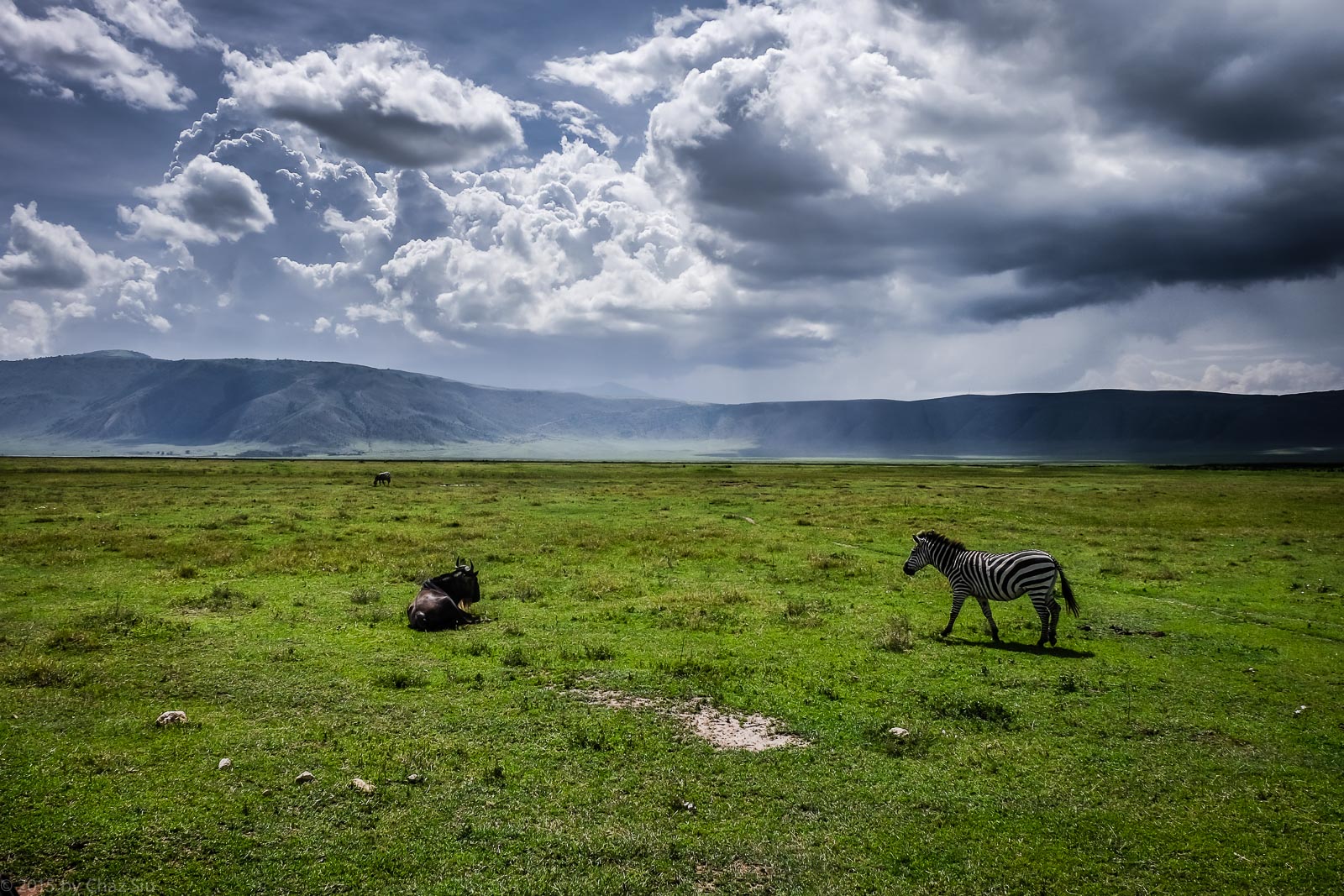
Rainclouds and Sunbeams With Zebra and Wildbeest
Their Own Slice Of Heaven: Crater Rains and Cloudscape With Zebra and Wildbeest

SAFARI: We Visit Babylon – Ngorongoro Crater

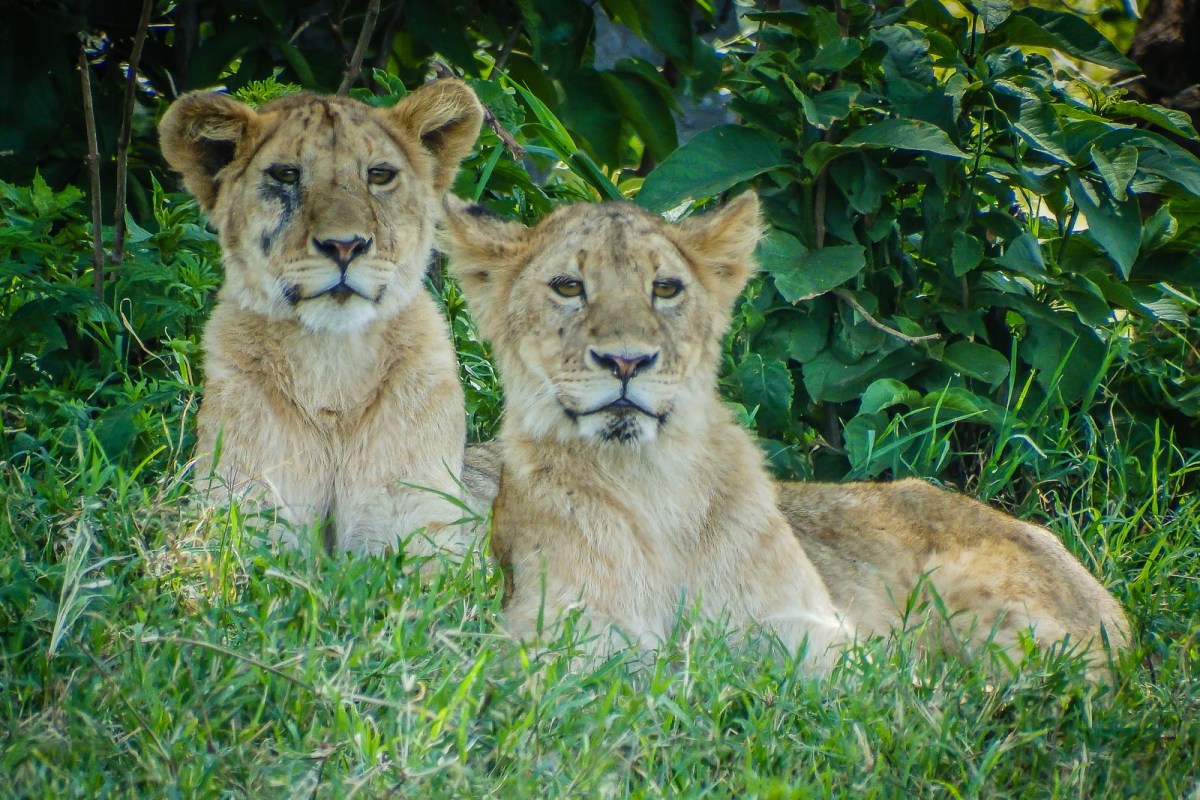
Lion Cub
Lion Cub

SAFARI – Ngorongoro Crater

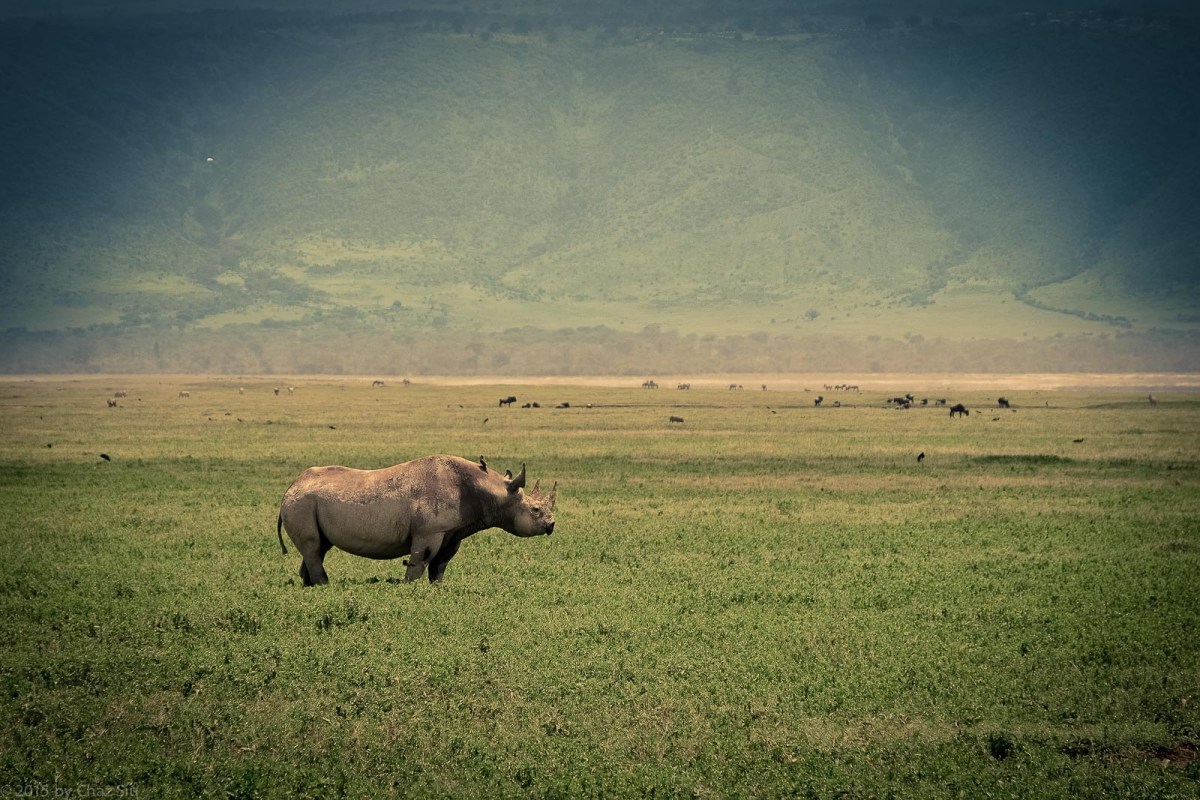
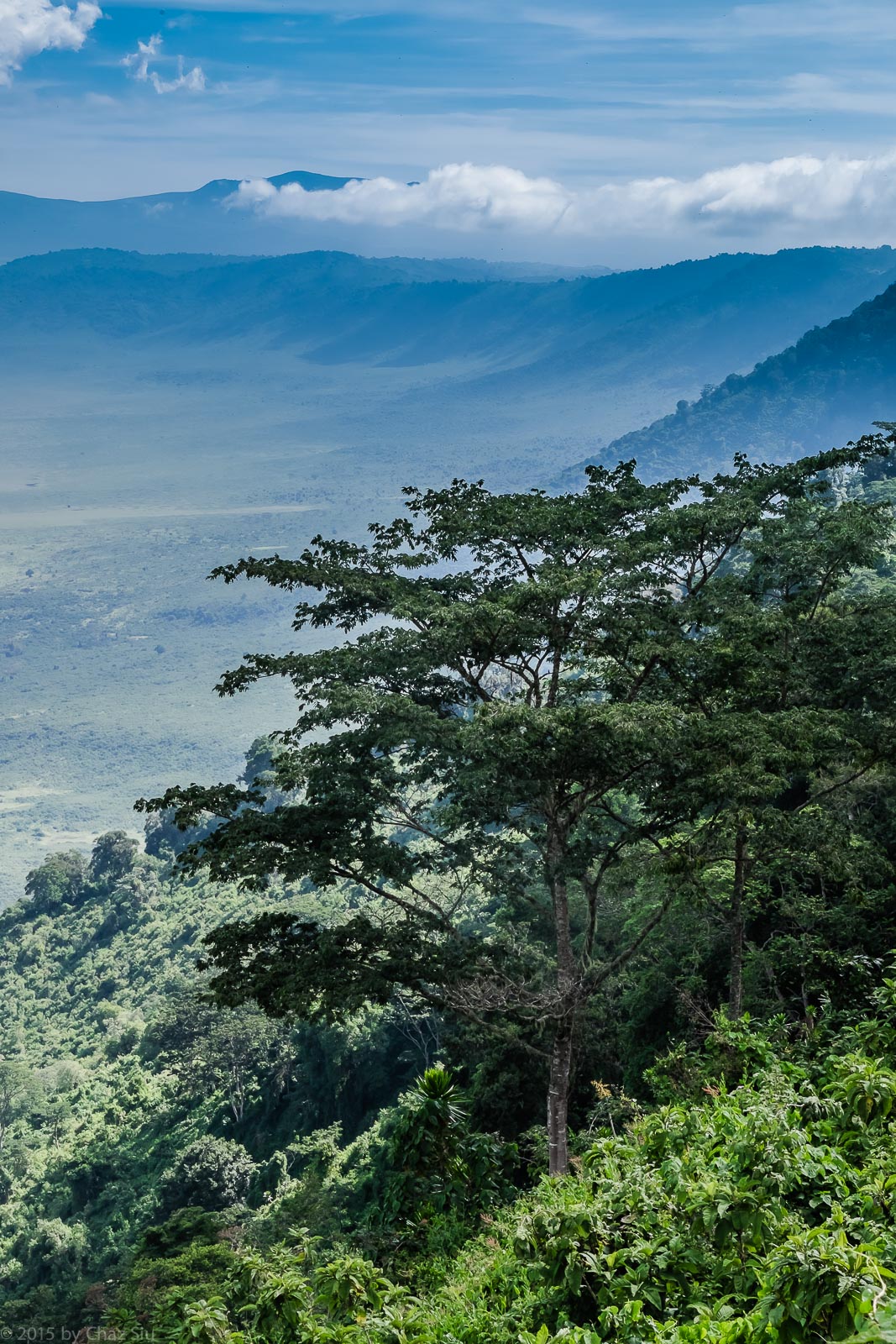
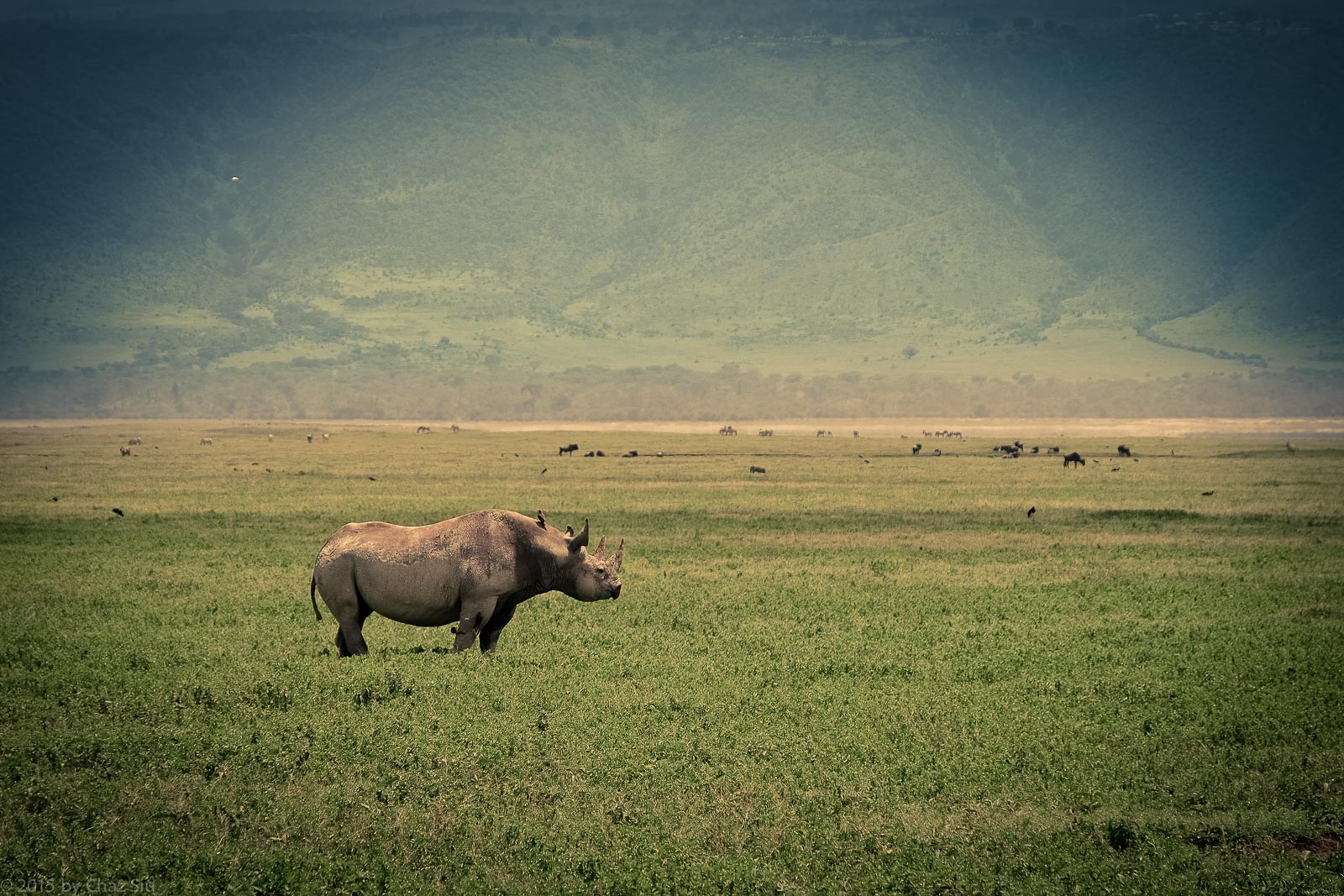
  • Ngorongoro Conservation Area (NCA) is a couple hours away from Lake Manyara, and stunningly beautiful. The NCA is home to the Ngorogoro Crater, a 13 mile diameter collapsed remains of a volcanic caldera where 25,000 animals now make their home in this lush green Babylon garden. The place was simply jaw dropping, hard to believe you were not looking at a postcard–much like the Grand Canyon, except far far greener. If you need a reason to go to Africa — this is definitely it. It also happens to be the home of the critically endangered black rhino, and rhino sightings caused hordes of Land Cruisers to converge as the guides talked on their walkie-talkies. We were very fortunate to get close sightings of a mother and her young rhino son within 50 yards. Anyhow – enjoy the simply amazing pictures of this natural wonder of the world.
CLICK TO EXPAND: Panoramic of Ngorongoro Crater
Ngorongoro Crater Portrait
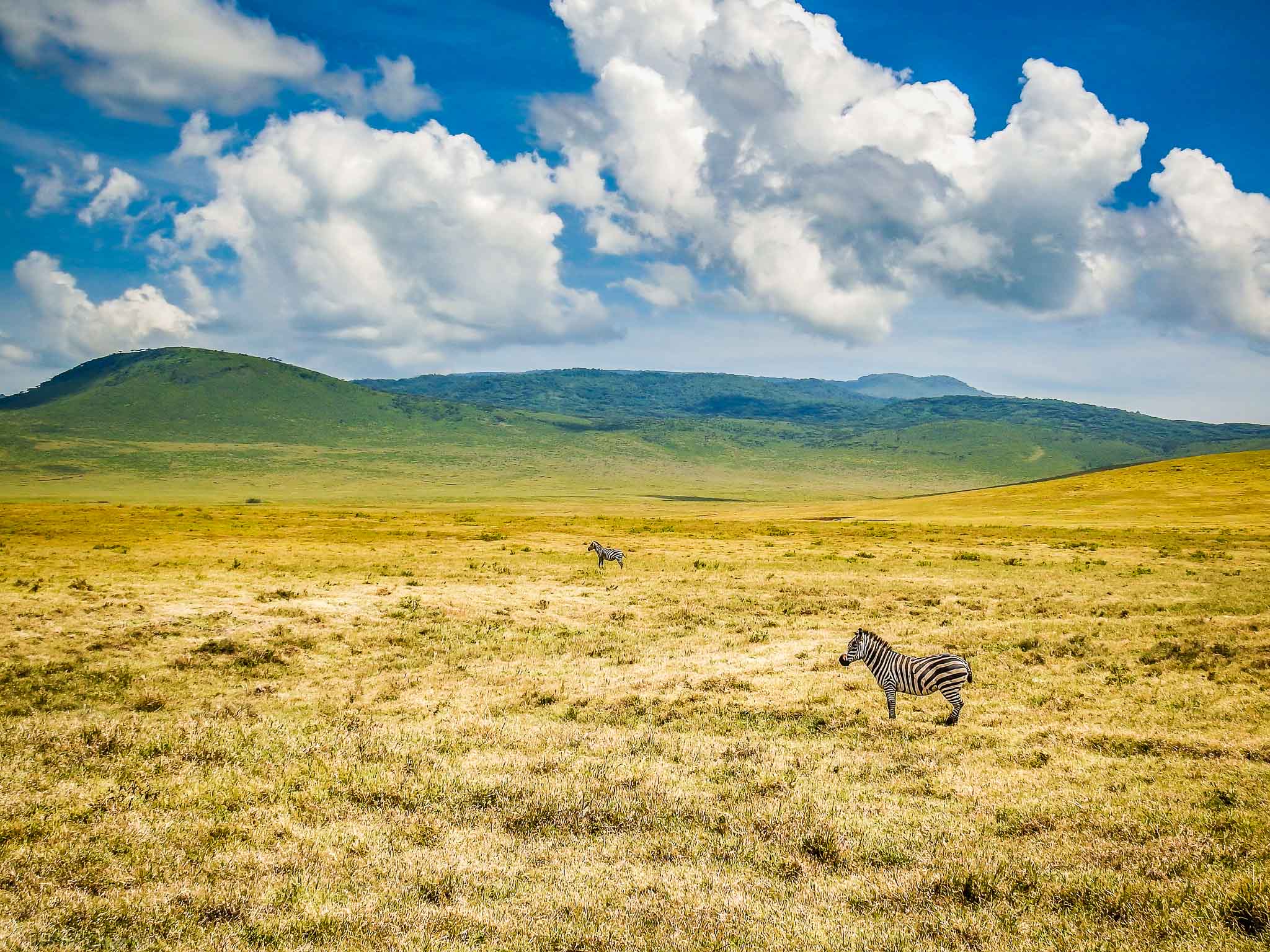
Zebras On The Plains of Ngorongoro Crater
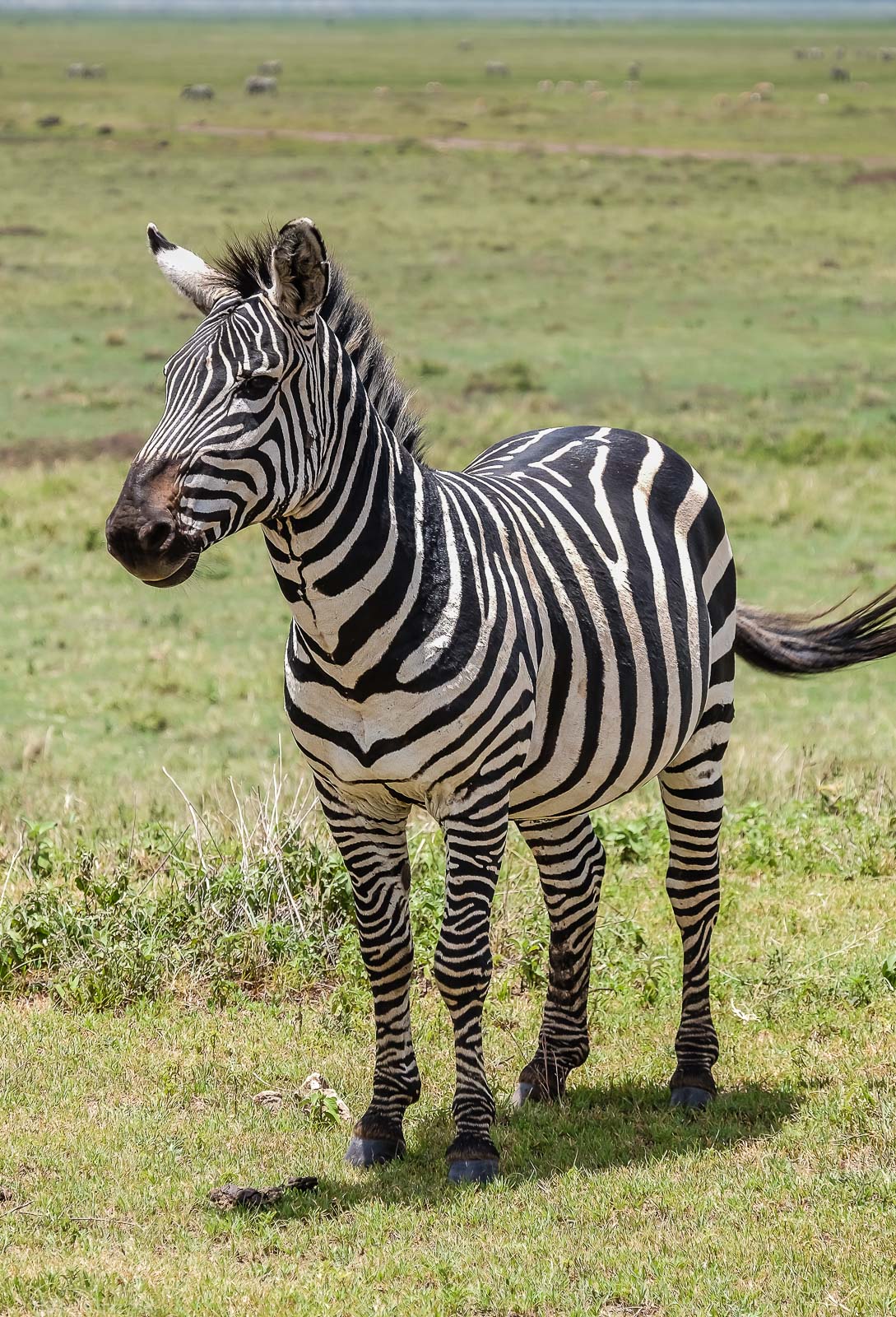
Zebra Face Forward
Zebra Face Forward
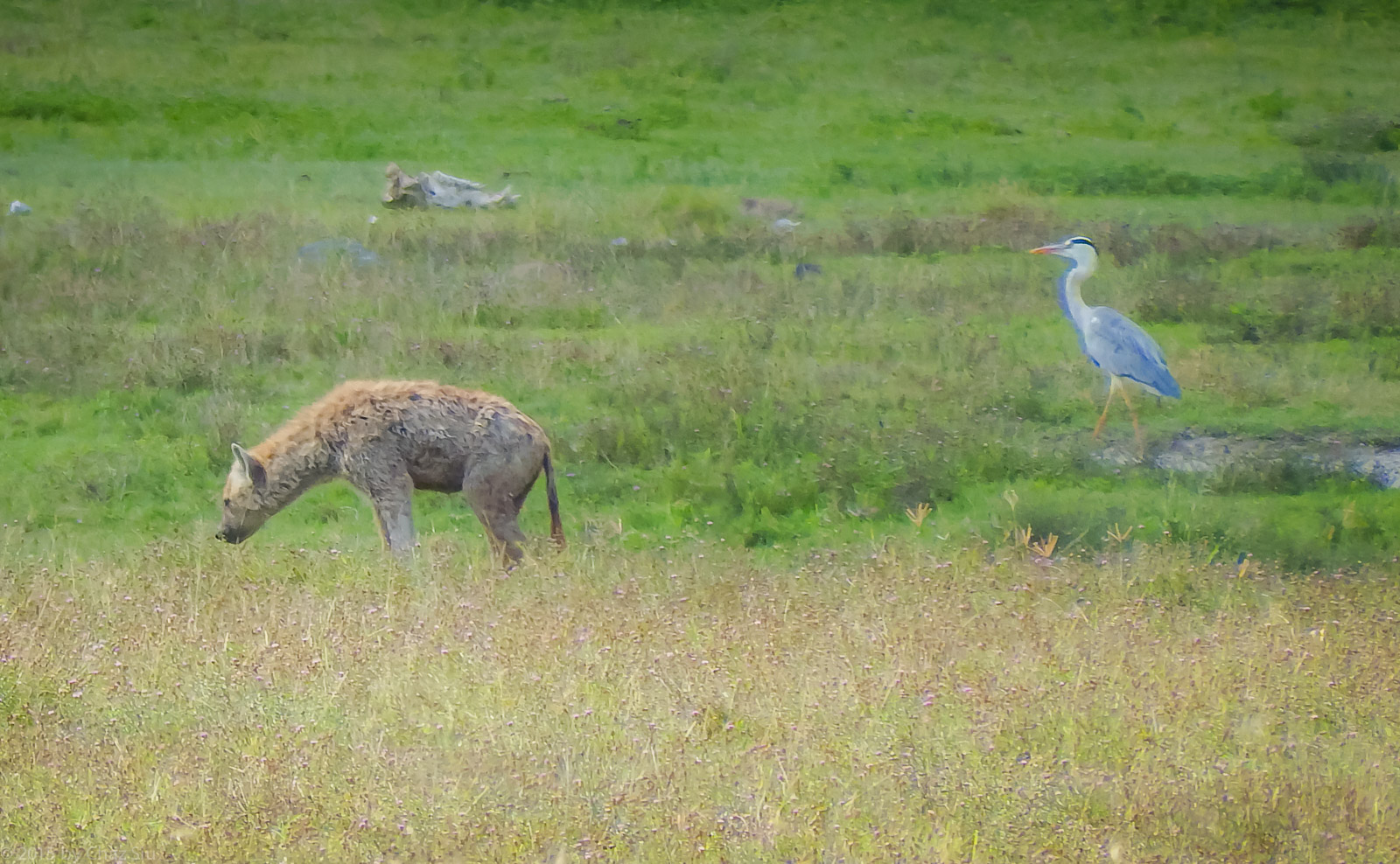
Watercolor Effect of Soft Focus:  Duck And Spotted Hyena
Watercolor Effect of Soft Focus: Duck And Spotted Hyena
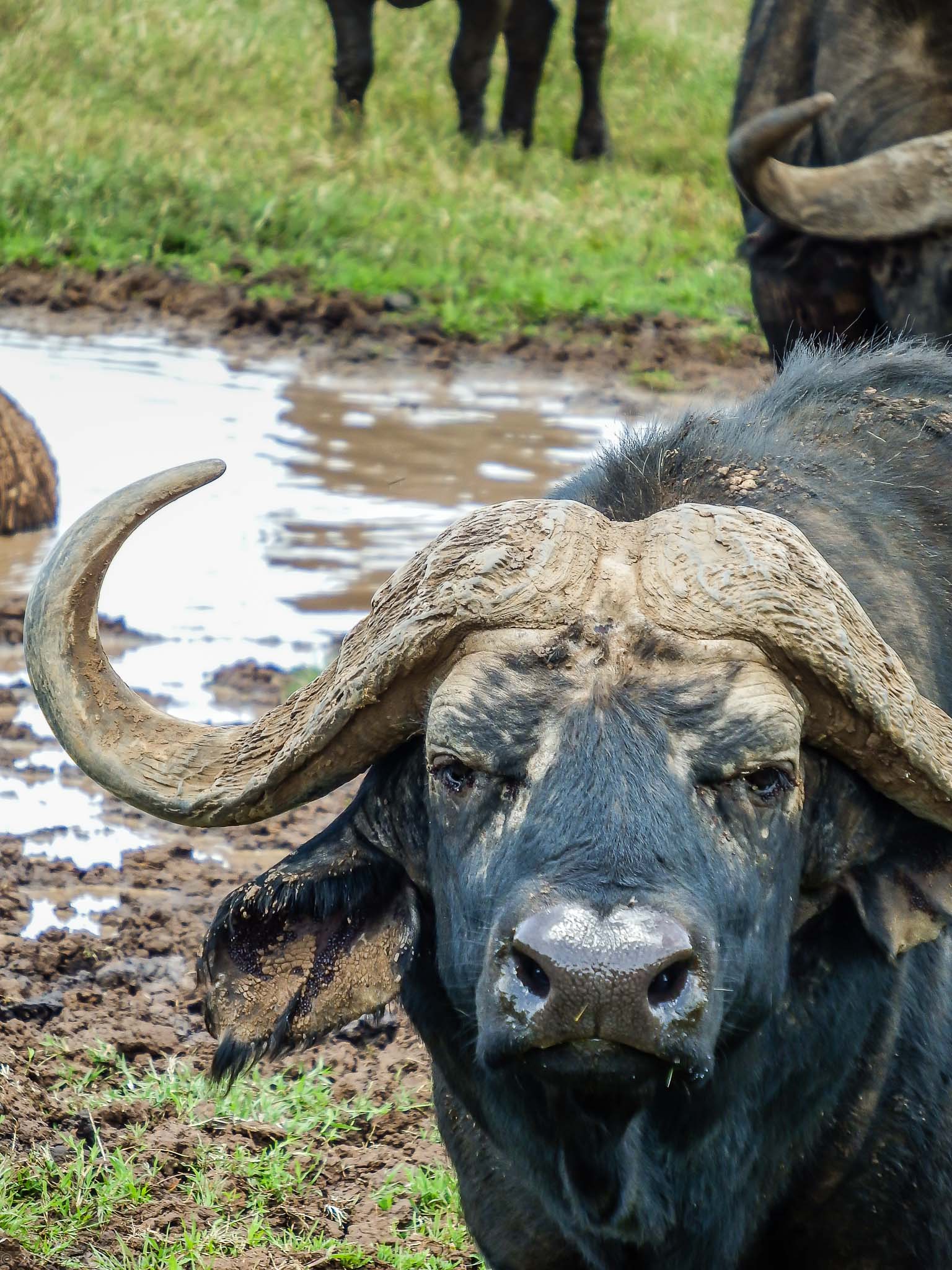
Cape Buffalo Makes Happy Face - NOT
Cape Buffalo Makes Happy Face – NOT
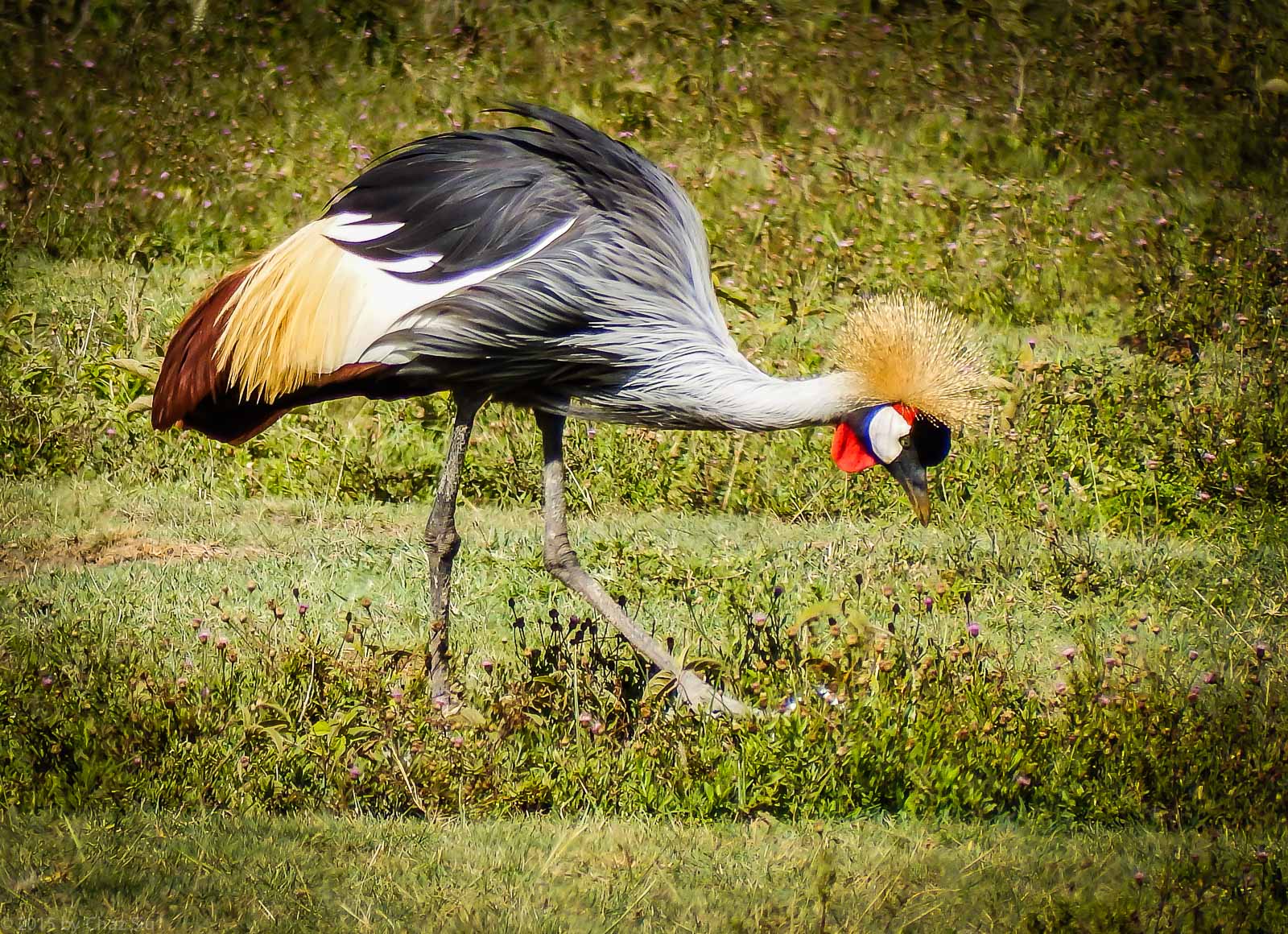
Grey Crowned Crane - Awesome Plumage!
Grey Crowned Crane – Awesome Plumage!
Rare Black Rhino On The Plains
Oxpeckers Chomping Ticks On Black Rhino
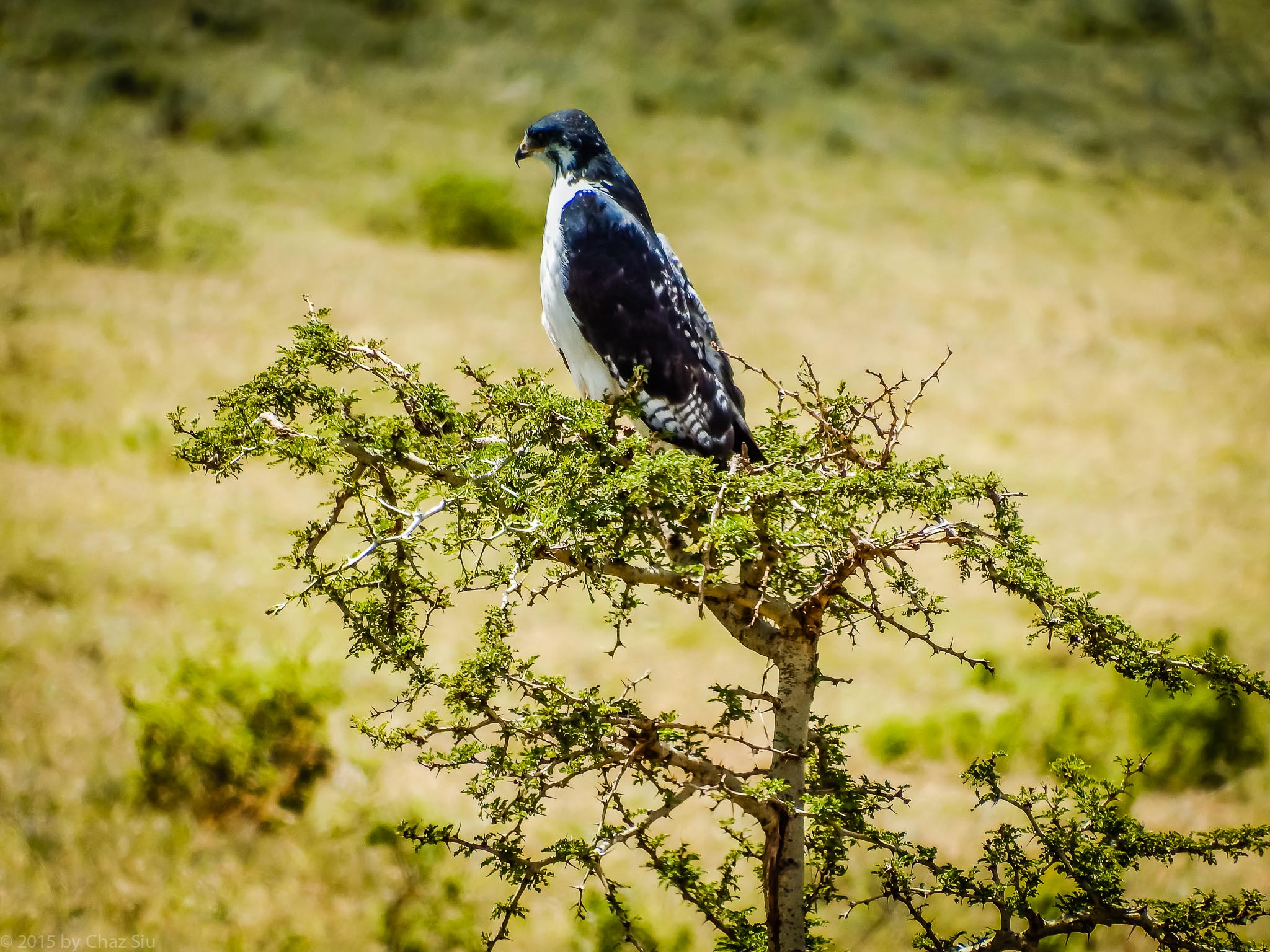
Augur Buzzard - Looks Like A Falcon
Augur Buzzard – Looks Like A Falcon
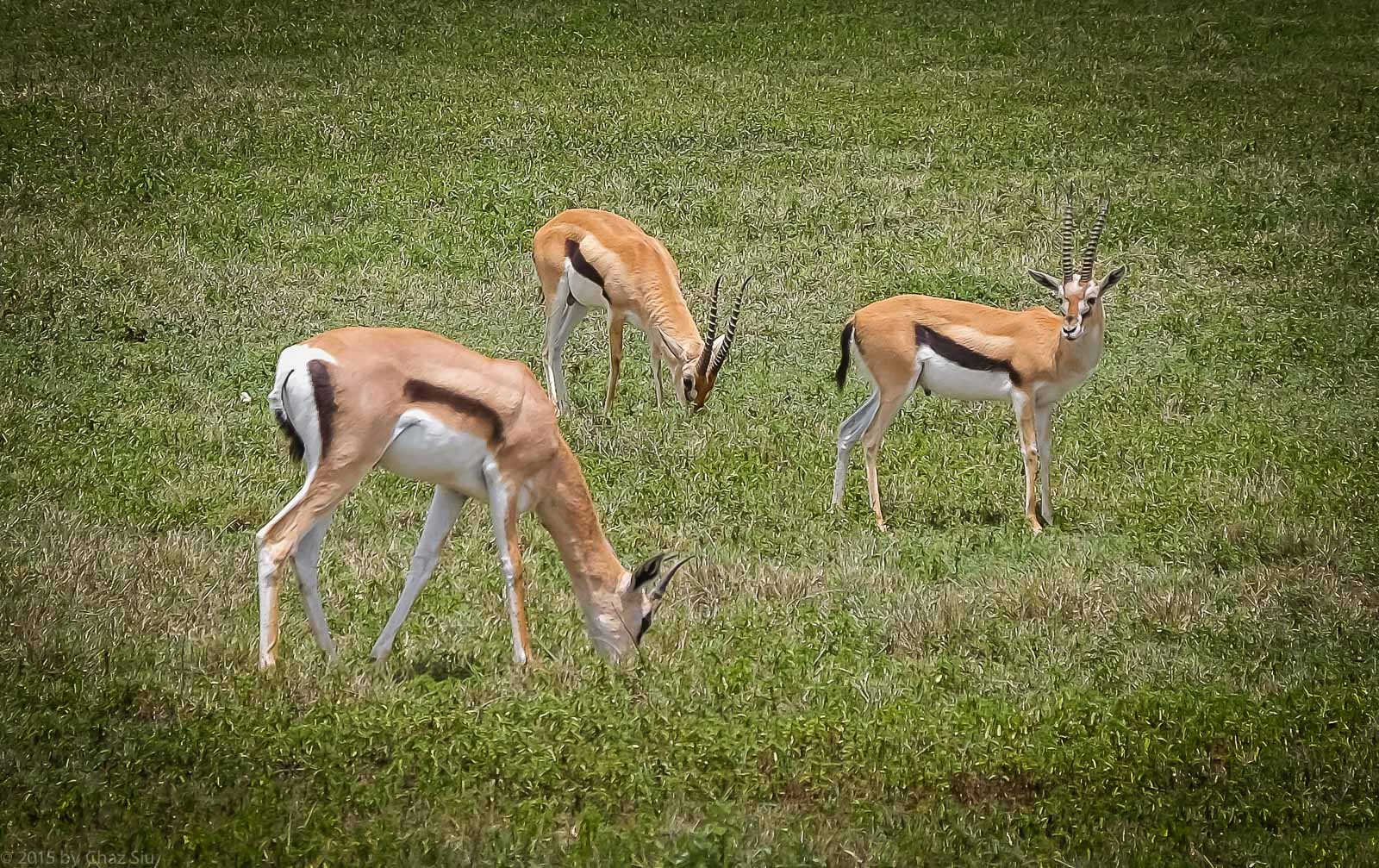
Thomson's Gazelles
Thomson’s Gazelles
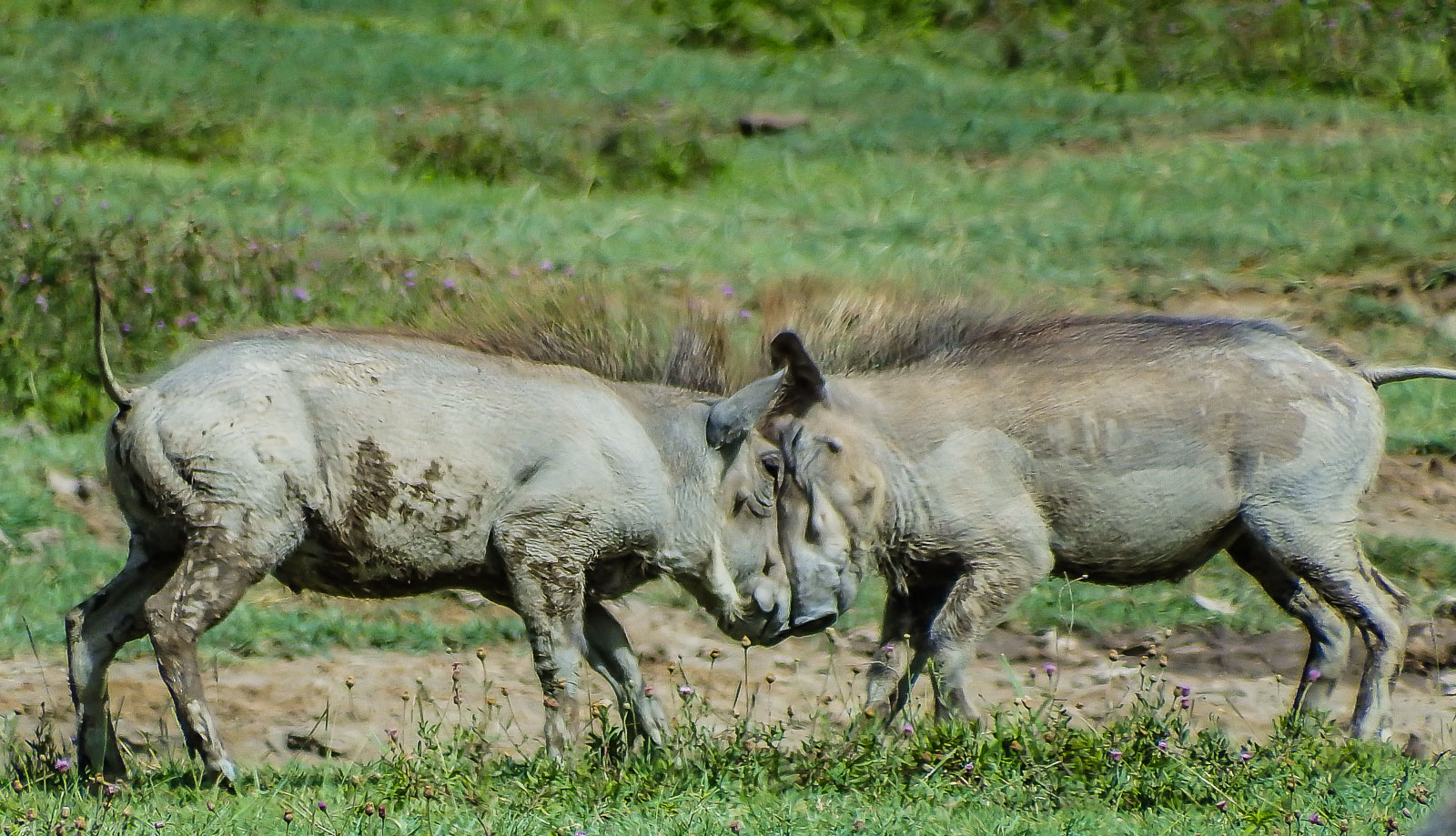
Young Warthogs Playing
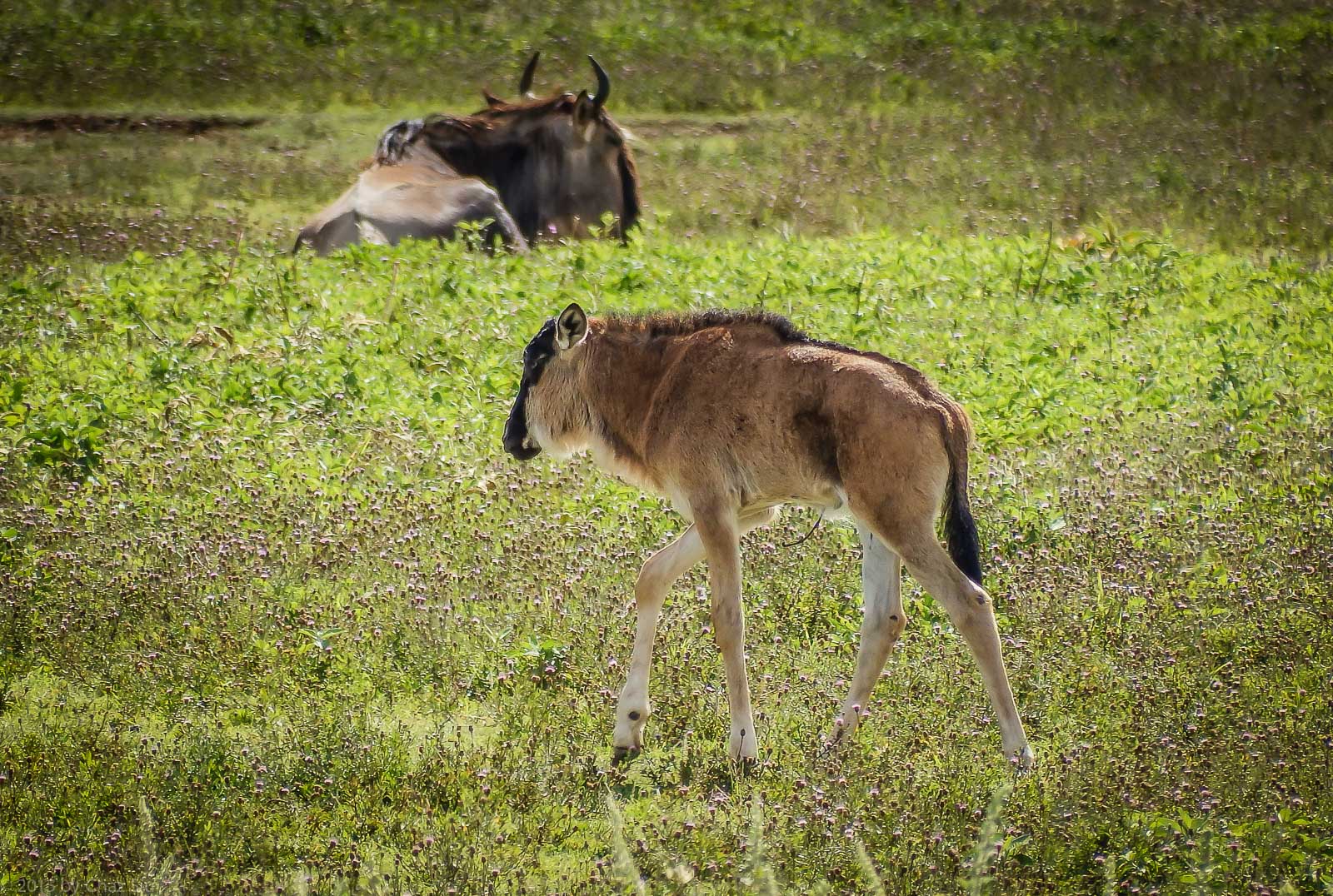
Baby Wildebeest With Mom Chilling In The Grass Nearby
Umbrella Acacia Trees Along The Road Into The Crater

SAFARI: More Gorgeous Animals And The First Of Several Amazing Lodges We Had To Ourselves

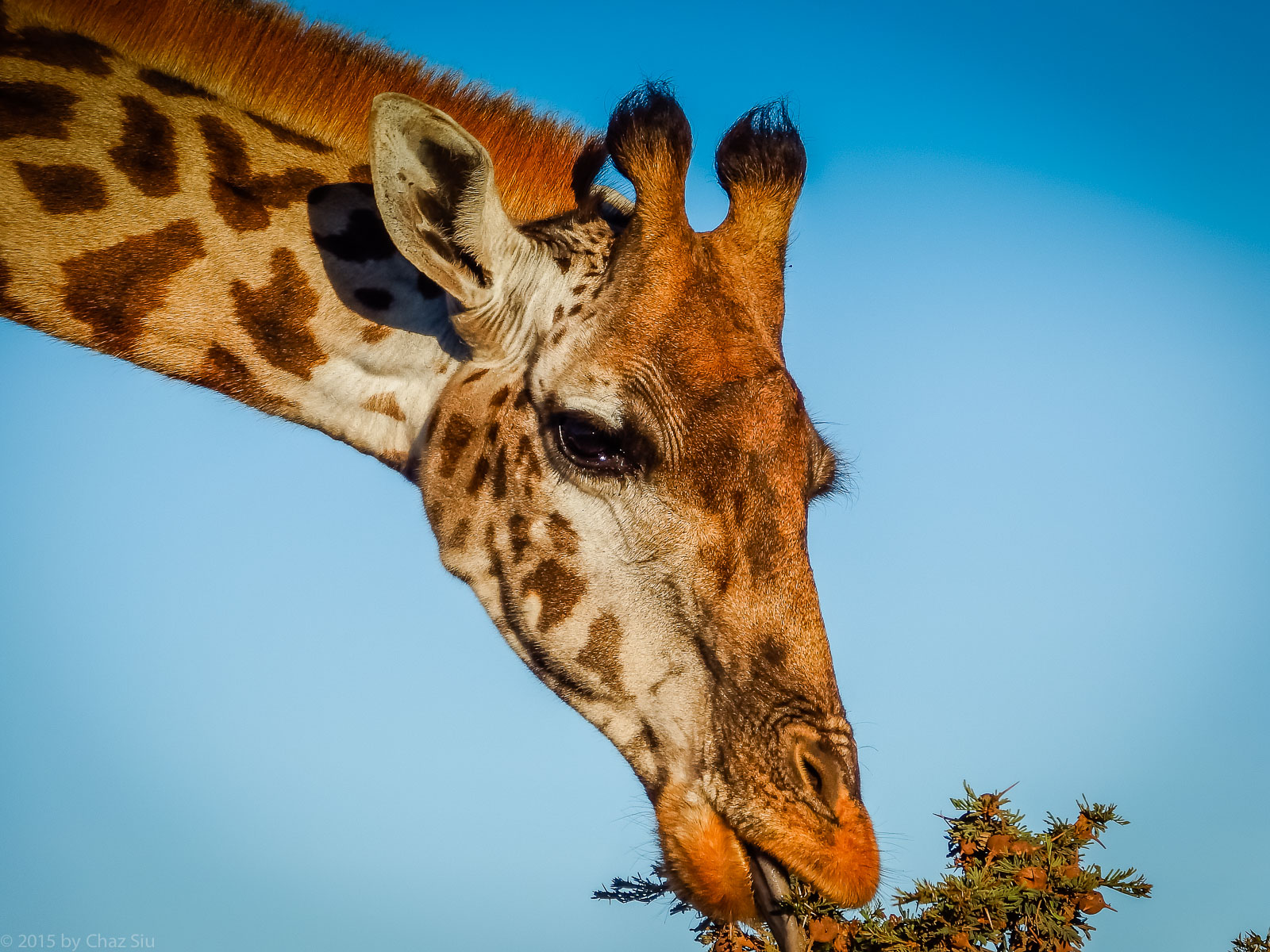
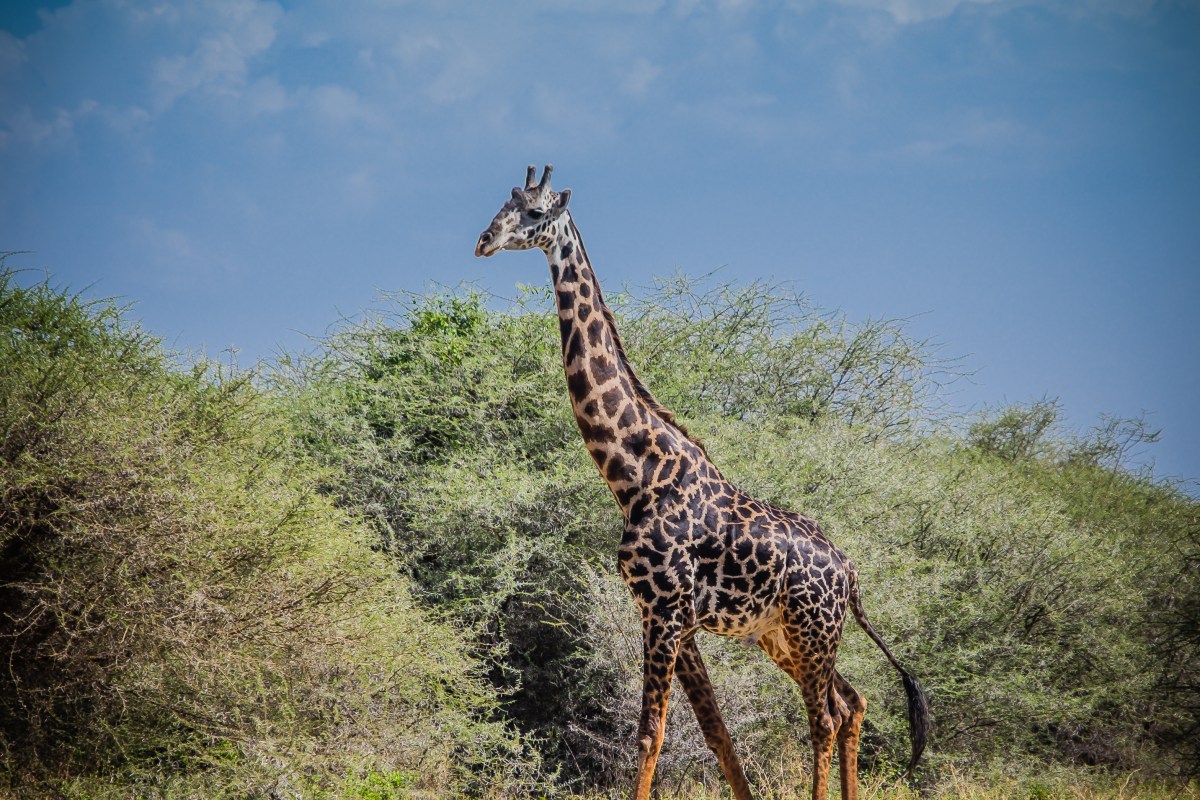
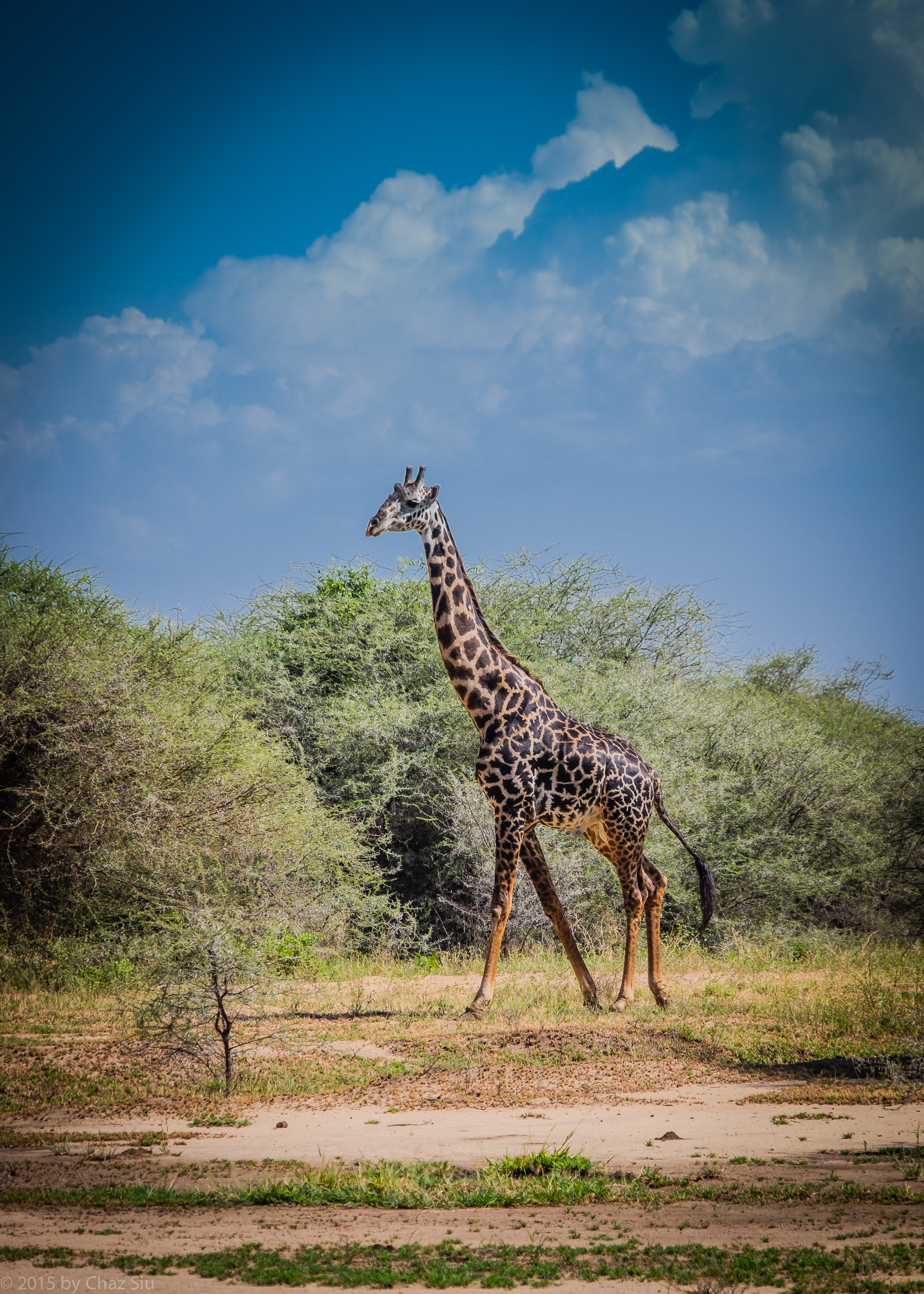
Lake Manyara - You Never Forget Your First Wild Giraffe
Lake Manyara – You Never Forget Your First Wild Giraffe

SAFARI – LAKE MANYARA

  • Tanzanian Tourism–of which safaris are a huge part–took a 40% nose dive due to basic geographical ignorance on the part of many tourists who labeled the entire African continent with the stigma of the Ebola epidemic that broke out last fall. Never mind that Tanzania is in east Africa over 3100 miles away; to put that in perspective, it would be like canceling a trip to Key Largo, Florida because someone in Seattle got the virus. Moreover, Western Europe, including Spain, which did have Ebola cases, are closer than Tanzania to the western Africa outbreak. And the final depressing fact is that although the US and Europe reported both Ebola cases AND deaths resulting from it, Tanzania has to date reported zero (0) cases of the epidemic. The net result was that the four of us stayed in some grand old lodges all by ourselves – polished timber throwbacks to the 1800’s English hunting lodges. Amazing and a little sad. I hope Tanzania rebounds soon.
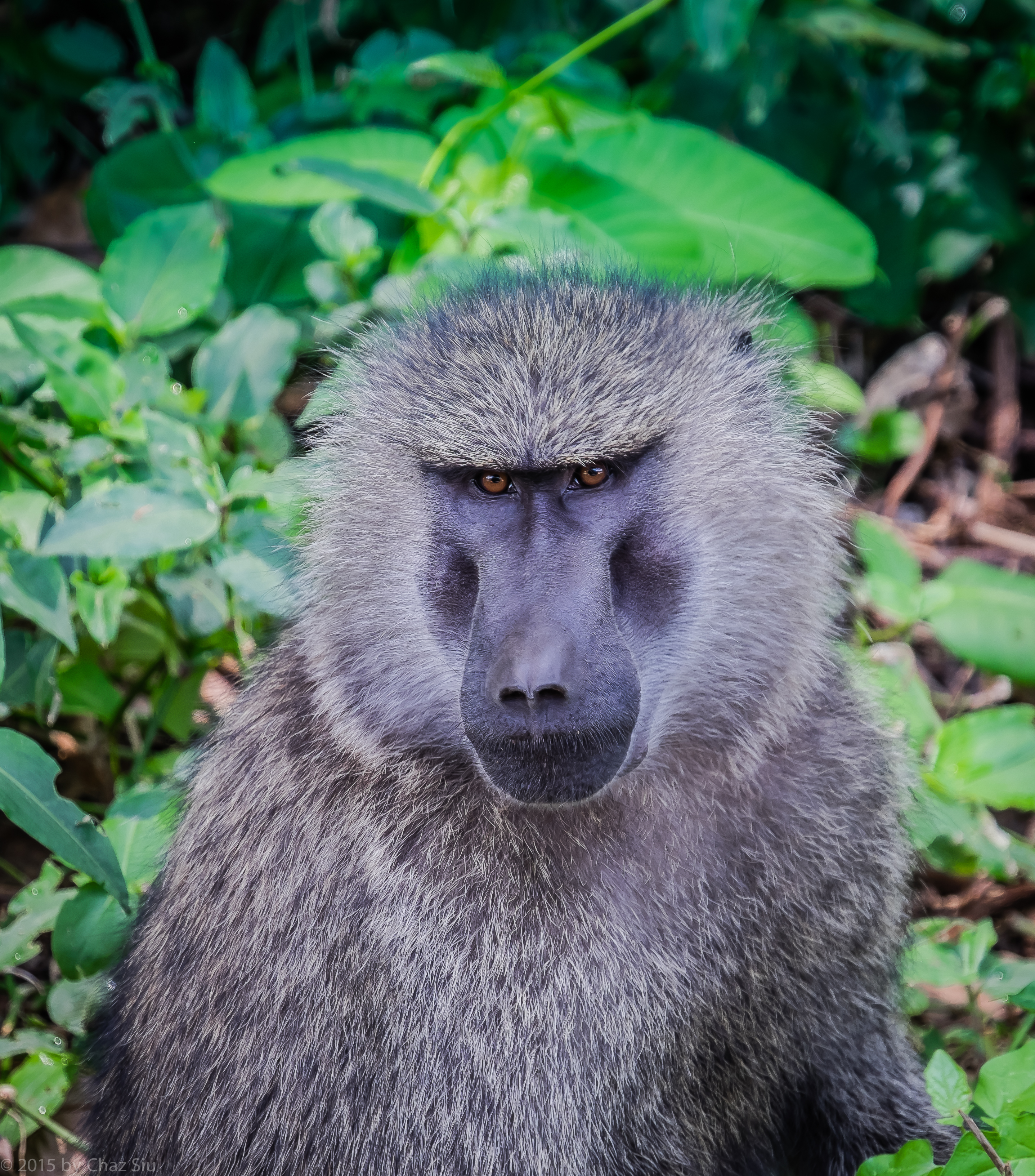
Lake Manyara Baboon
Lake Manyara Baboon
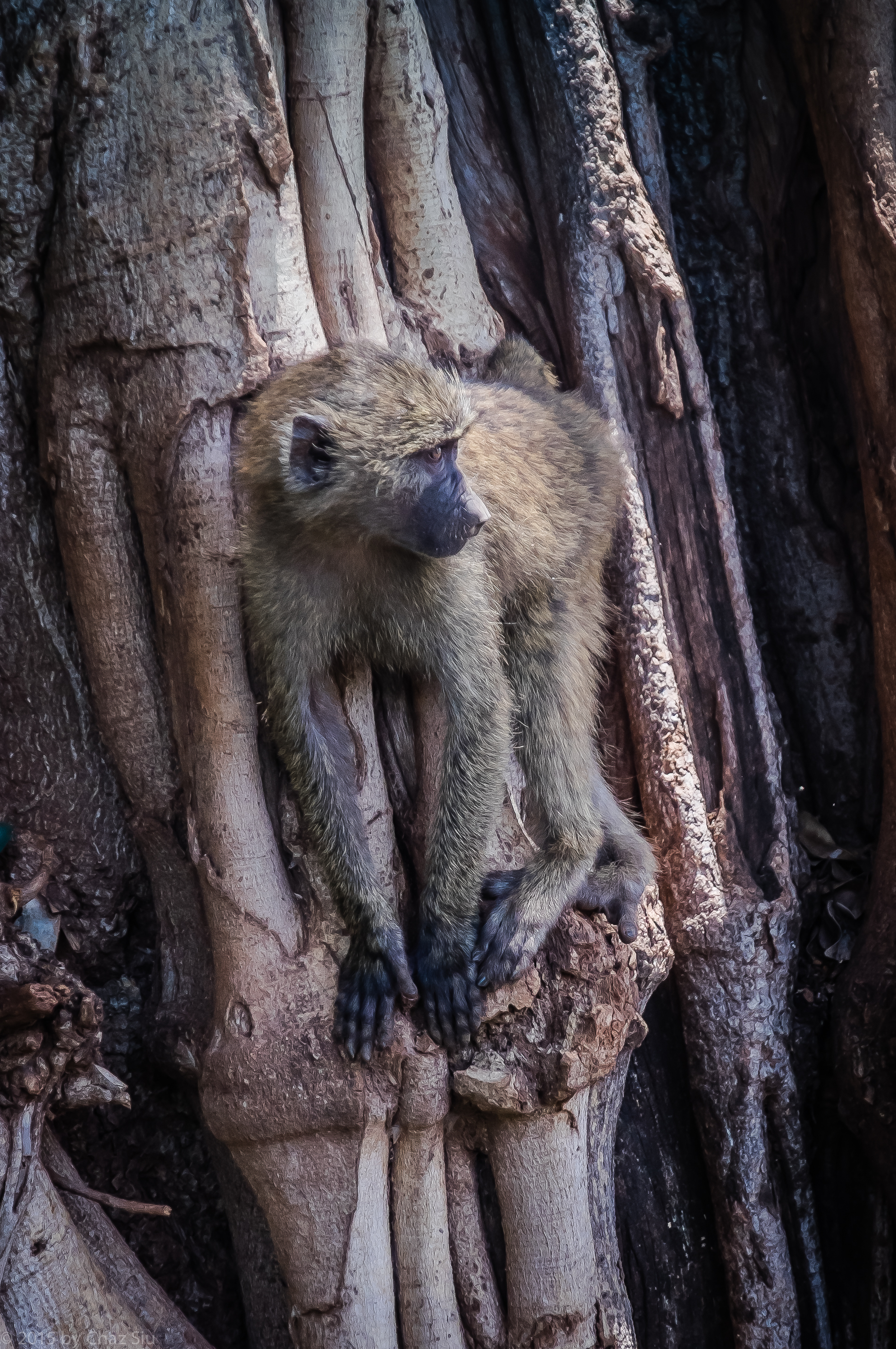
Lake Manyara Young Baboon  In Tree
Lake Manyara Young Baboon In Tree
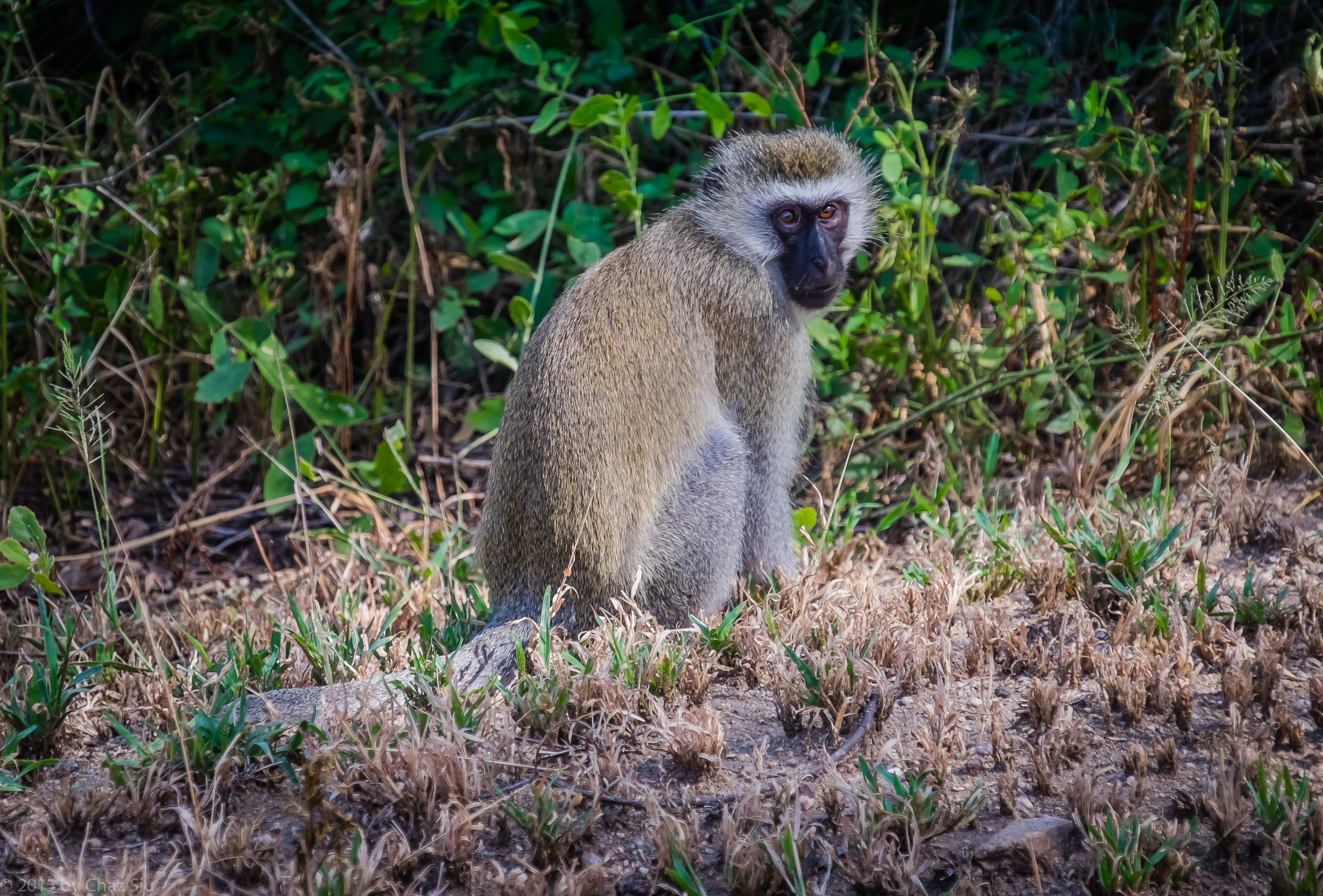
Lake Manyara Blue Monkey In The Grass
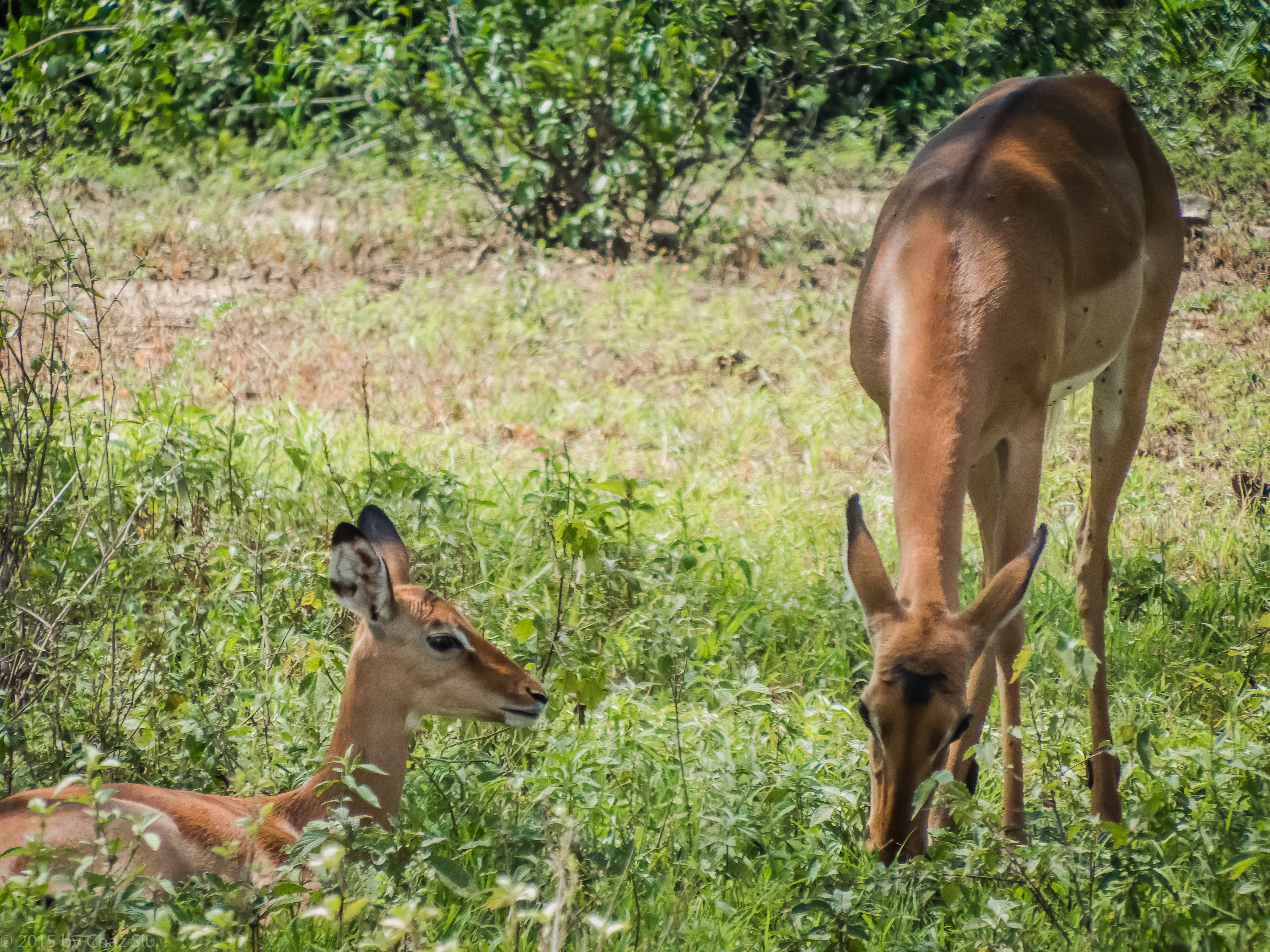
Lake Manyara Impala Mom and Baby
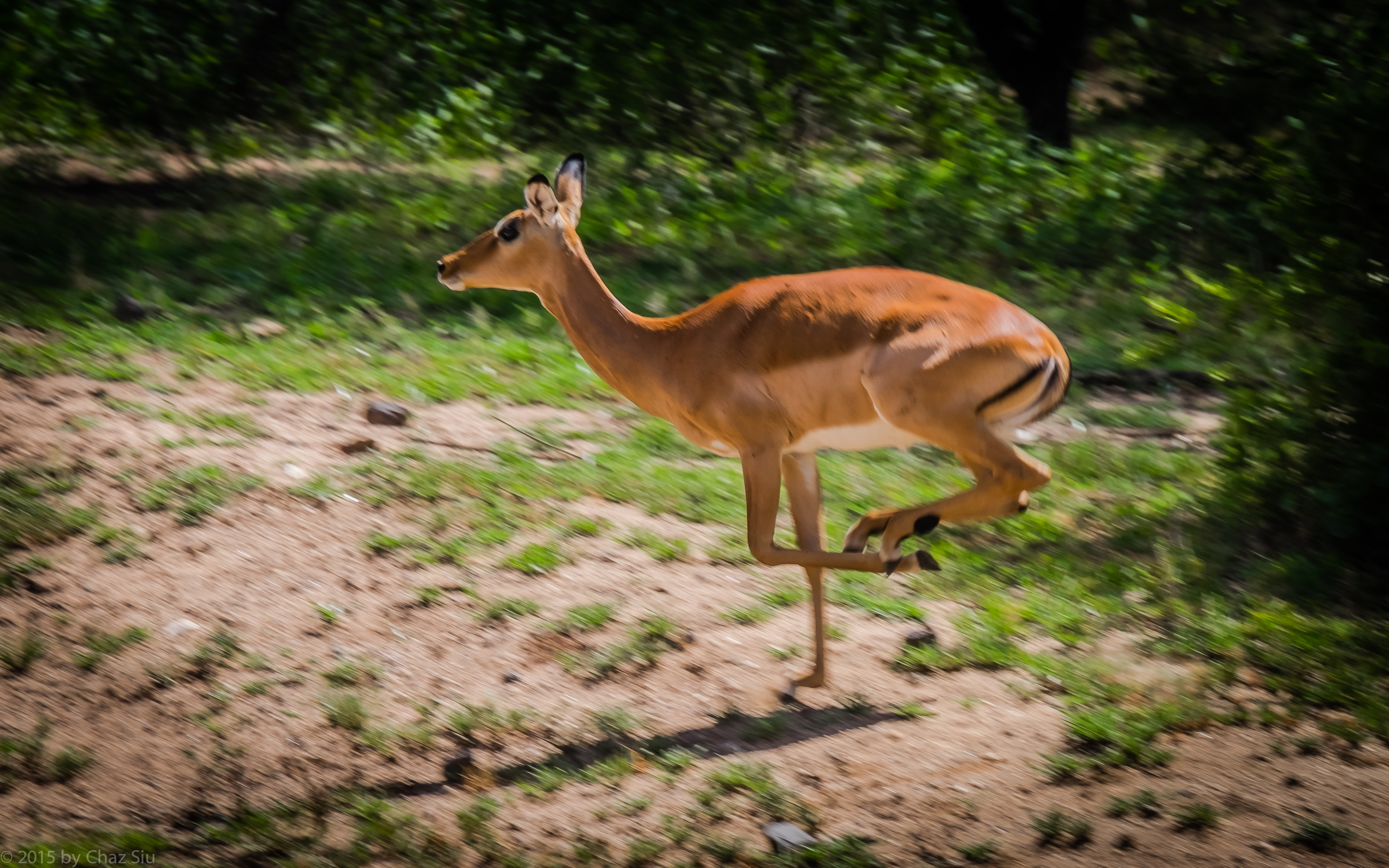
Lake Manyara Impala Sprint
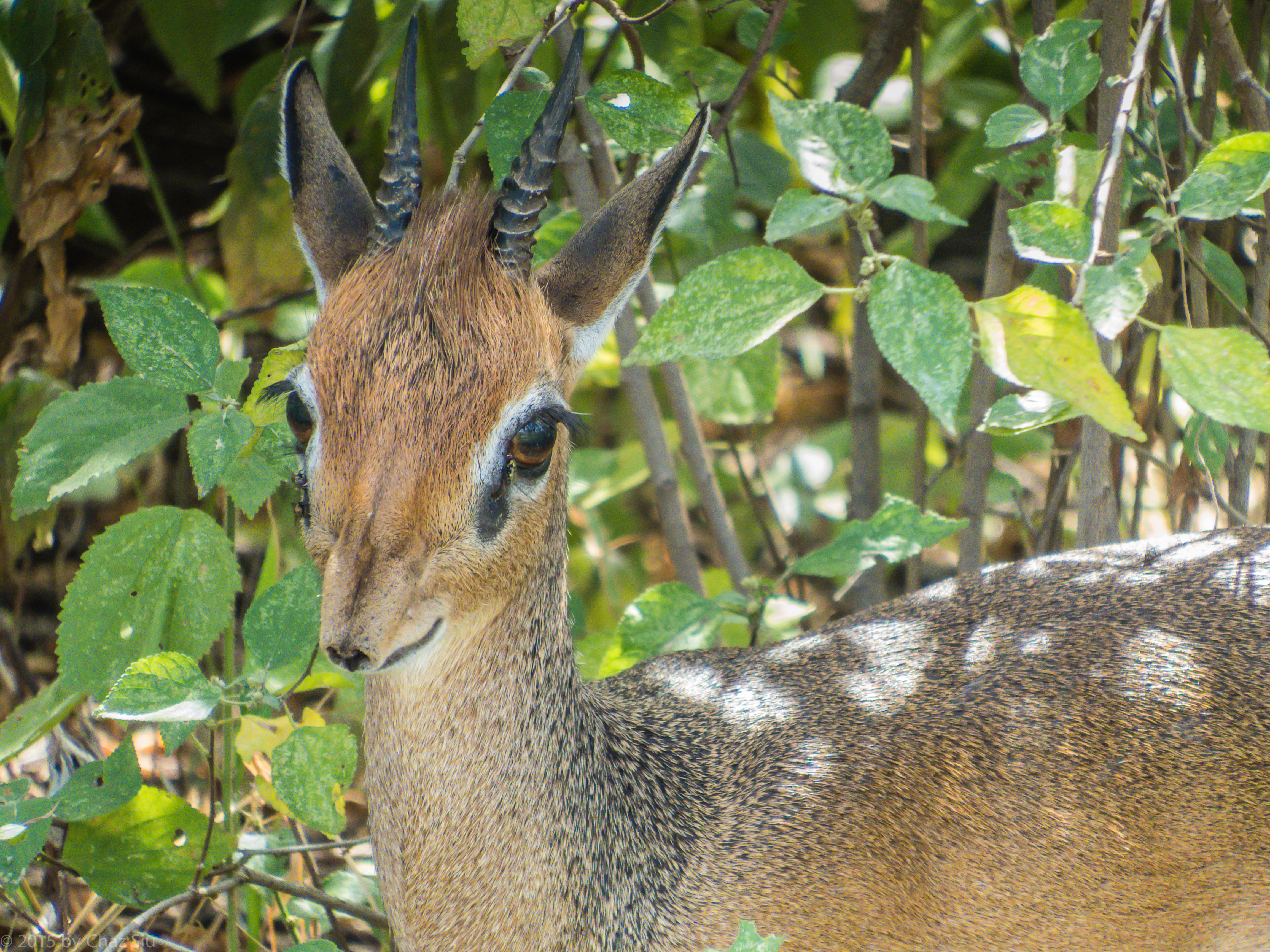
Lake Manyara Dik-dik (Tiny Little Fella)
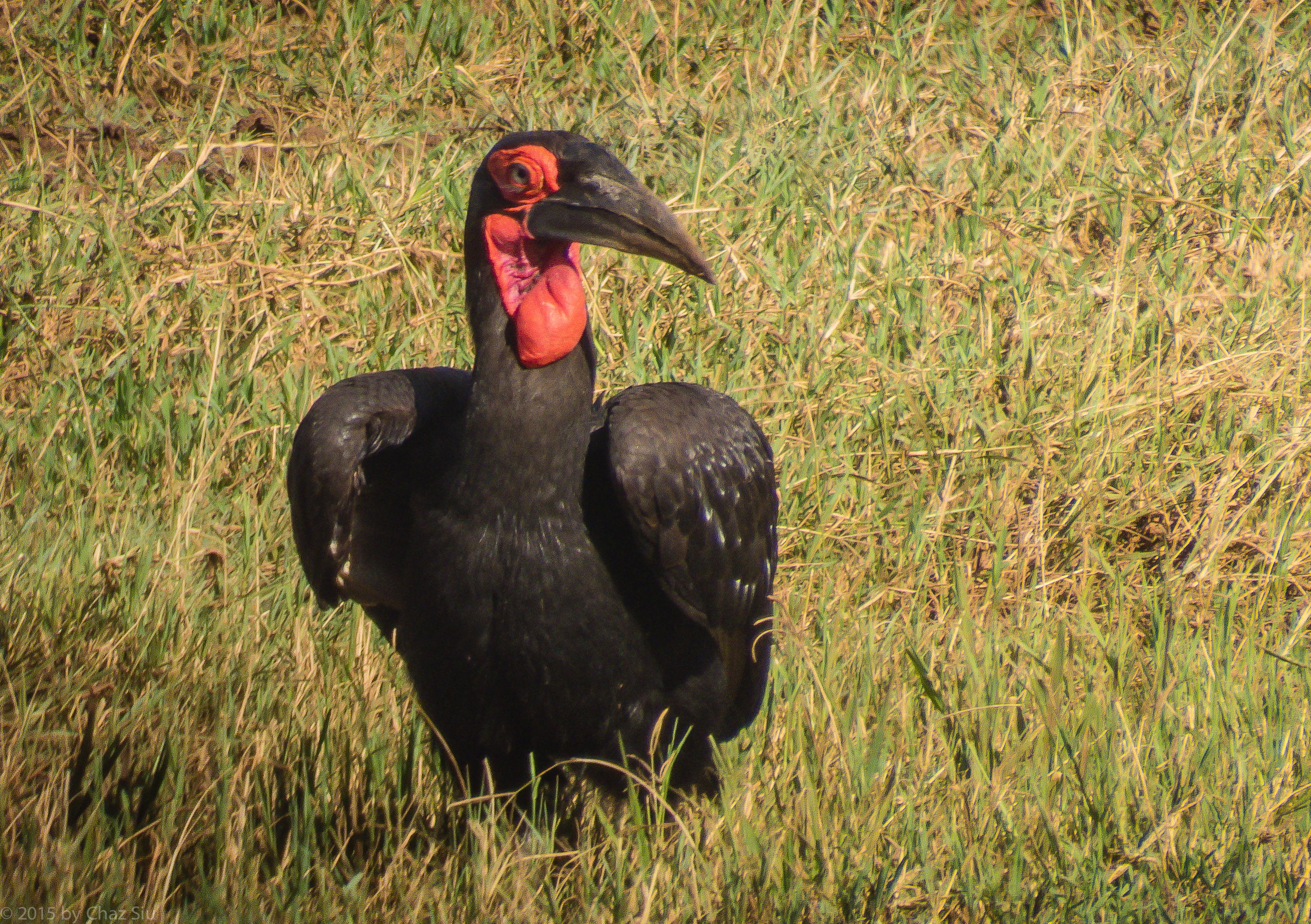
Lake Manyara Southern Ground Hornbill
Lake Manyara Warthog Power Trot
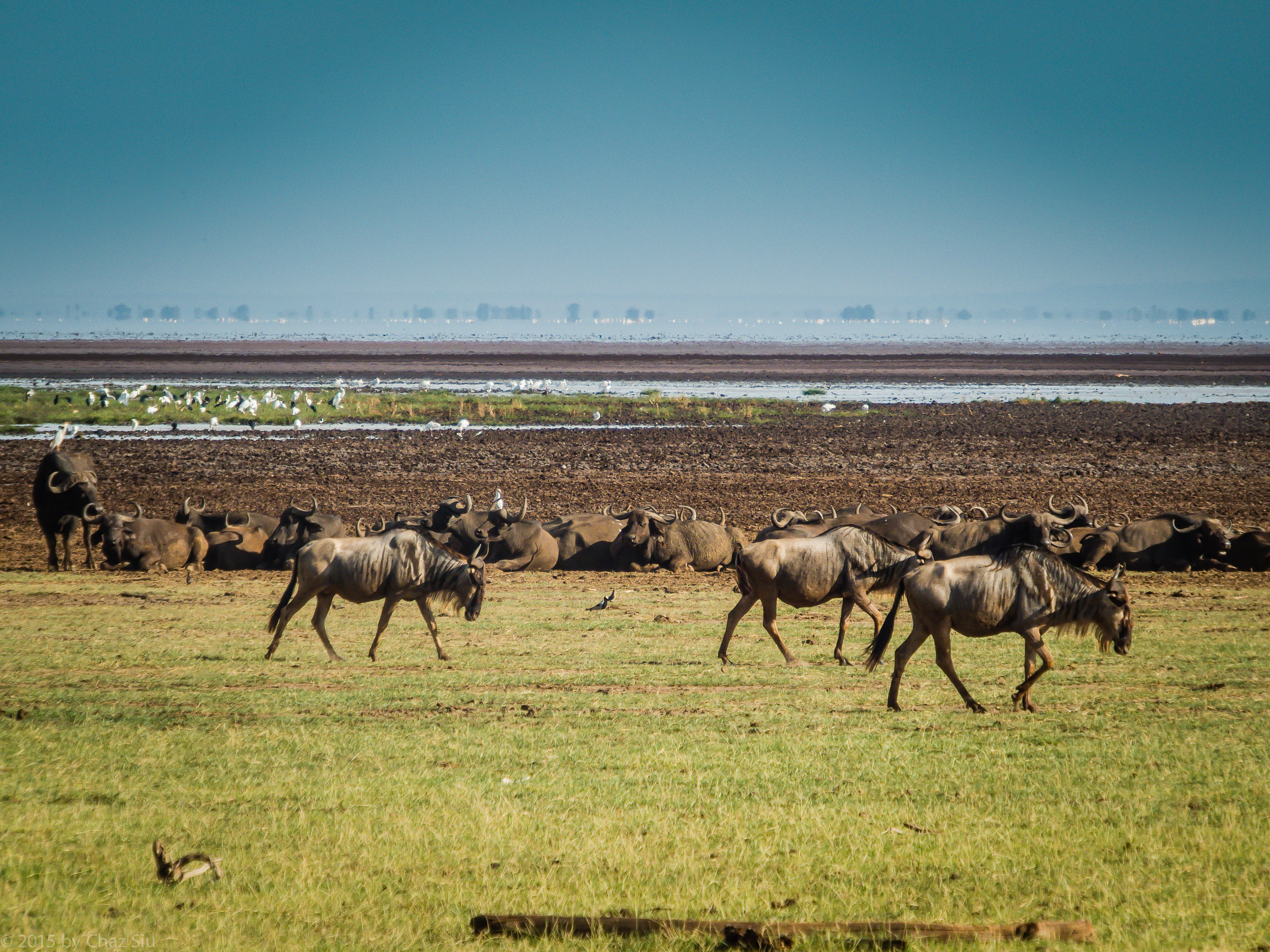
Wildebeests A-Plenty
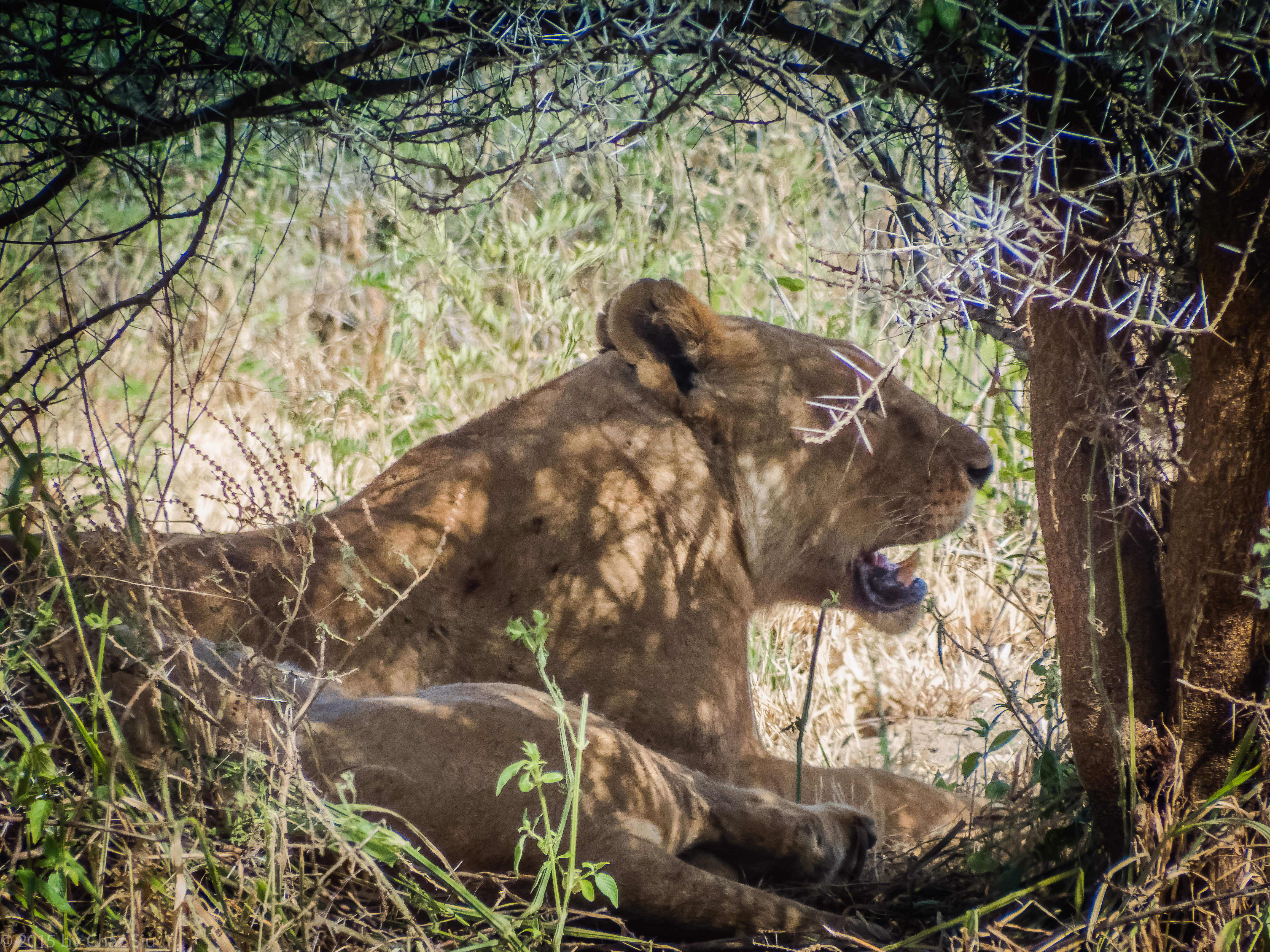
Lake Manyara Simba - Our First Sighting
Lake Manyara Simba – Our First Sighting
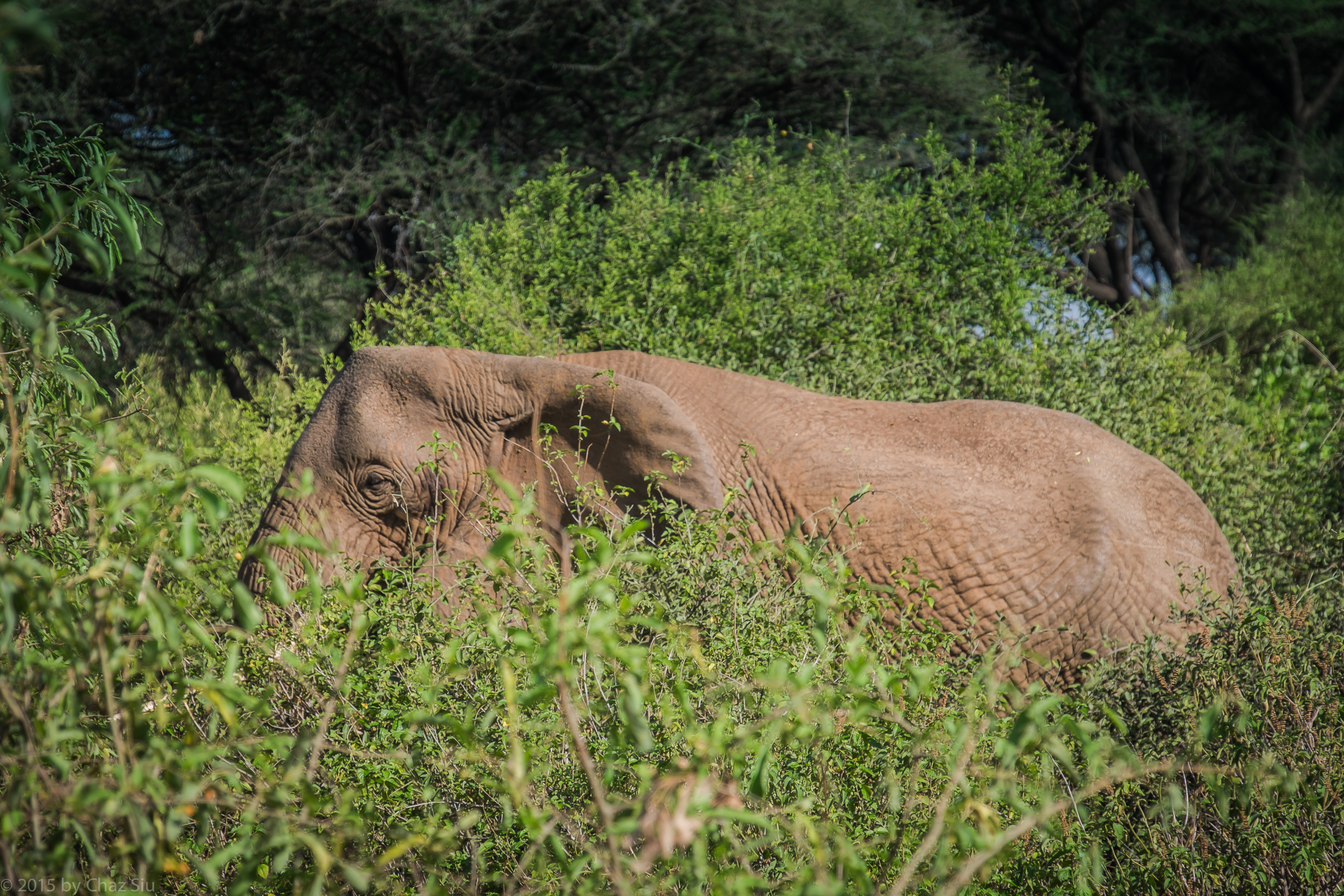
I'm Not The Elephant You're Looking For (1st One We Spotted)
I’m Not The Elephant You’re Looking For (1st One We Spotted)
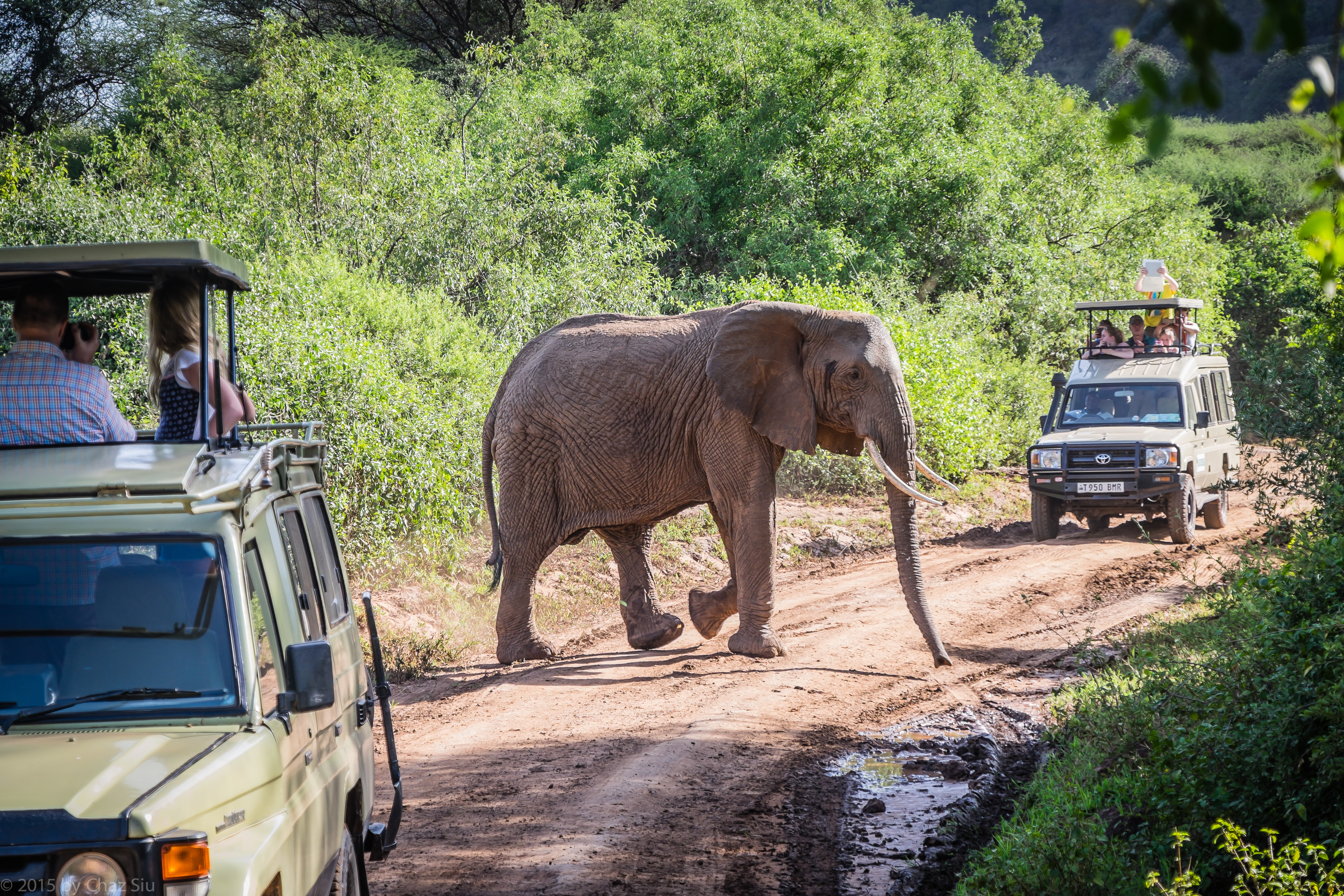
Junior Crosses The Road
Clouds Above Lake Manyara Cliffs
Dramatic Clouds On The Lake Manyara Cliffs
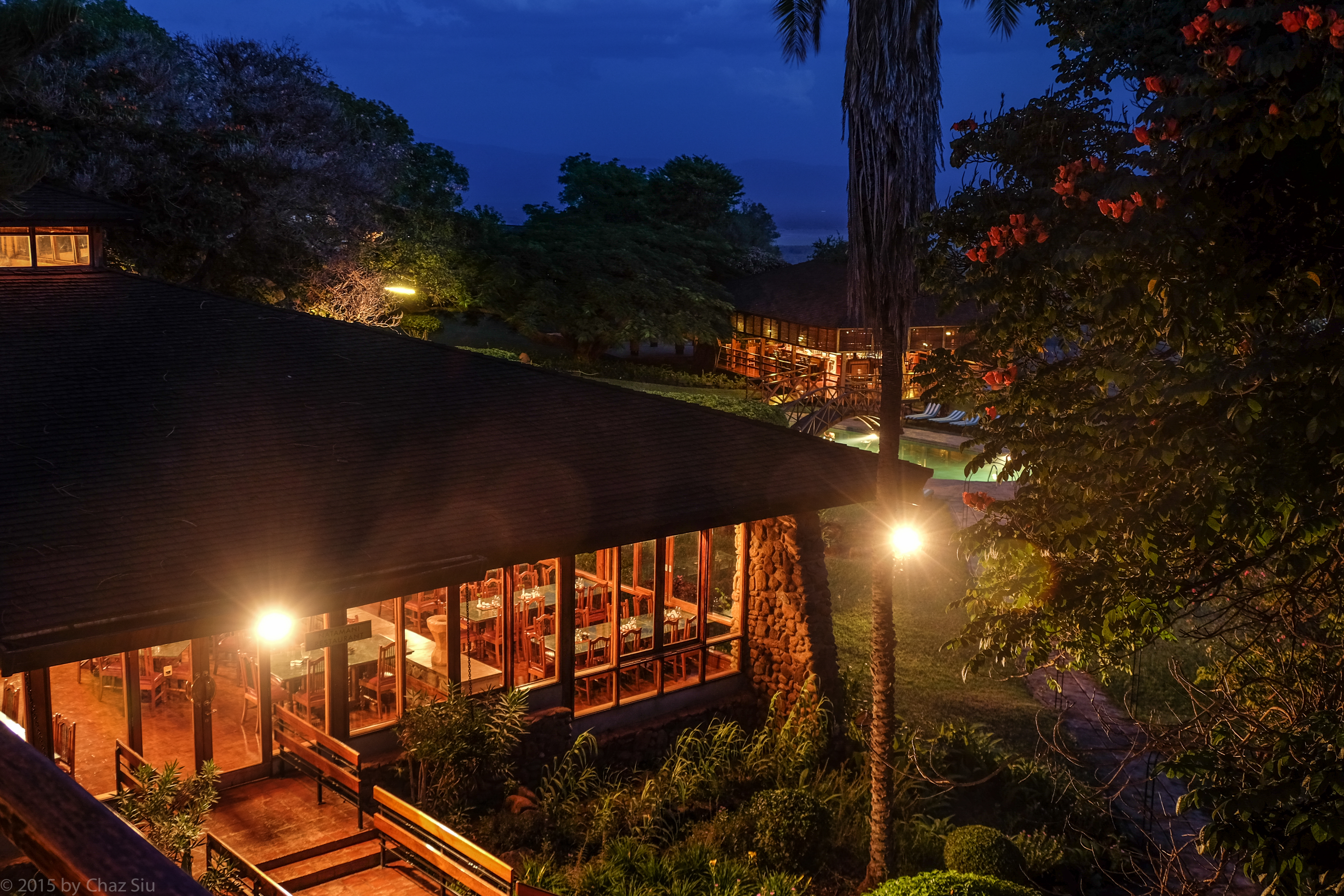
Lake Manyara Lodge Restaurant
Lake Manyara Lodge Restaurant – We Had The Place To Ourselves
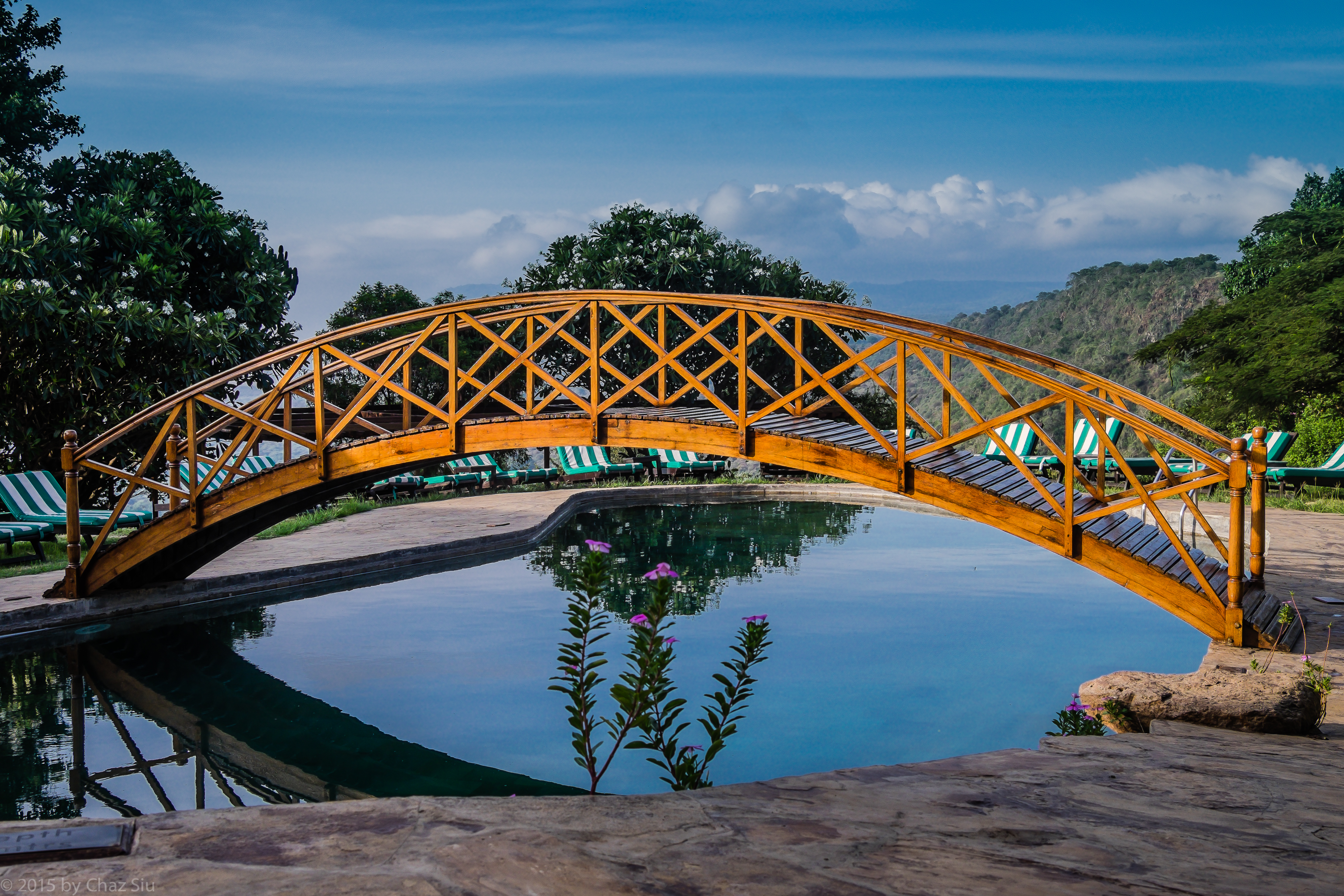
Lake Manyara Lodge Pool View
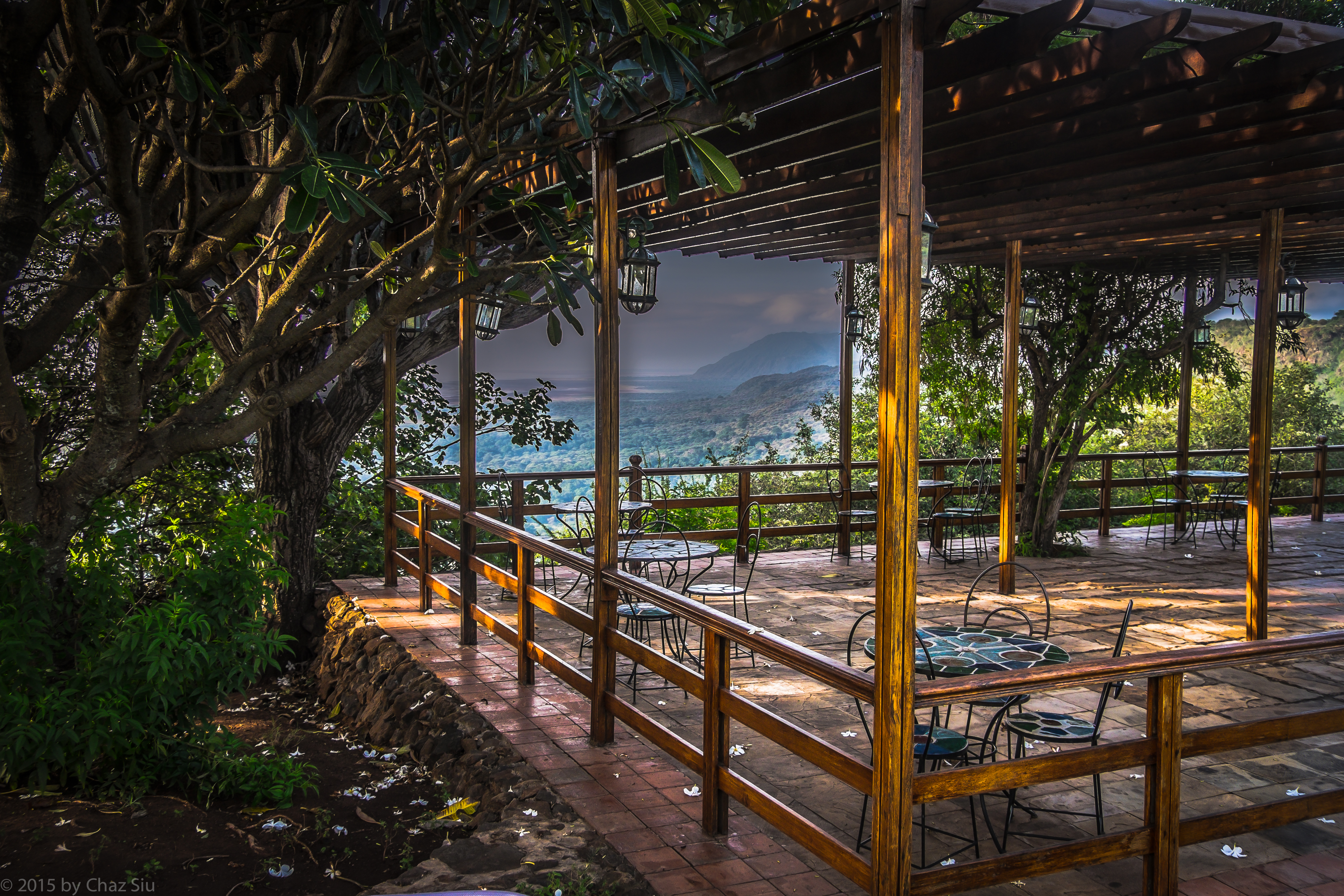
Lake Manyara Lodge Terrace View

SAFARI – We Meet Our First Wild Animals At Lake Manyara

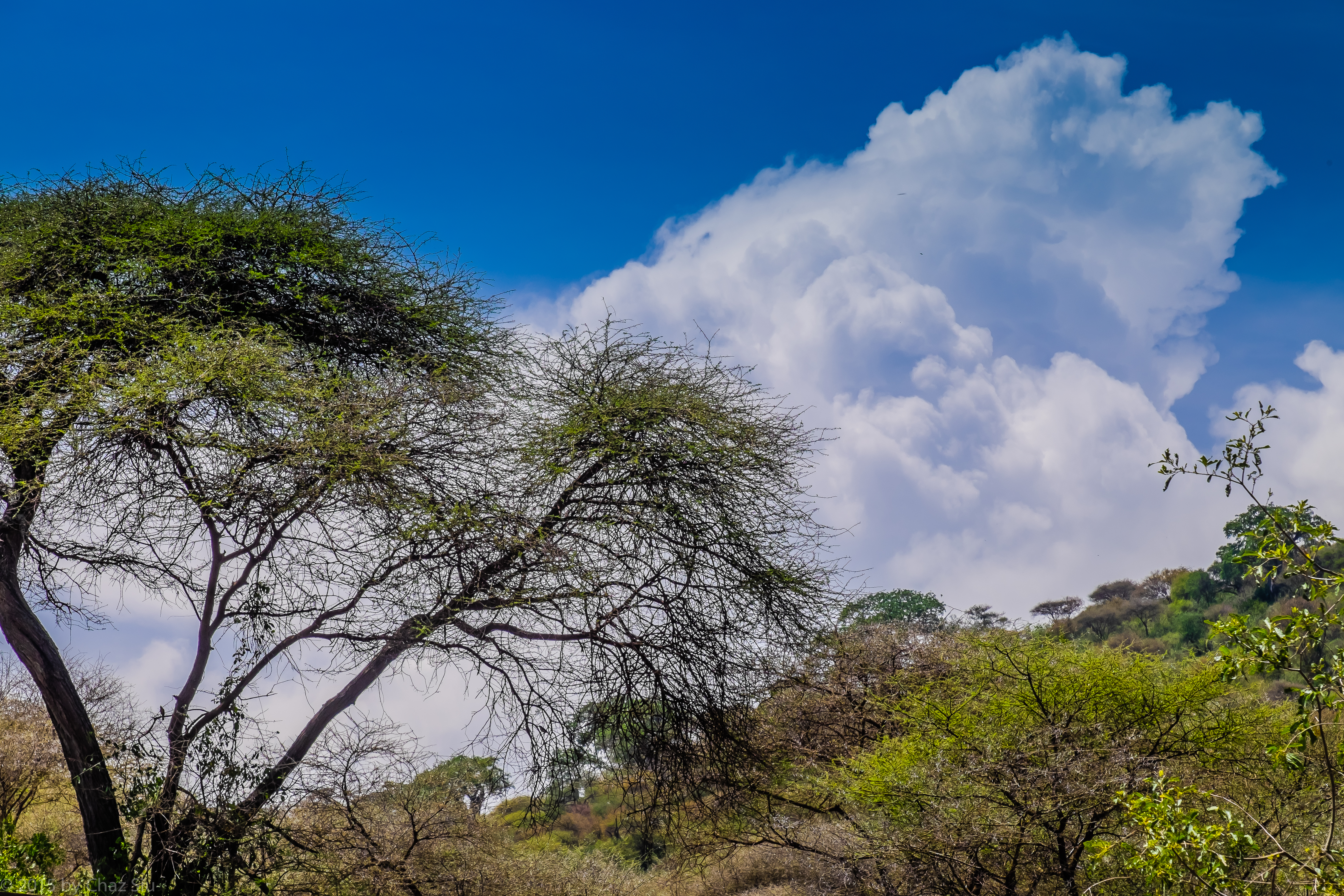
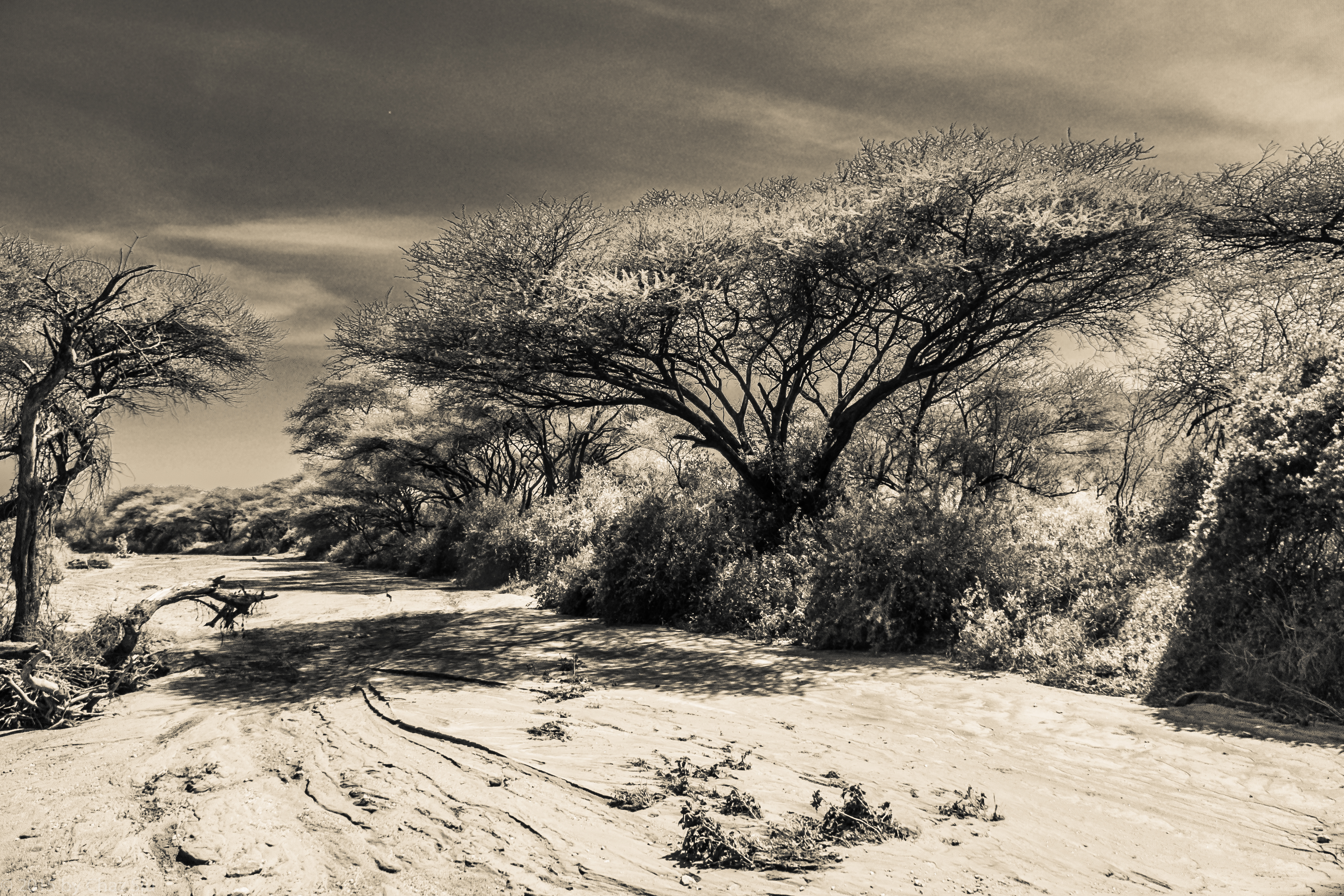
Lake Manyara Acacia Tree Over Riverbed

NOTE: After this initial safari post, I’ll try and keep the stories to a minimum and make the posts heavily image based, since we captured so many amazing images, they sorta speak for themselves (or through their captions).

  • After 9 days on Kilimanjaro with no shower and a limited change of clothing, Alex, Irina, Caryl and myself welcomed the idea of a 7 day safari standing in a Toyota Landcruiser, staying in lodges each night with–we hoped–warm water.  Tanzania doesn’t really do washers & dryers, so our first night back at Iboru Safari Lodge, we walked down the road and picked up an old fashioned bar of washing soap, which we split. I’ll simply say it was both a workout and a scary amount of dirt wrung from my clothing.
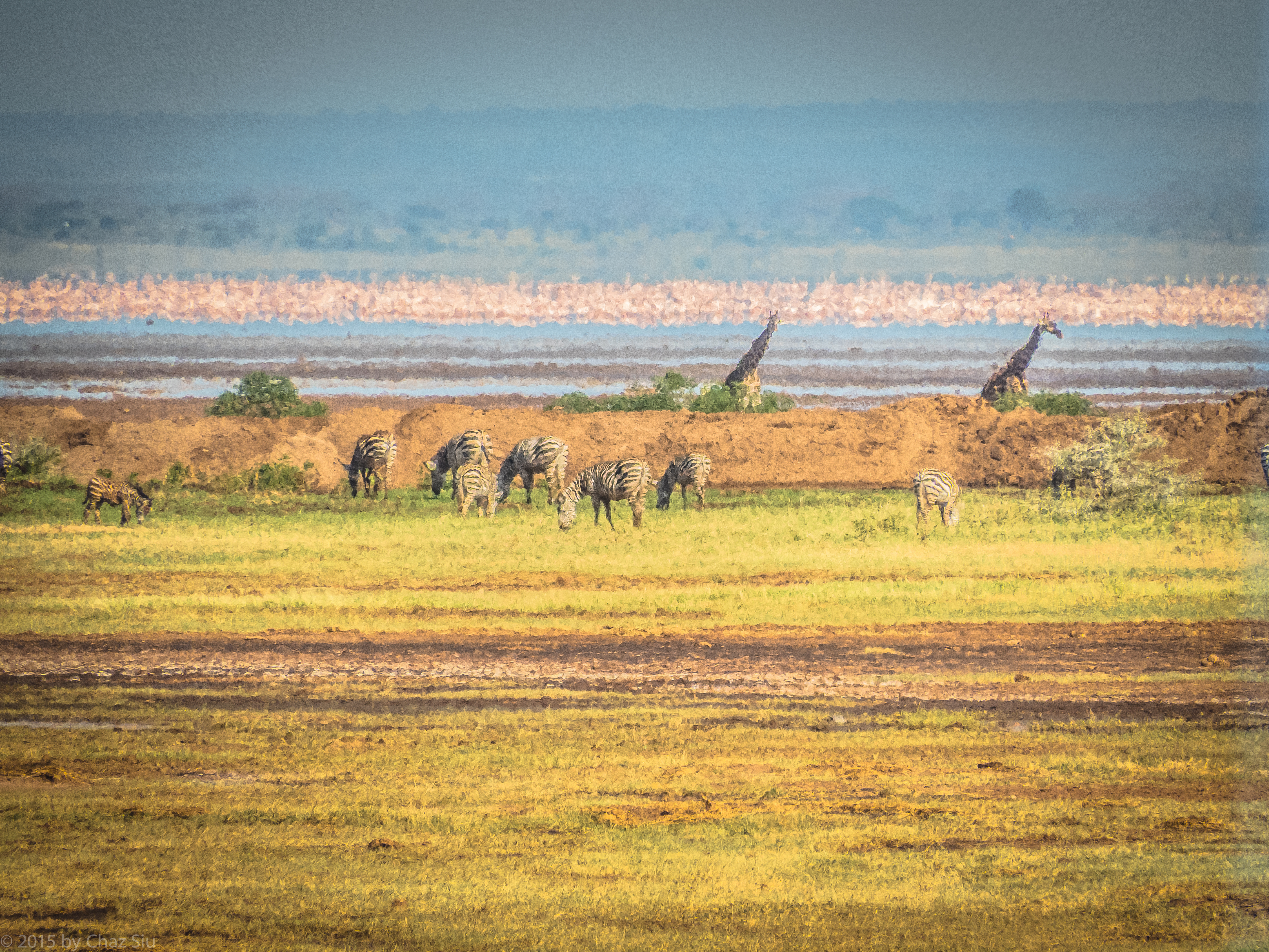
Flamingos, Giraffes, Zebra - Lake Manyara
Flamingos, Giraffes, Zebra – Lake Manyara. Flamingos are the sea of pink dots that make up the horizon.
  • We met our driver Julius Wenga (call me “Wenga”), a seasoned laid back fellow with a pleasant demeanor, packed our stuff into the 6 seat green Toyota Land Cruiser, and headed out of Arusha to Lake Manyara, the smallest of Tanzania’s national parks (40% of the country is protected reserve parkland).
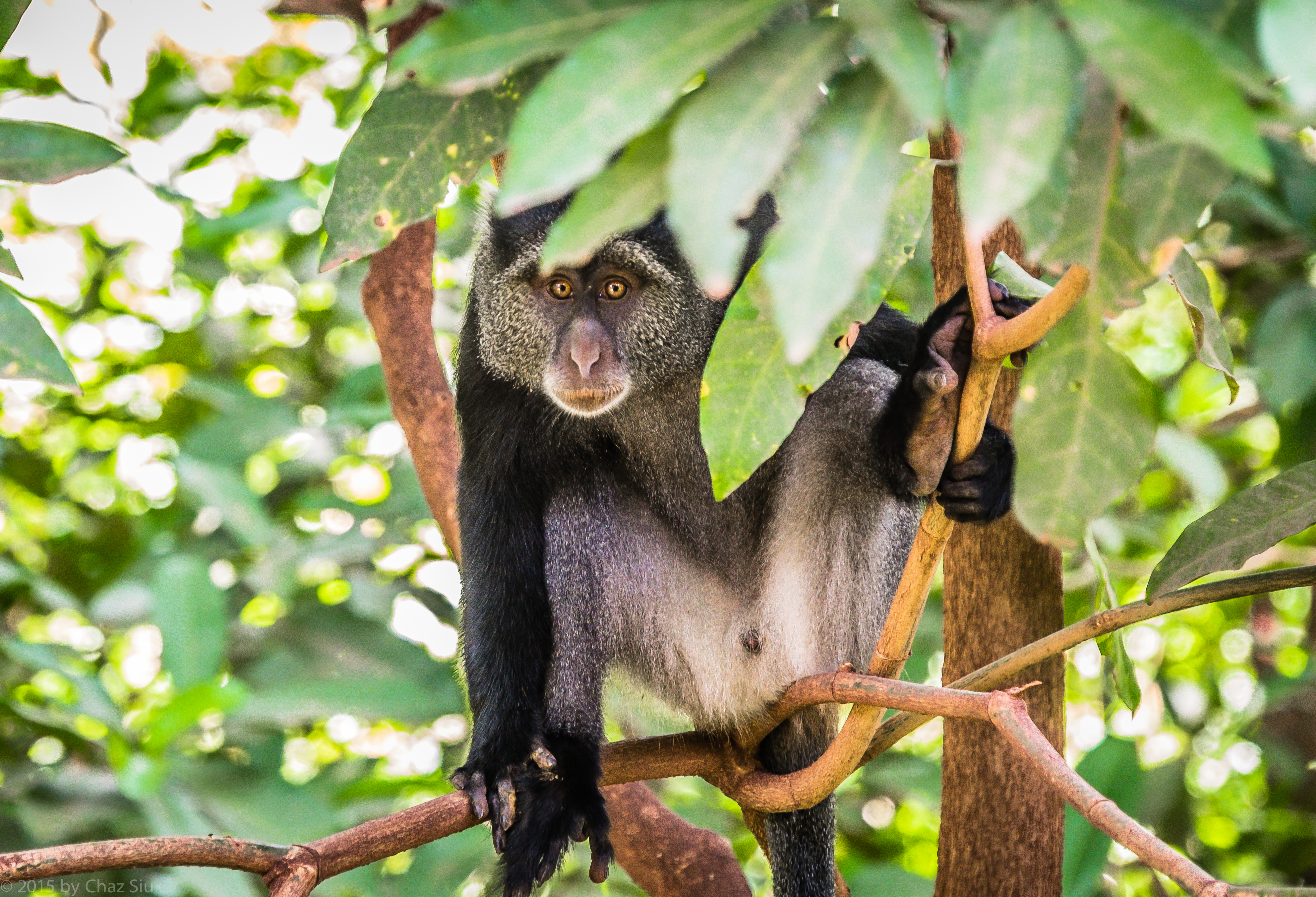
Lake Manyara Blue Monkey Can't Take His Eyes Off Of Us...or Vice Versa
Lake Manyara Blue Monkey Can’t Take His Eyes Off Of Us…or Vice Versa
  • Although we visited a Masai Village on the way to Lake Manyara, I’m saving that for another post. We drove for a couple hours out of Arusha, then started ascending. When we entered the park – we raised the roof, and stood up as we went pole pole–there it is again, the ubiquitous “slowly”–over a dirt road and plunged into the jungle, Irina had her binoculars, and the rest of us 3 were armed with cameras, eyes peeled. Today’s pictures are just a few of what we captured, and I’ll try & post a few each day with minimal story. Let’s just say every time we saw a new animal we’d ojnly seen in zoos before, we could barely contain our exceitement, except, as Wenga cautioned us, we had to, to avoid startling the animals. Some of the animals were indifferent and somewhat used to the many jeeps (baboons and monkeys in general), some would start running for the hills (gazelles), and some were far enough away to simply keep an eye on us and continue munching whatever they were munching. Regardless…birds, ungulates, insects, or all manners of flora and fauna..everything we saw was an exotic thrill.
    .
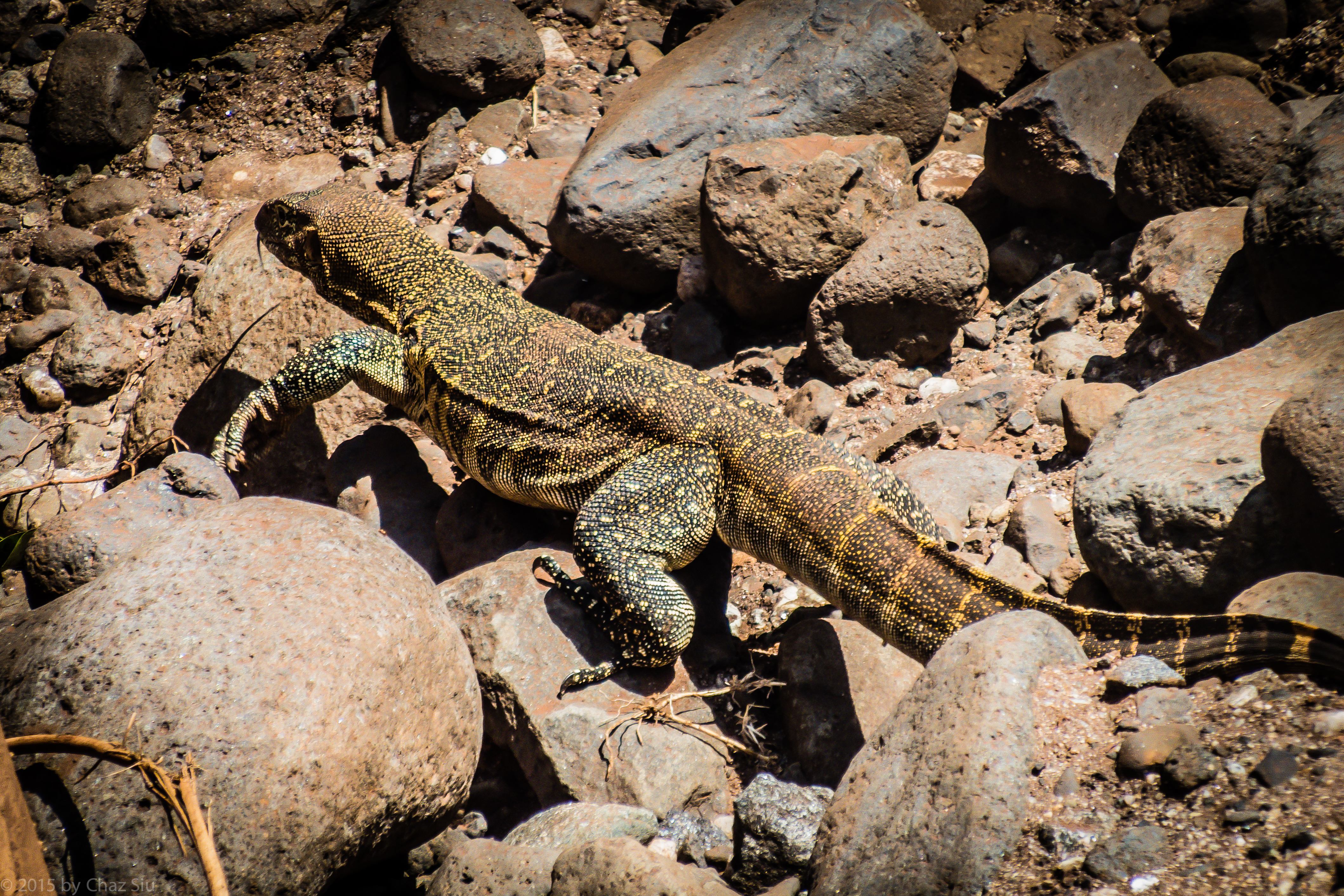
Lake Manyara Nile Monitor Lizard
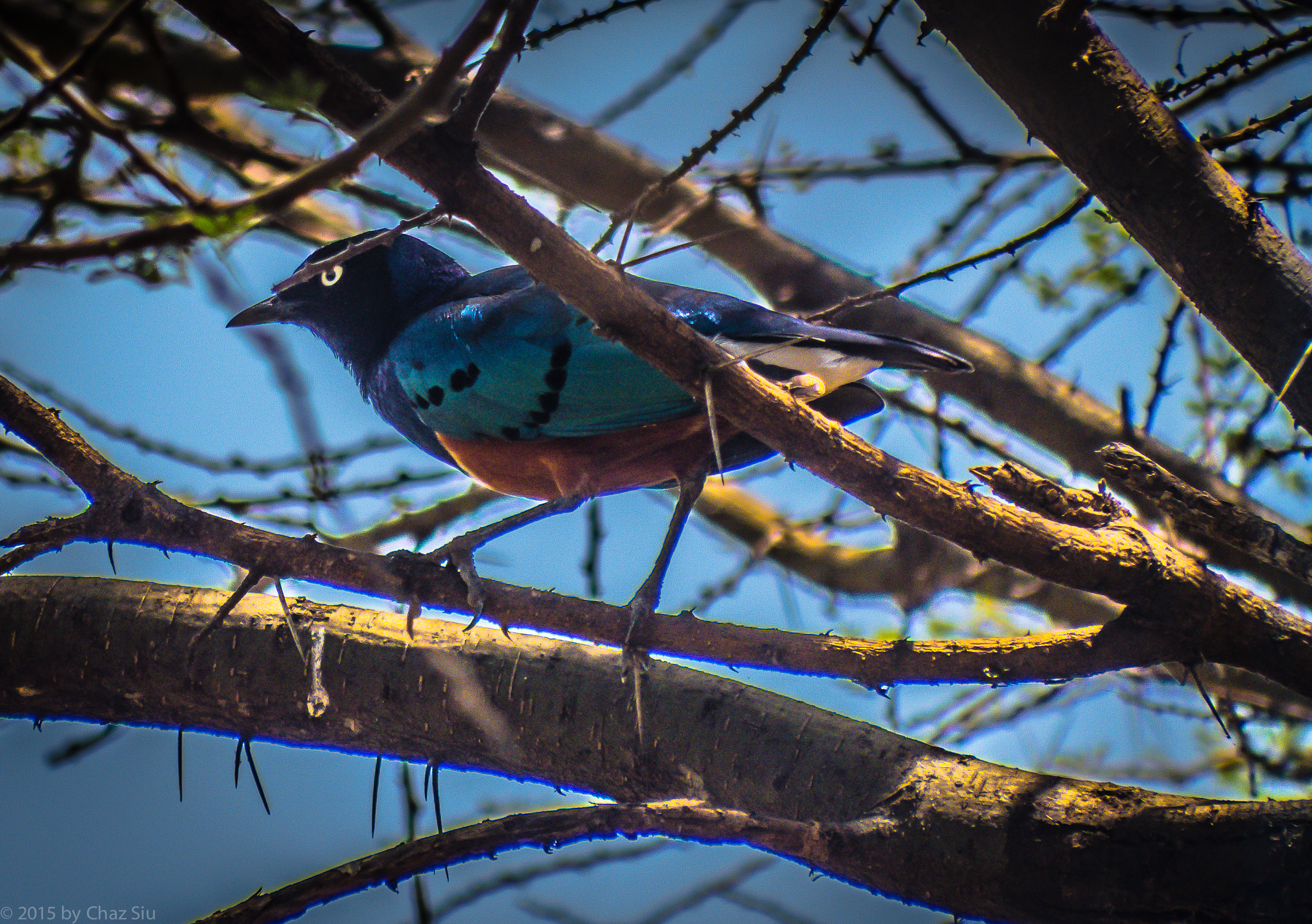
Lake Manyara Superb Starling
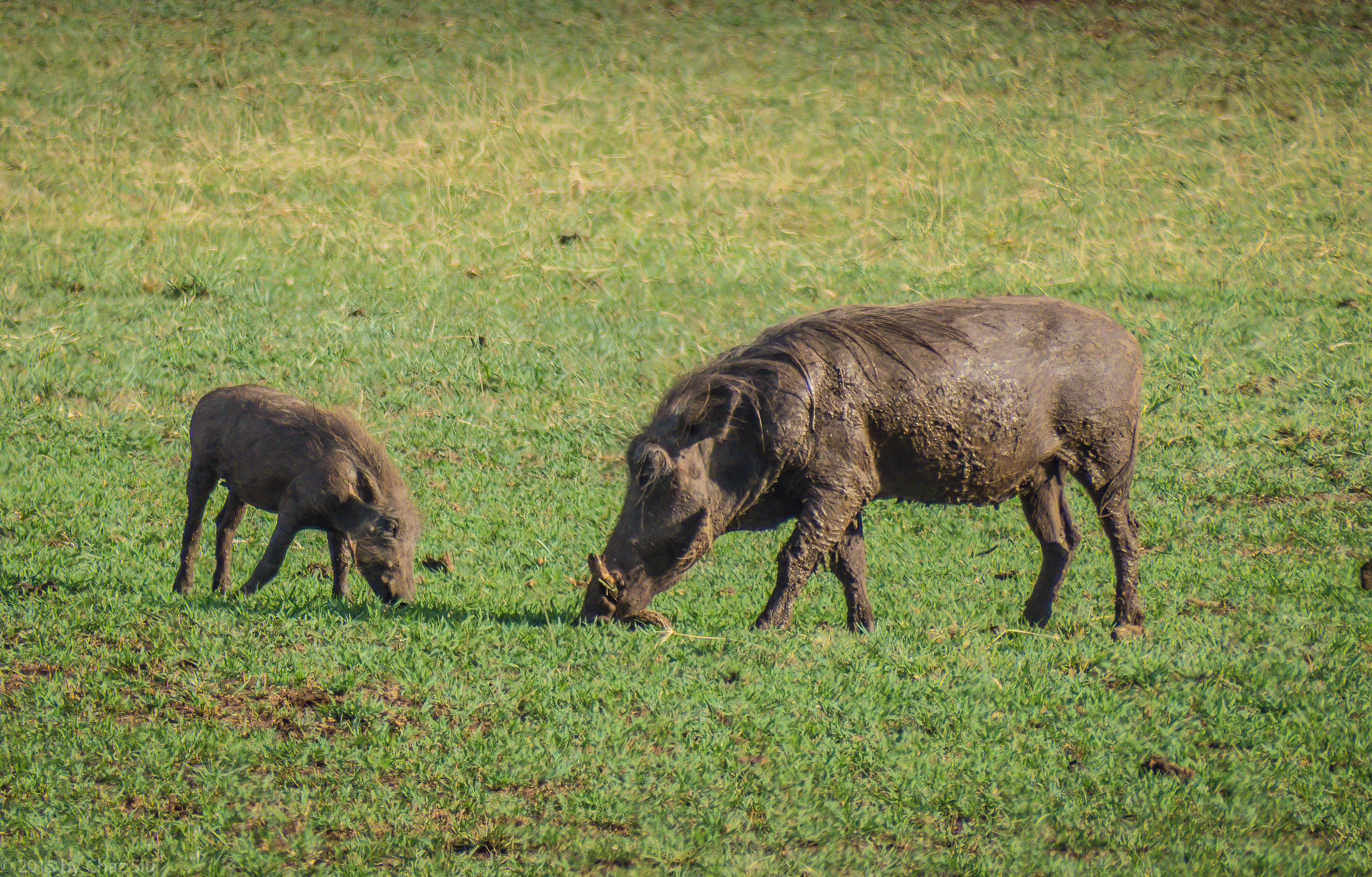
Hakuna Matata! Lake Manyara Warthog and Baby
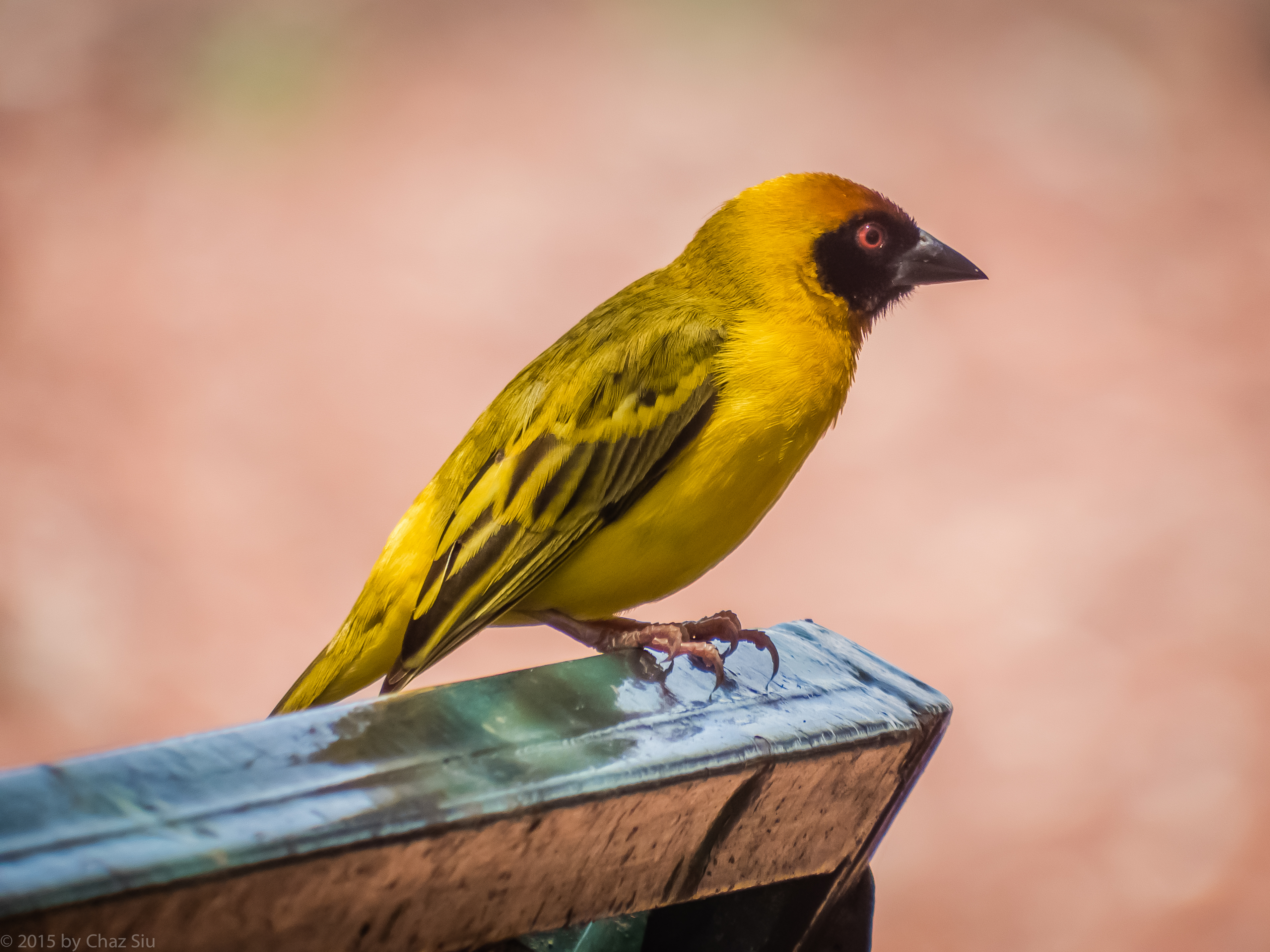
African Birds Were Amazing!  Lake Manyara Kilombero Weaver
African Birds Were Amazing! Lake Manyara Kilombero Weaver
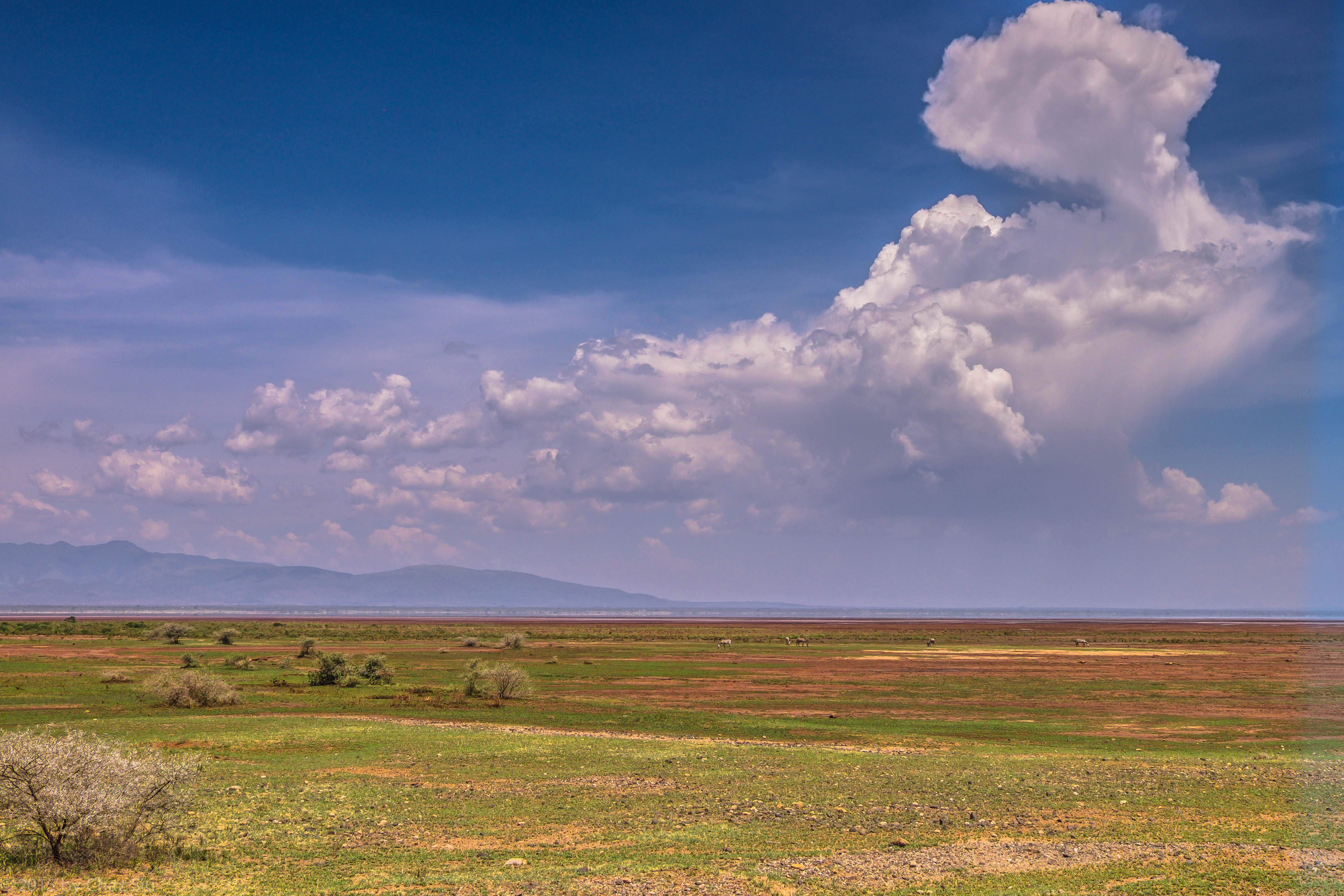
Clouds Above Lake Manyara Plain
Dramatic Landscapes Everywhere We Looked: Clouds Above Lake Manyara Plain

Kilimanjaro Day 8-9: Summit Time Is Glacier Time, Earth Curvature, Journey’s End

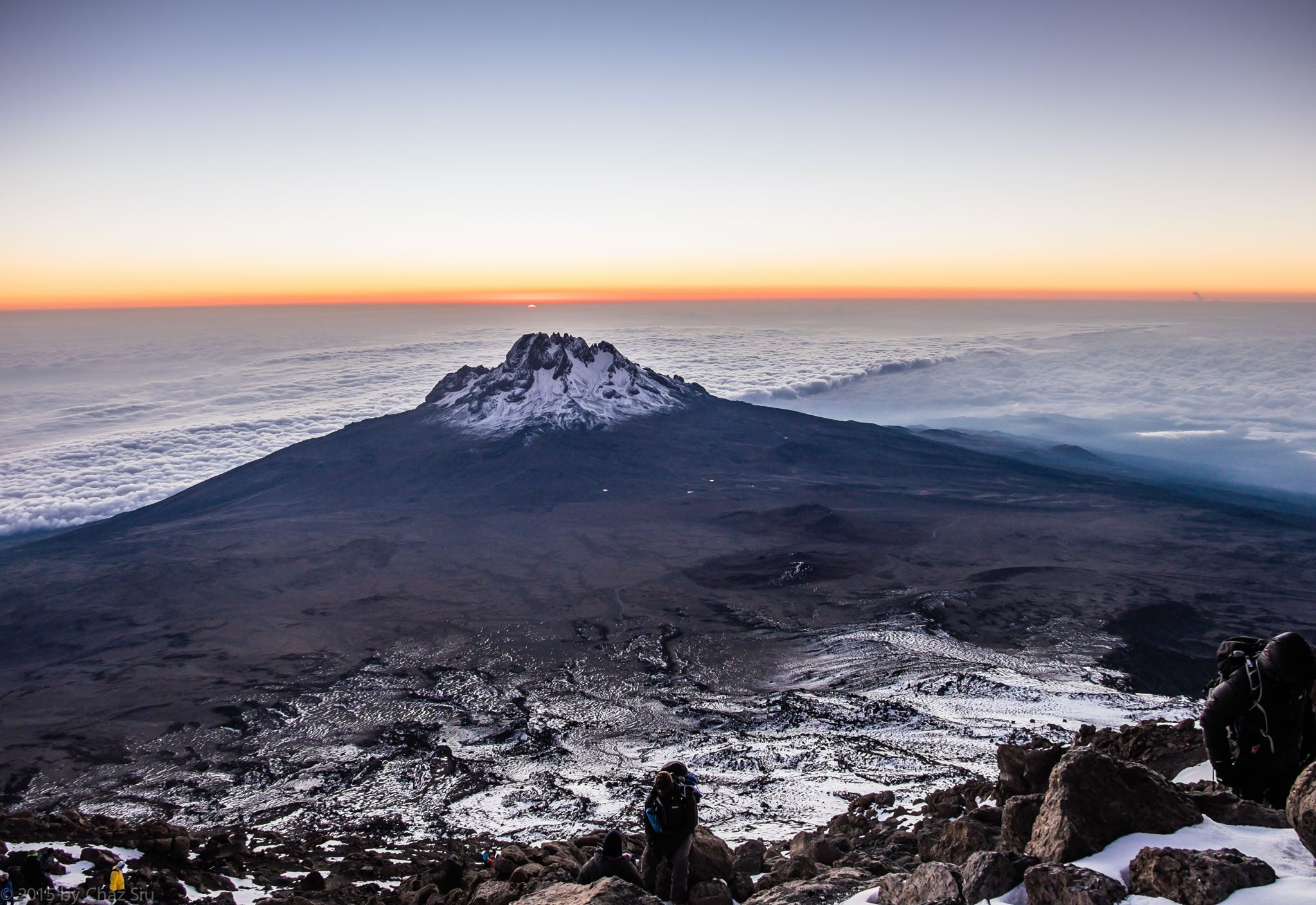
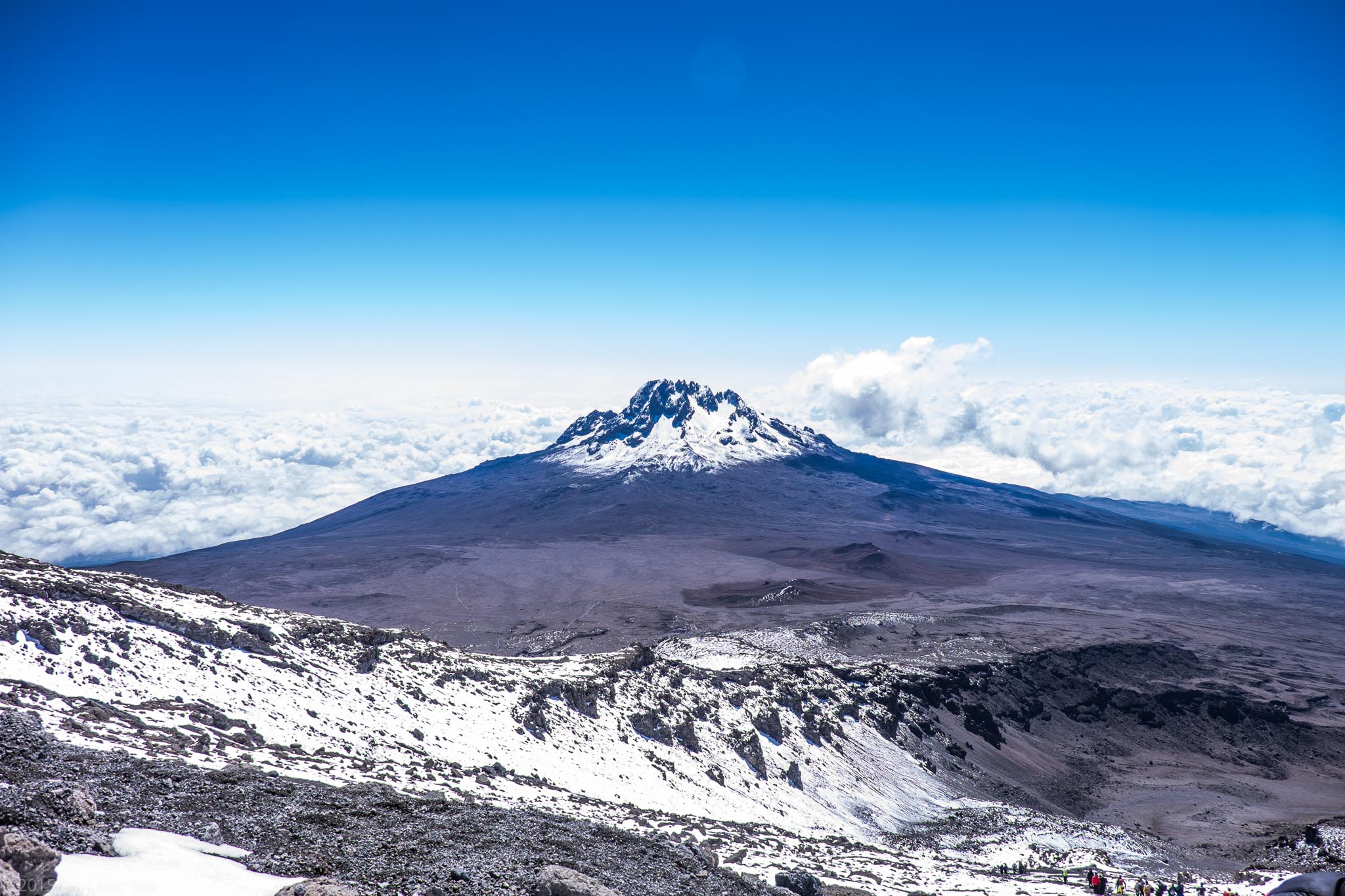
The Earth is Curved..6:30am Crater Rim Sunrise With Mawenzi and Clouds Below Us

THE ADVENTURE ENDS – DAY 8-9 HIGHLIGHTS

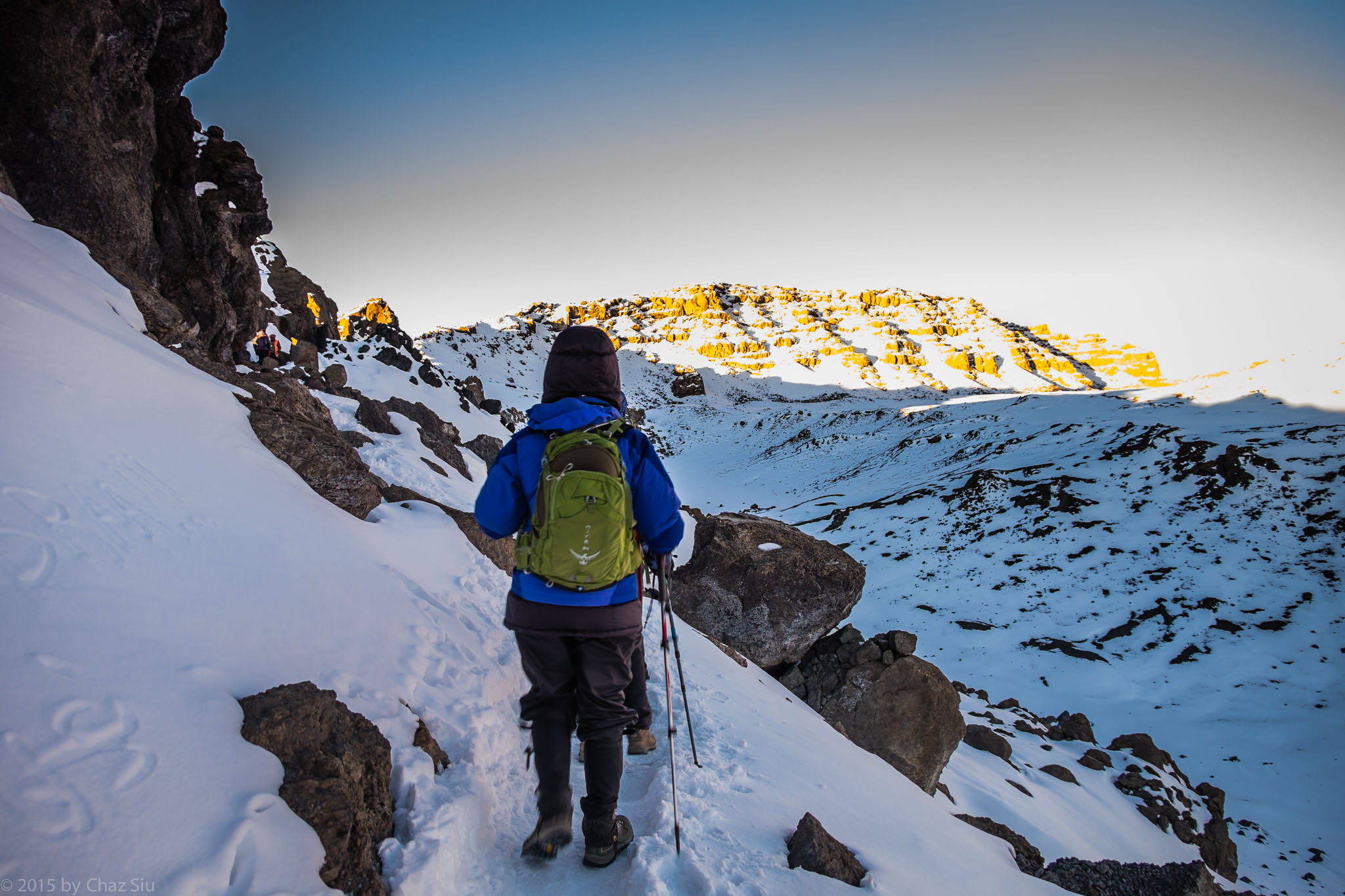
    • We woke up at 11pm, mist overhead obscuring the sky, but the temperature wasn’t bad at all as we put on our many layers. I actually opted out of a rain jacket layer, as I knew fleece would have me sweating hard with a big down jacket on the outside, particularly as we were about to make a 3000 foot vertical ascent straight up to the crater rim. We got our water filled, filled warm water bottles in case our Camelbak hoses froze (they did),  grabbed snacks of chocolate bars and ginger cookies, and said relatively little as we sat in the mess tent, eating our oatmeal porridge and drinking black tea and coffee. I was lucky, as I’d managed to get a solid 4 hrs of uninterrupted sleep since dinner, and I felt pretty good. At last, JT lined up the guides in front of and behind us, with instructions for us not to work too hard – just pole pole up the mountain. We flipped on oiur headlamps and started up through the boulders slowly trudging along in the loose scree…so it began.


    • There were waypoints here and there, and the crowd headed for the summit was a zigzag twinkly of fireflies as high as we could see. We mainly listened to the sounds of the guides as they sang and called to each other in Swahili – figuring out if one team should pass another — this was, after all, more or less a single track path upwards.  When we stopped for rest, Said, Viviano, Halid or JT, would open our packs for us and pull out snacks…allowing us to expend as little effort as possible as the air grew thinner.  At length the group split up, with Rhys, Kitt, and Cort going ahead with Said, while the remainder of us moved a little slower.


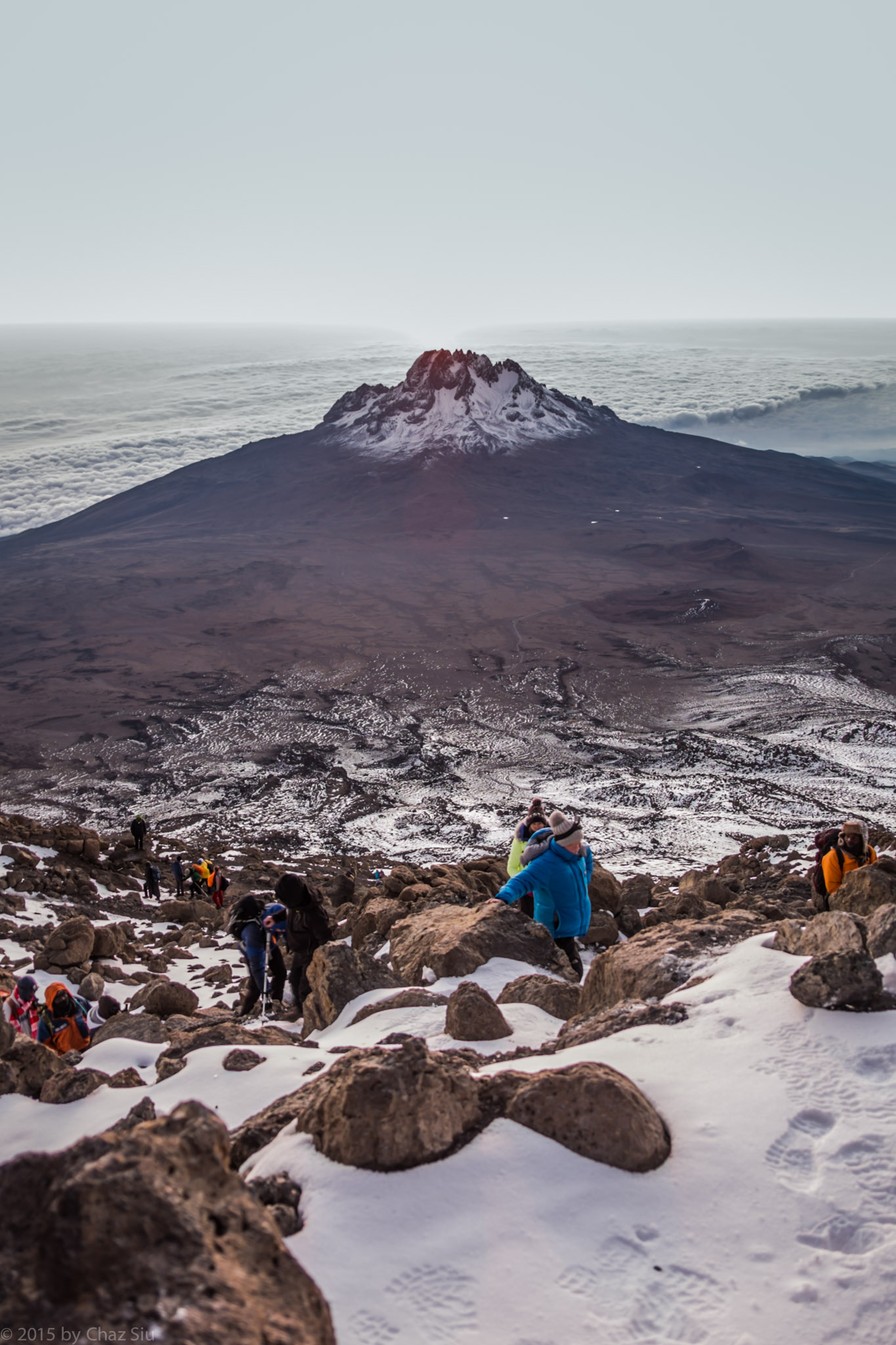
  • The final 200 yards was a vertical boulder scramble that seemed like it took forever, with the crater rim in sight, the sounds of excited voices above. Since it was a slog with a train of people, we finally turned and saw the great orangle globe emerging from the clouds, Mawenzi far below us — looking almost small, and the horizon with a slight curve to it..the earth really is round!
Sunrise Behind Mawenzi, From Gilman's Point
Sunrise Behind Mawenzi, From Gilman’s Point
  • CRATER RIM REACHED! We crawled out of the rocks into the middle of a crowd of jubilant summiteers, all gathered round at Gilman’s Point. My body was exhausted, but had no altitude issues at all – it felt like i was breathing normal. Alex, Caryl, and Paul were in great shape, while Irina was having a tough time getting air. We snapped pictures quickly and then started around the crater rim towards Stella’s Point.
Crater Rim Morning At Gilman's Point, 18, 650 ft
Crater Rim Morning At Gilman’s Point, 18, 650 ft
Boulder Scrambling Up The Final 200 Yards Through Lava Rocks
Busting Up The Final 200 Yards To The Crater RIm Through Lava Rocks
Crater Rim Hike To Stella Point
Team At Stella Point, Elevation  18, 800 feet.
Team At Stella Point, Elevation 18, 800 feet.
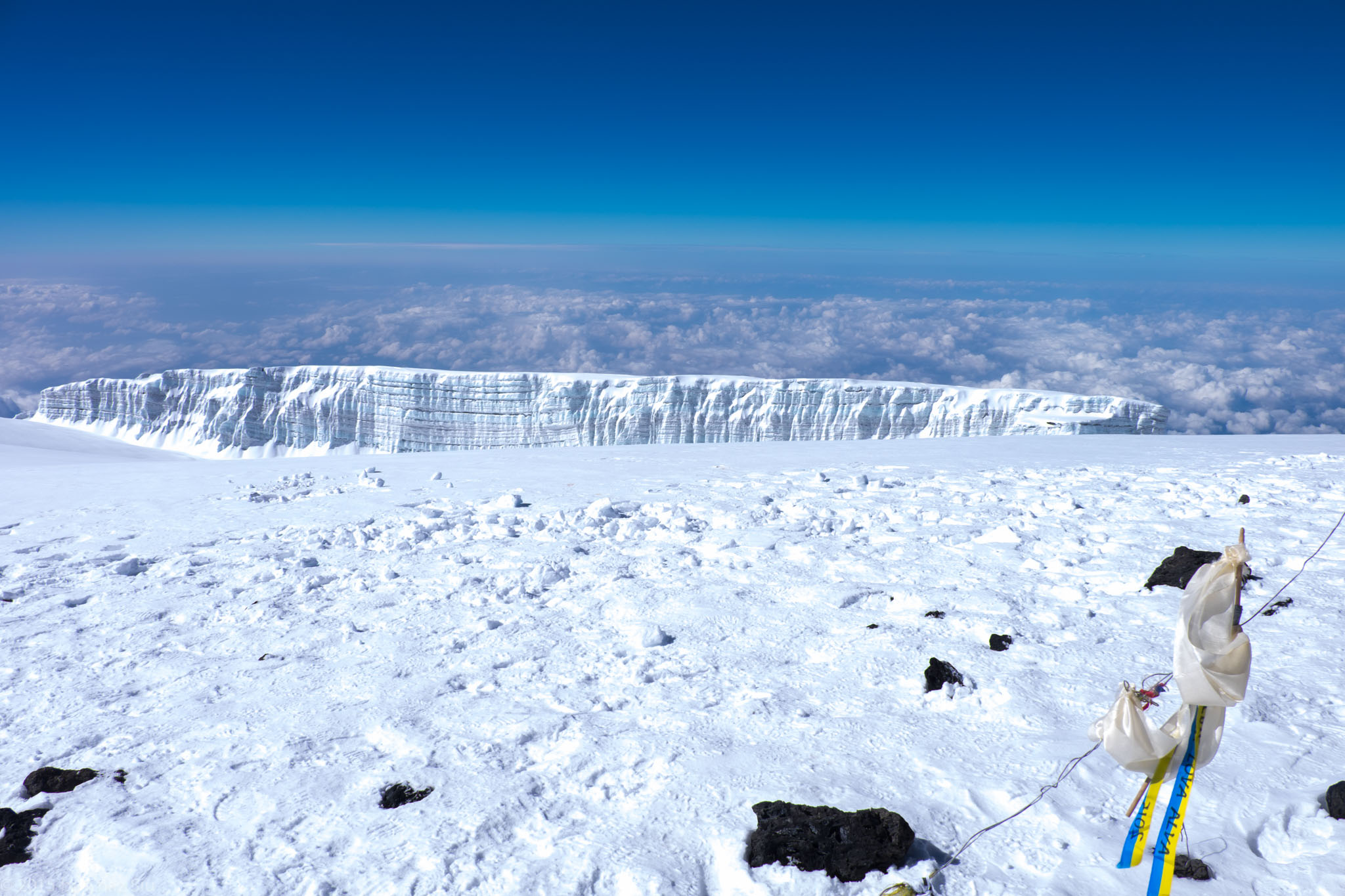
  • We got To Stella’s Point and Irina descended with Viviano to get her oxygen back. She’d made it to the crater rim – no mean feat. I was exhausted, but after talking to JT, he said if all I felt was tired, then we’d go Pole Pole to the summit (Uhuru Peak)…which we did. The crater rim was simply stunning, with cubic glaciers on the outside above the infinite clouds, and the giant bowl on the inside.
On A Clear Summit Day, We Could See Forever
Kibo Crater and Rim
Kibo Crater and Rim
Cubic Glacier On Kili Summit
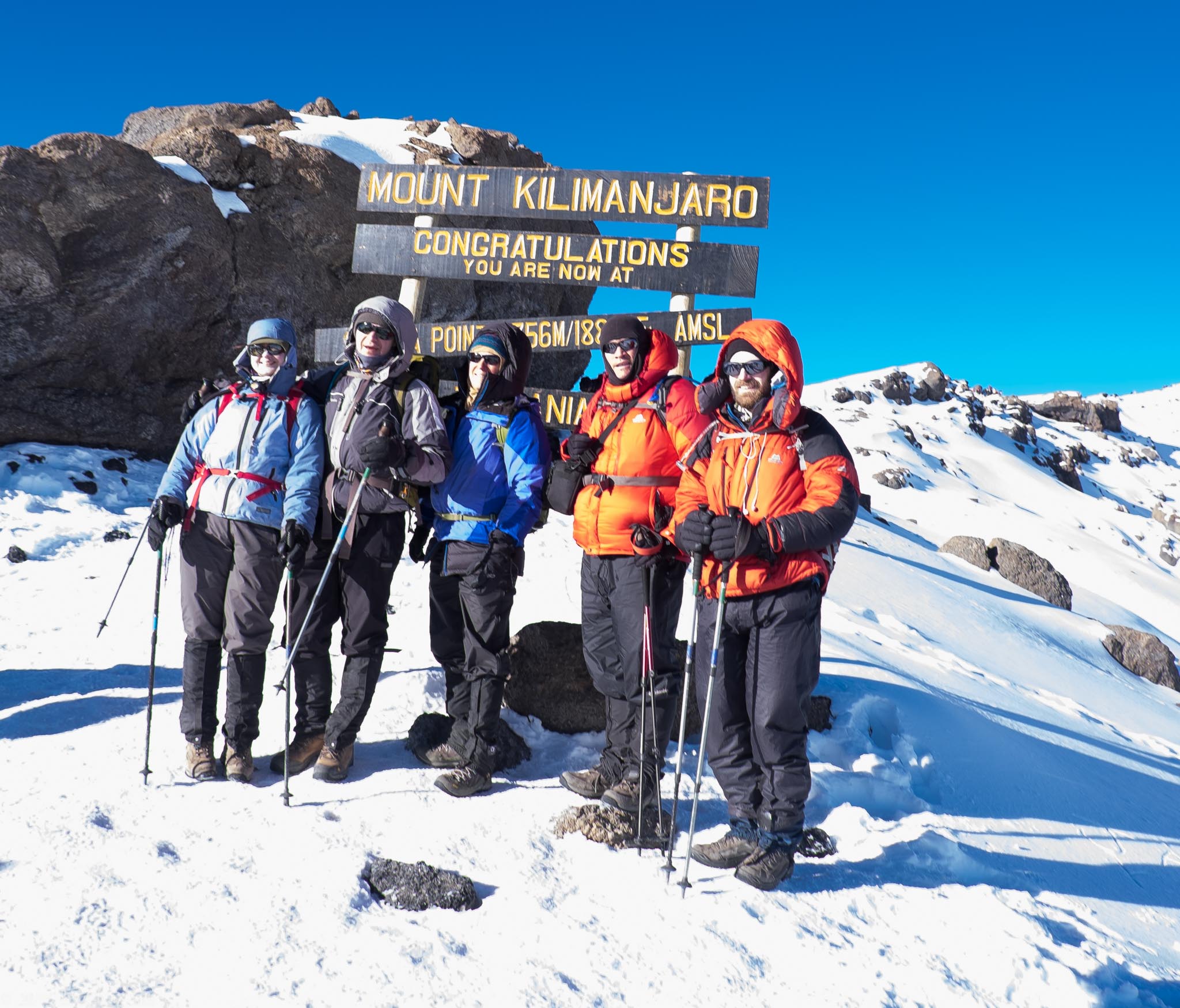
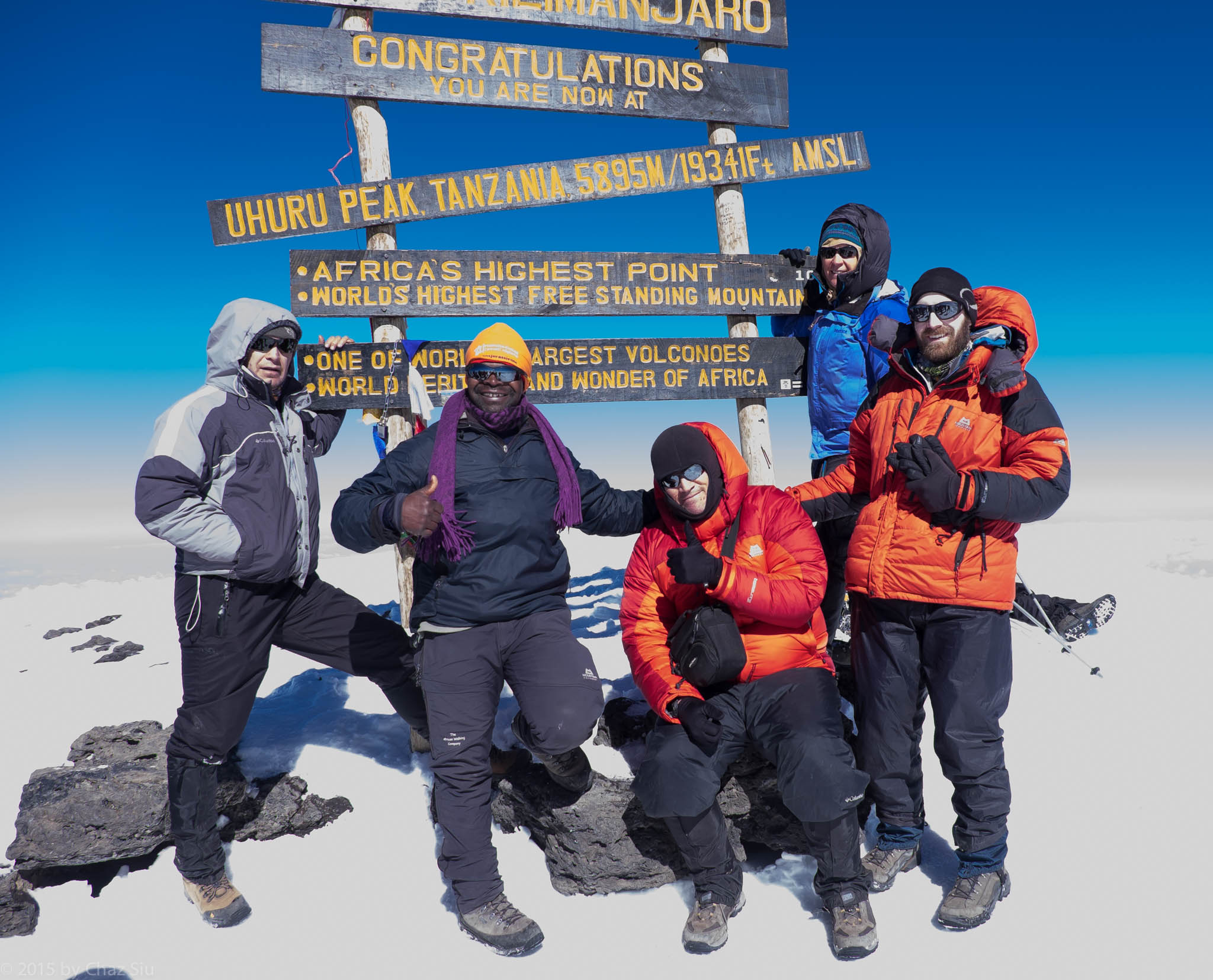
Uhuru Peak Summit - The Roof Of Africa. L to R, Alex, JT, me, Caryl, Paul. Rhys, Cort, and Kitt had summited an hour a head of us.
Uhuru Peak Summit – The Roof Of Africa. L to R, Alex, JT, me, Caryl, Paul. Rhys, Cort, and Kitt had summited an hour a head of us.
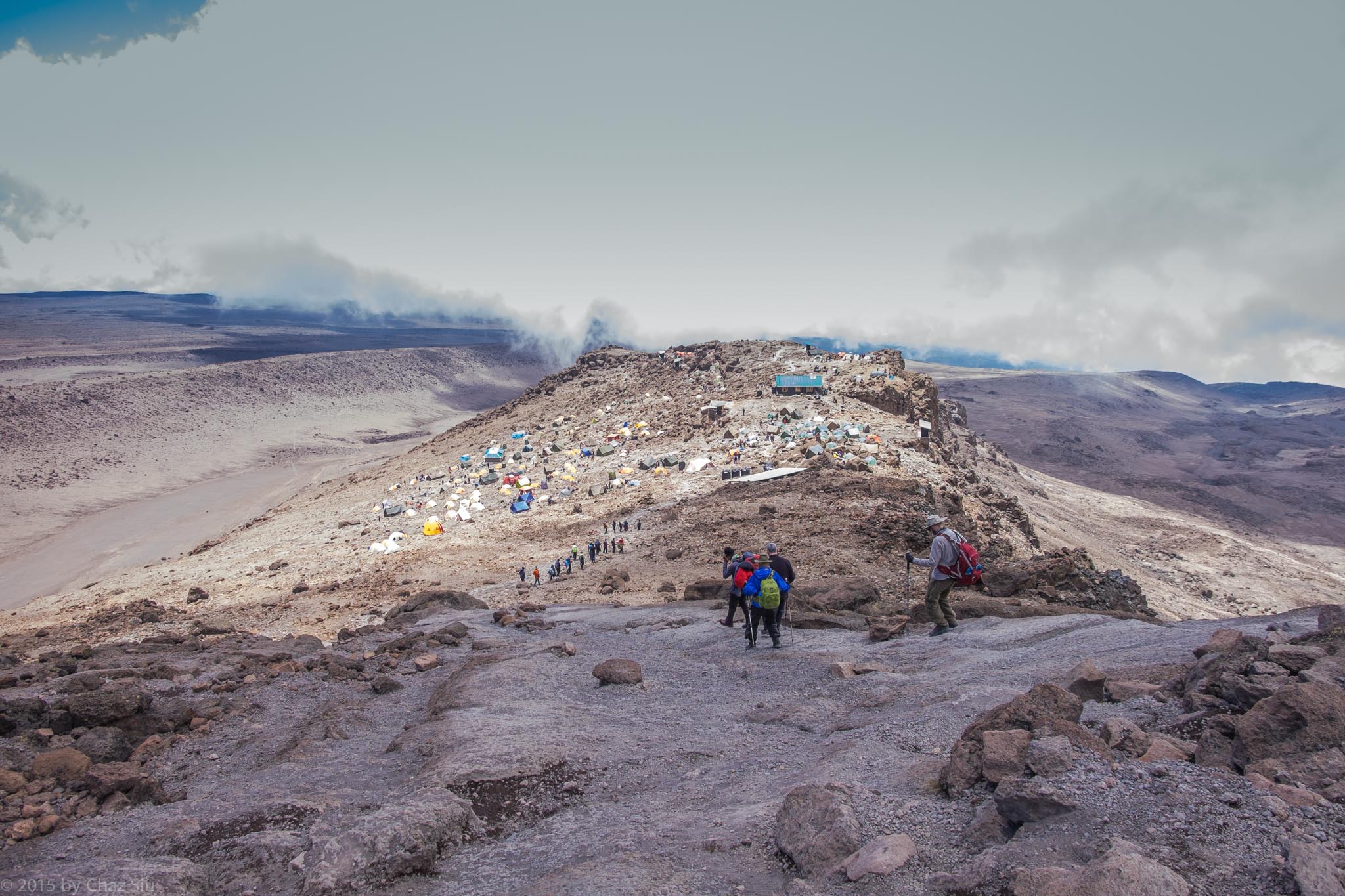
  • Once we got to the Uhuru Peak summit (19,341 ft) and grasped what we’d done, I muttered a quick refrain from Toto’s “Africa”, we took our pictures, then I busted it down with Said, so tired I was stumbling, and they watched me closely. We got back to Stella’s point in record time and immediately started down, with Alex, Caryl, Paul not far behind with JT. The descent to Barafu was kind of a blur, as I was pretty out of it, but I managed to make it unscathed, had lunch, then we descended further all the way down to Millenium Camp at 12,500. The 5 hr descent after 8 hr of altitude hiking wasn’t welcome, but not as if we had a choice. Alex and I both jammed our toes, and even as of this writing, my right toenail is black and probably leaving this mortal coil. Fortunately, Millenium Camp was gorgeous. I crawled into my tent and crashed hard after 12 hours of hiking. At dinner later, Rhys, Cort, and Kitt indicated they’d only gotten into camp a half hour ahead of us.
Descending Down To Barafu After Summit
Down From Summit, But Only Halfway Mist Over Crowded Barafu Camp
Millenium Camp Nestled Below Kili - Elevation 12,590 ft
Millenium Camp Nestled Below Kili – Elevation 12,590 ft
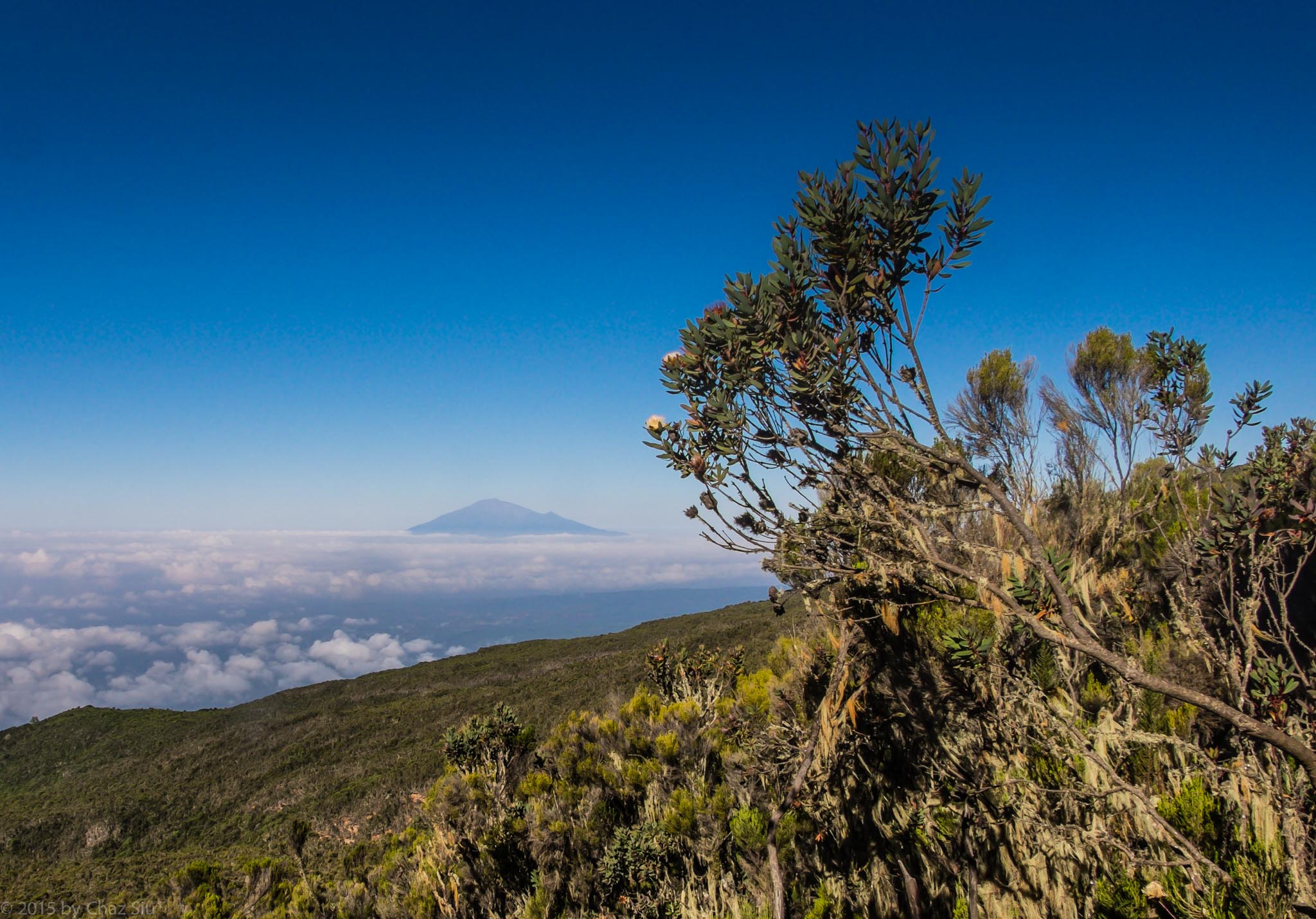
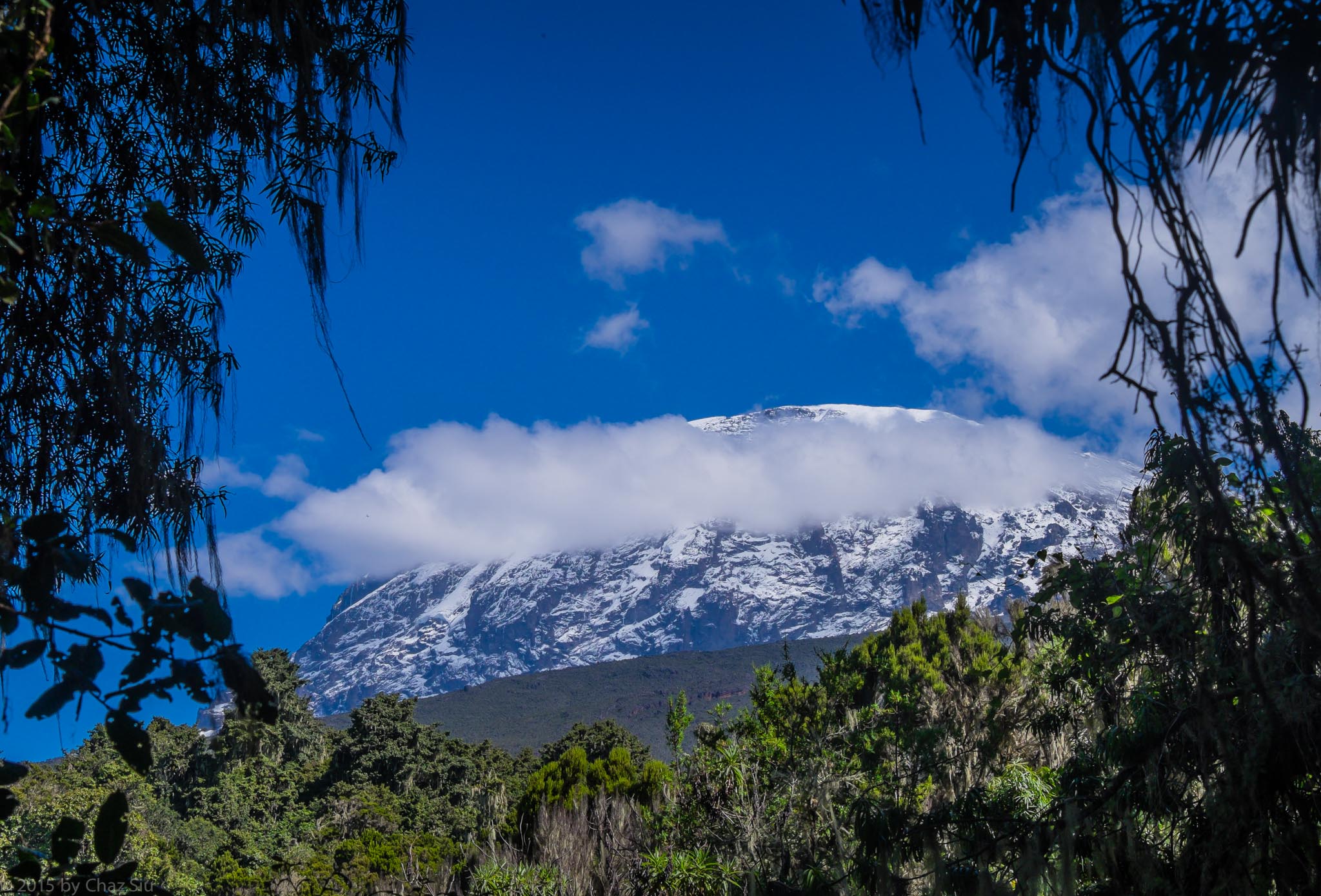
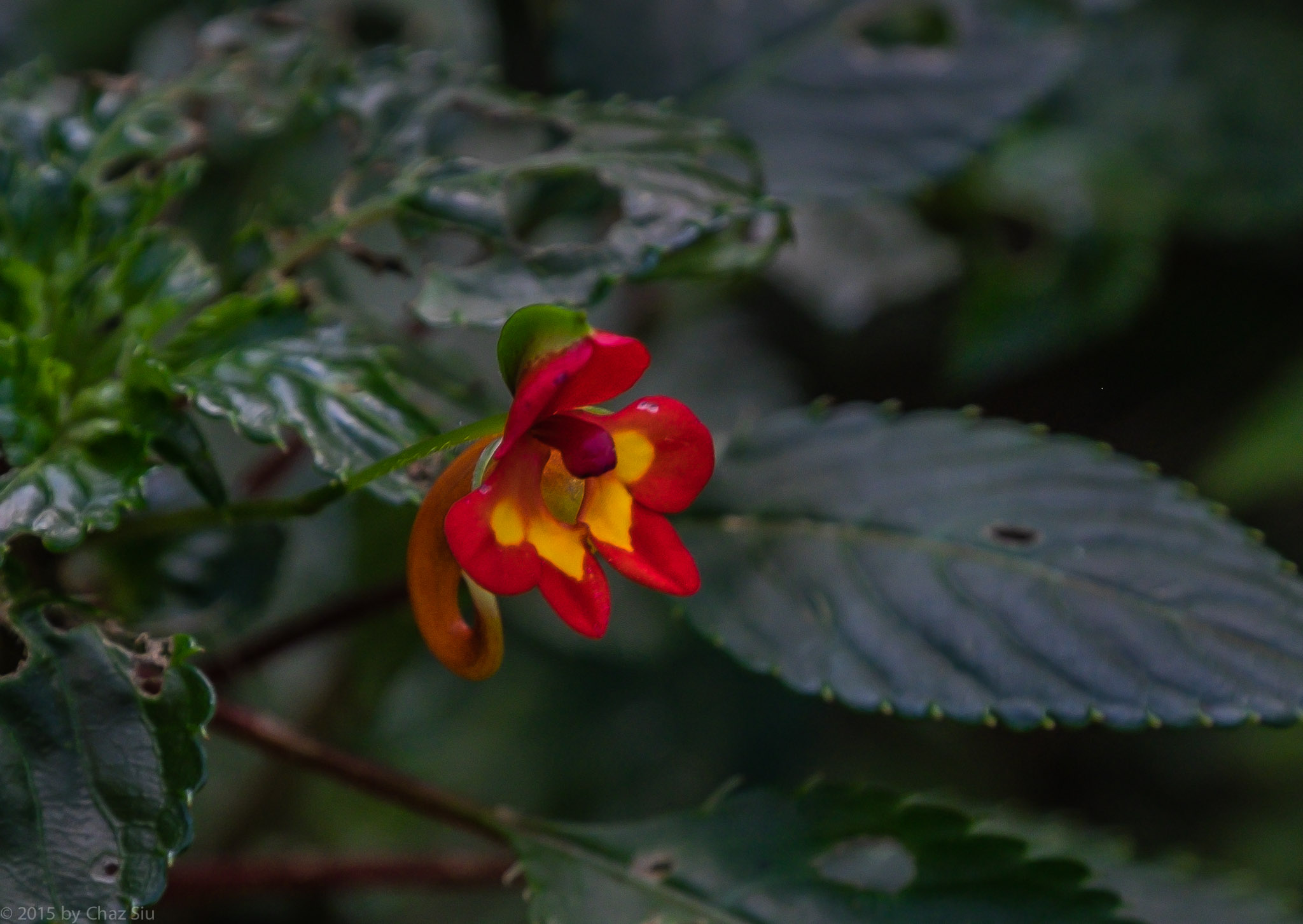
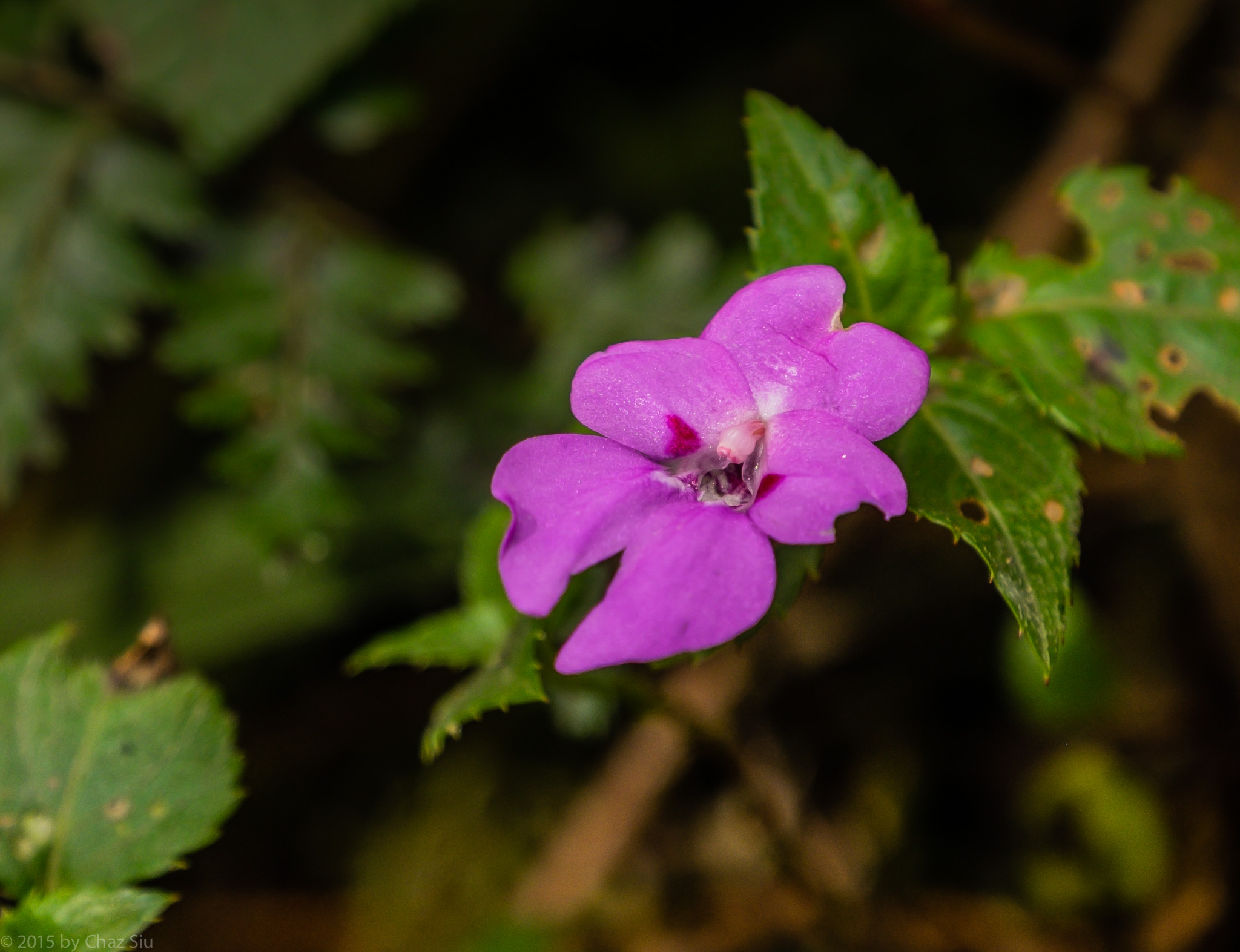
  • We overnighted at Millenium; the next morning was tipping ceremony with our whole summit team, where they sang and danced a Swahili celebration dance for our Kili summit. Afterwards, we headed down through the moorlands and back into the rainforest, where we saw Mt Meru in the distance, Kili framed above us, and more beautiful flowers.
Millenium Camp Sunrise
Mt Meru On Descent From Millenium Camp
A Final Glimpse Of Kili From The Rainforest
Impatiens kilmanjari
Impatiens Pseudoviola
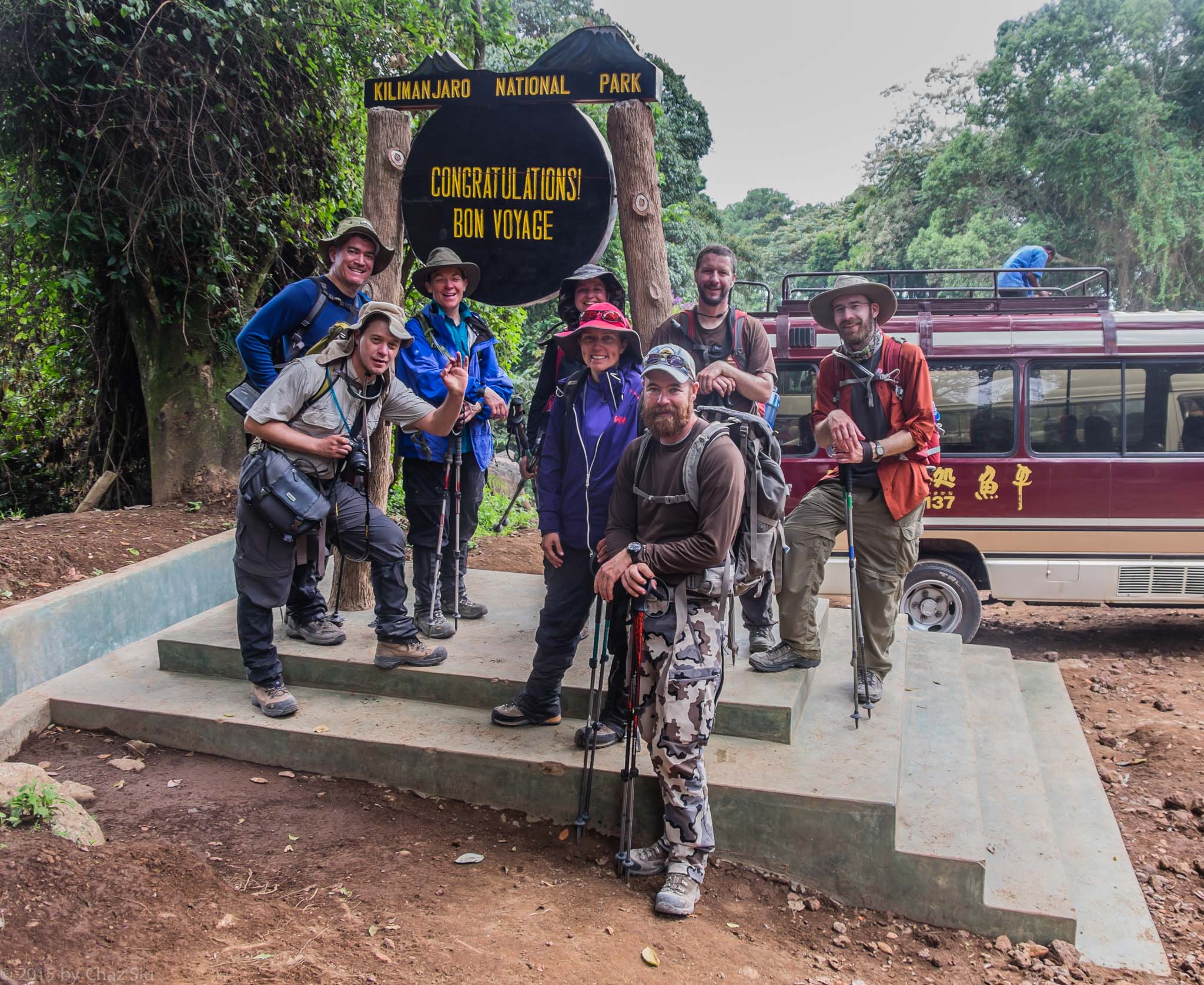
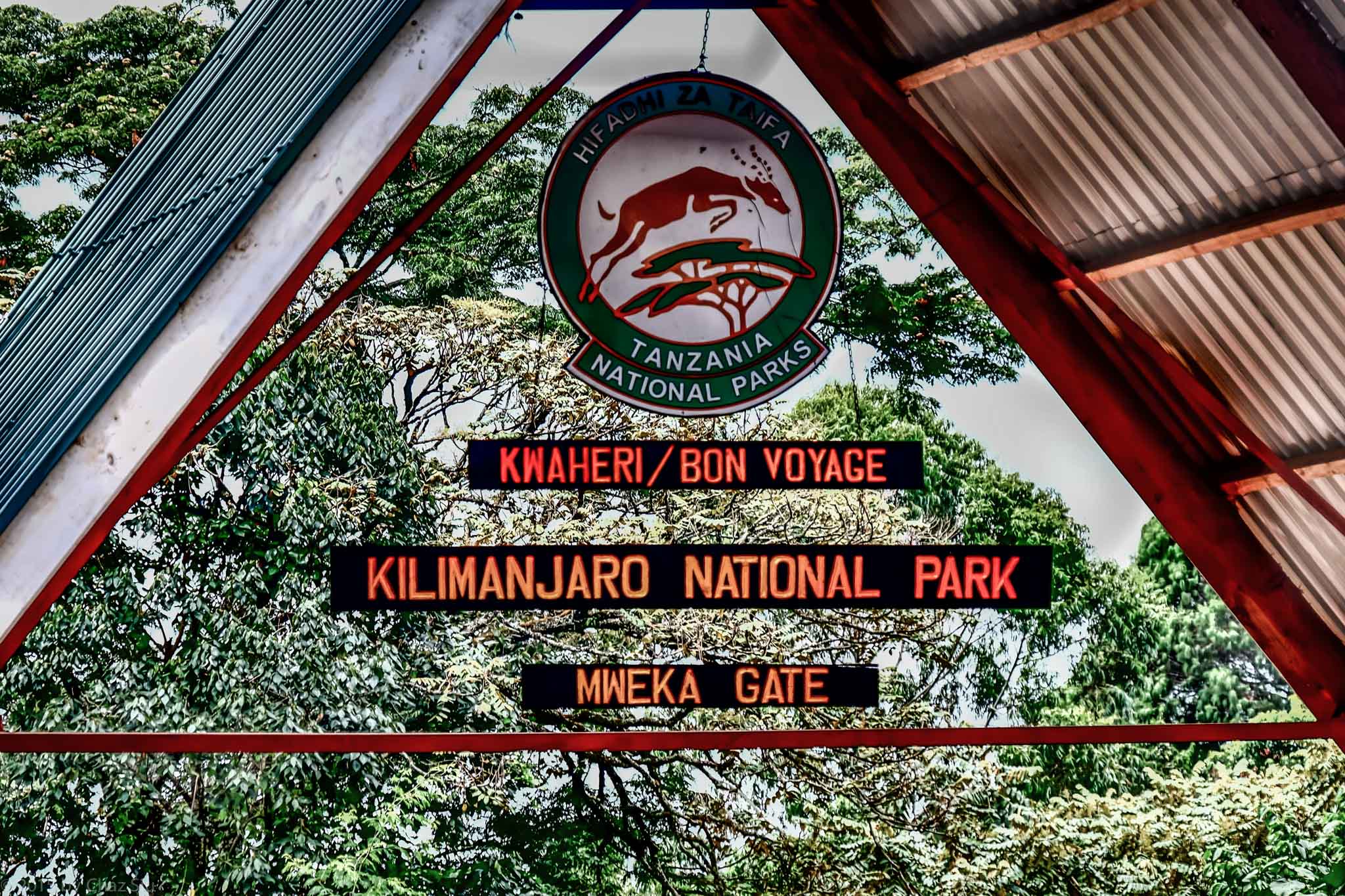
  • At long last, we reached the final gate…did our last team picture together, signed out to get our certificate for climbing the mountain, ate lunch, and sat quietly in the bus on our way back to Arusha. What a grand adventure – a sense of accomplishment that’s hard to describe and relishing our fortune in having an excellent guiding company and a team where we all got along in our many days on the mountain. I felt truly blessed and exhilarated.
Team Celebration At Mweka Gate Finish
Signing Out, Certificate
SIgning Out For Our Summit Certificate


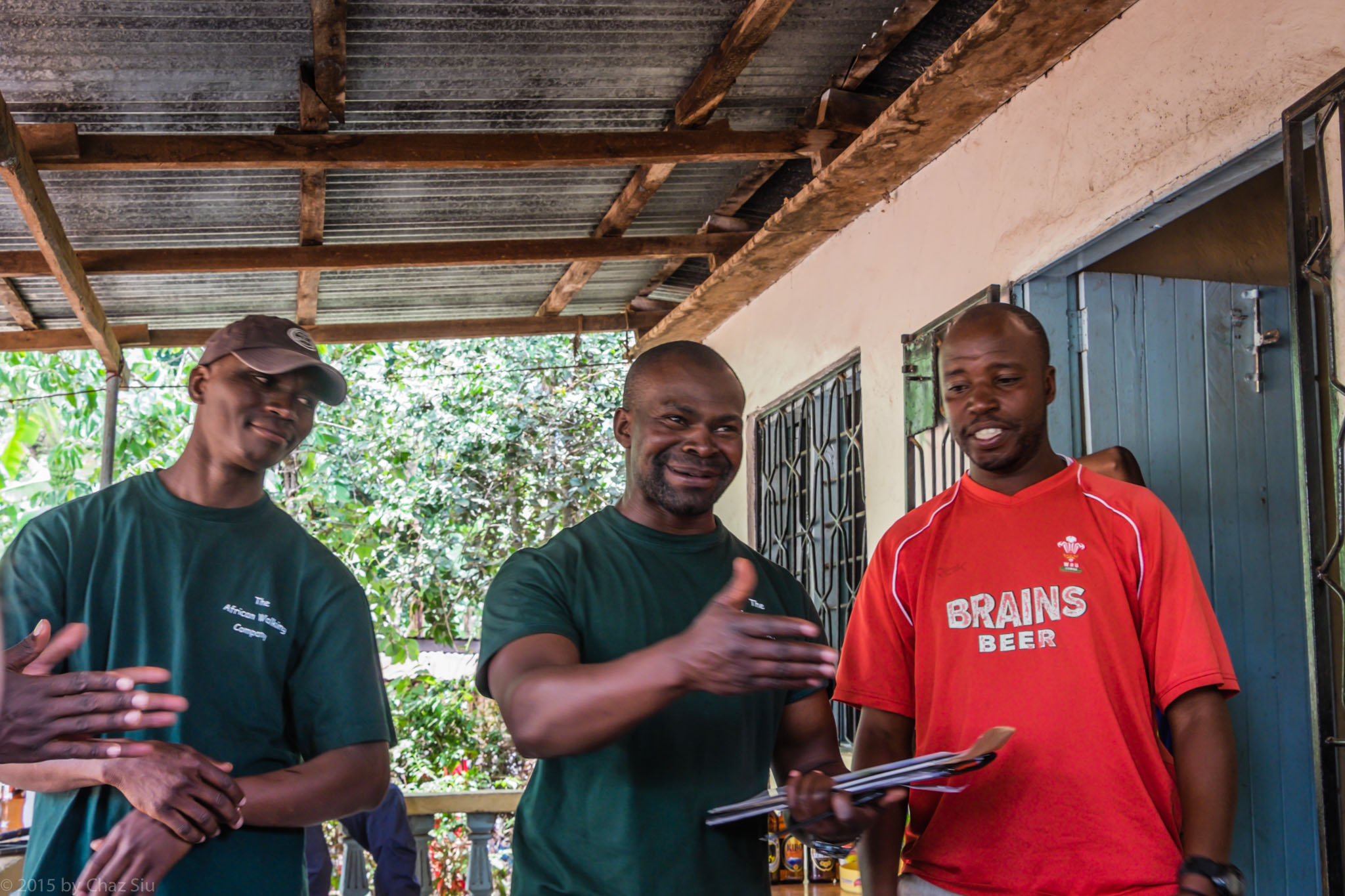
Said, JT, Viviano - Final Briefing
Said, JT, Viviano – Final Briefing

Mweka Gate Finish - ByeBye Kili

FAQ:
How did you book this epic journey?
Through Peak Planet, the best reviewed agency we found. Researching the Kili guiding is an exercise is due diligence – but something to consider is the treatment of porters and guides helping you up the mountain. The cheaper operators have a reputation for porters and guides with tattered clothing, substandard shoes, and not getting paid for the many days away from their families. From all testimonials and references, Peak Planet is the opposite of that, working with the African Walking Company to ensure good treatment while keeping the prices reasonable. I have zero stake in Peak Planet, but the blog should speak for itself – the guides and porters were excellent, friendly, helpful, courteous, etc. all you could ask for on such a comprehensive undertaking.What camera did you use?
The Fuji XT-1 mirrorless APS-C with an 18-135mm lens. All of it heavily weather resistant, unstopped by rain, freezing cold, sleet, or altitude. I did bring 4 extra batteries, kept warm in a wool sock…which proved to be good for the whole 9 day mountain journey.

Kilimanjaro Day 7: Upward Bound – The Final Ascent Begins With School Hut

Kilimanjaro Dwarfs Tiny Third Cave Camp

DAY 5 HIGHLIGHTS

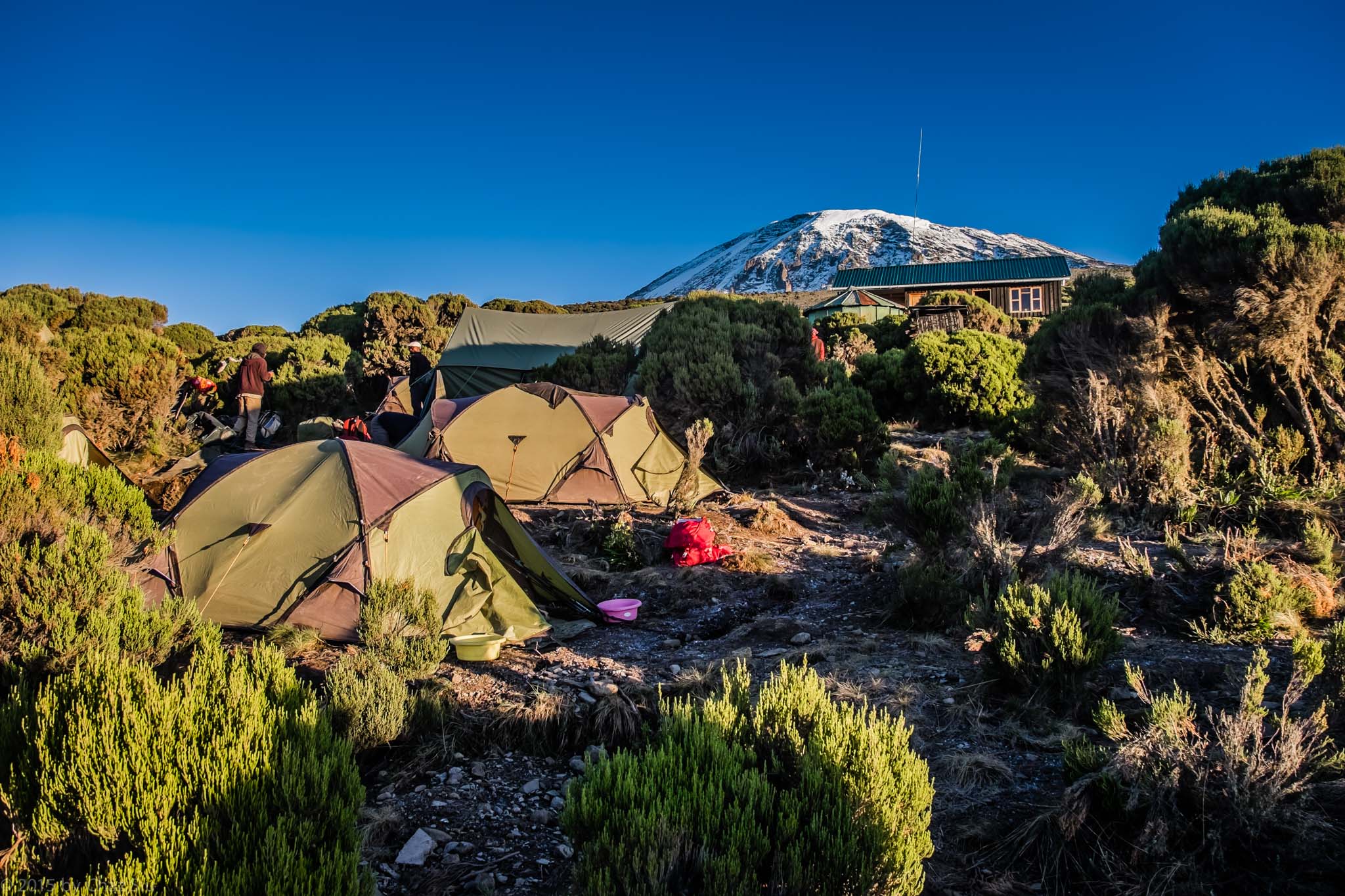
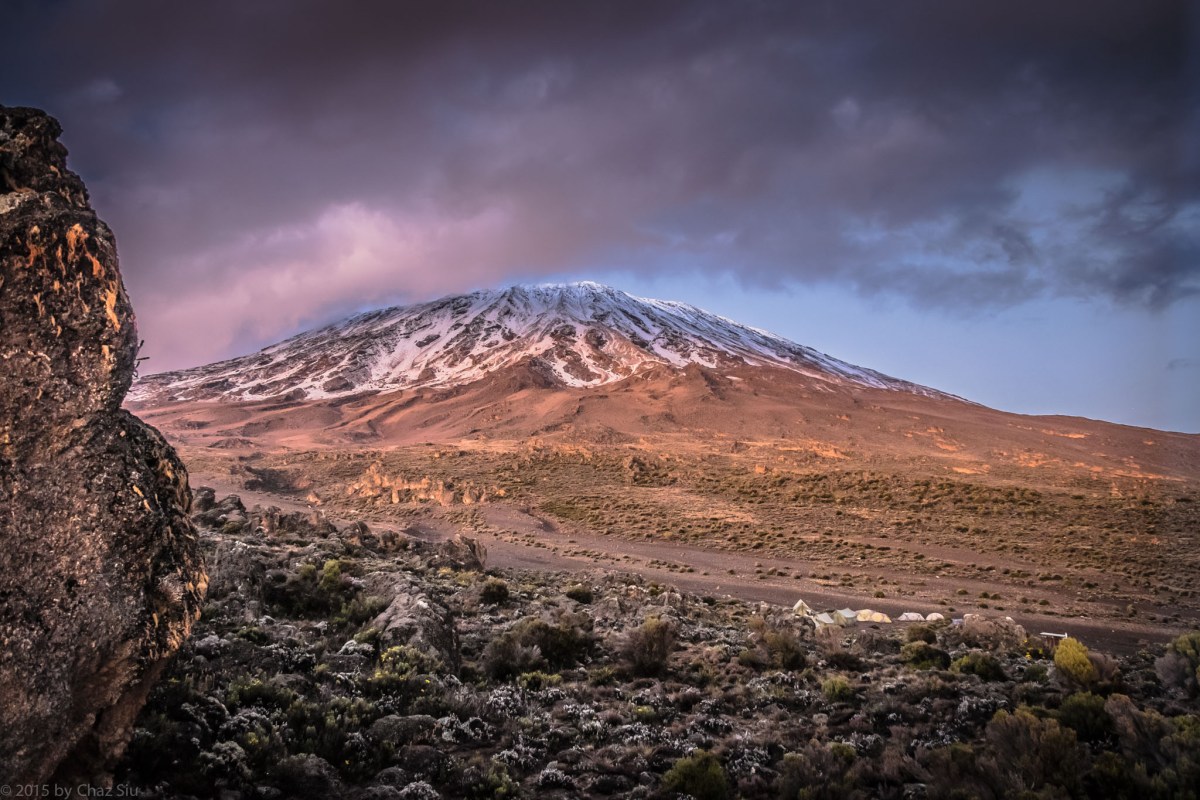
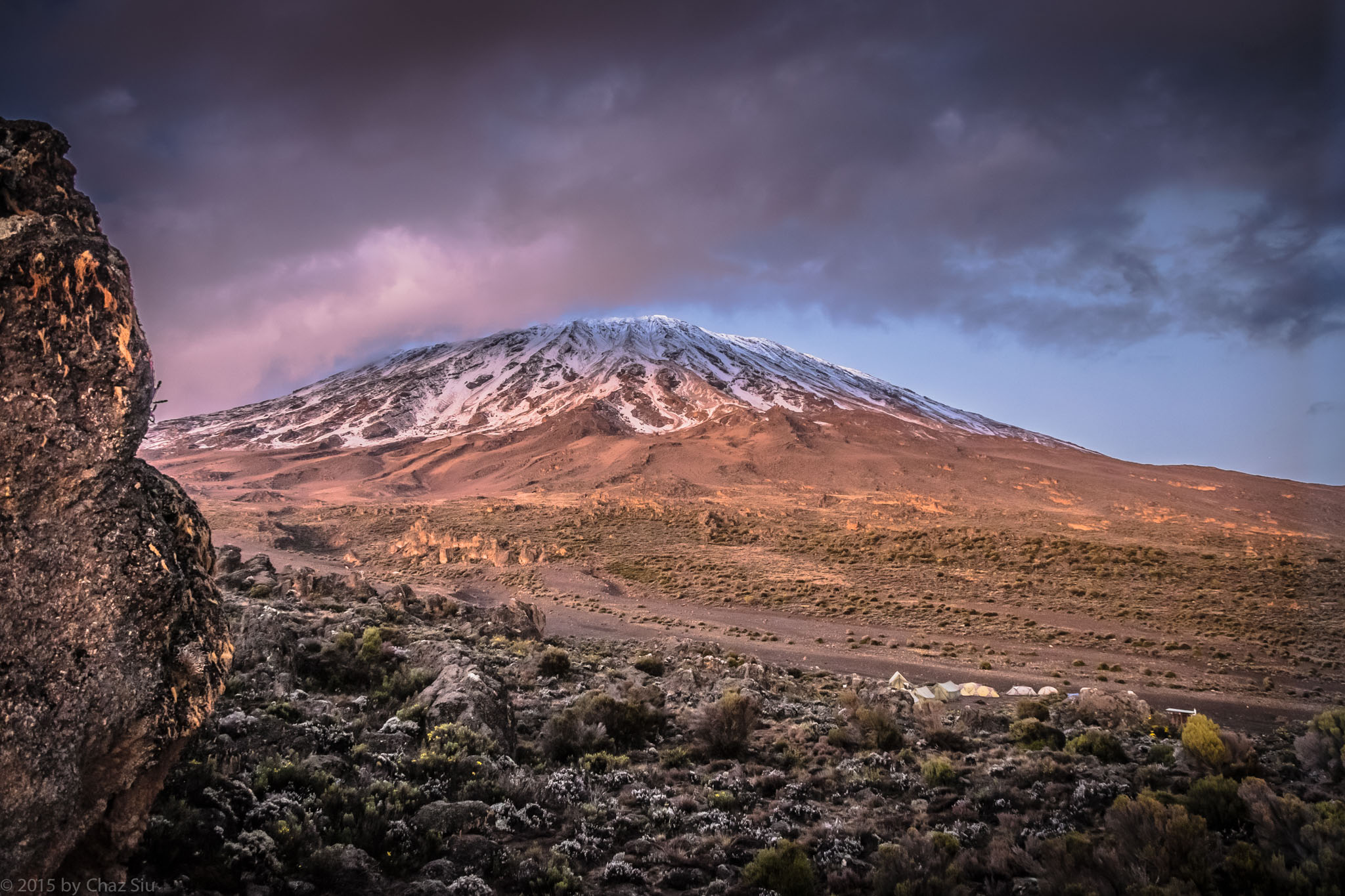
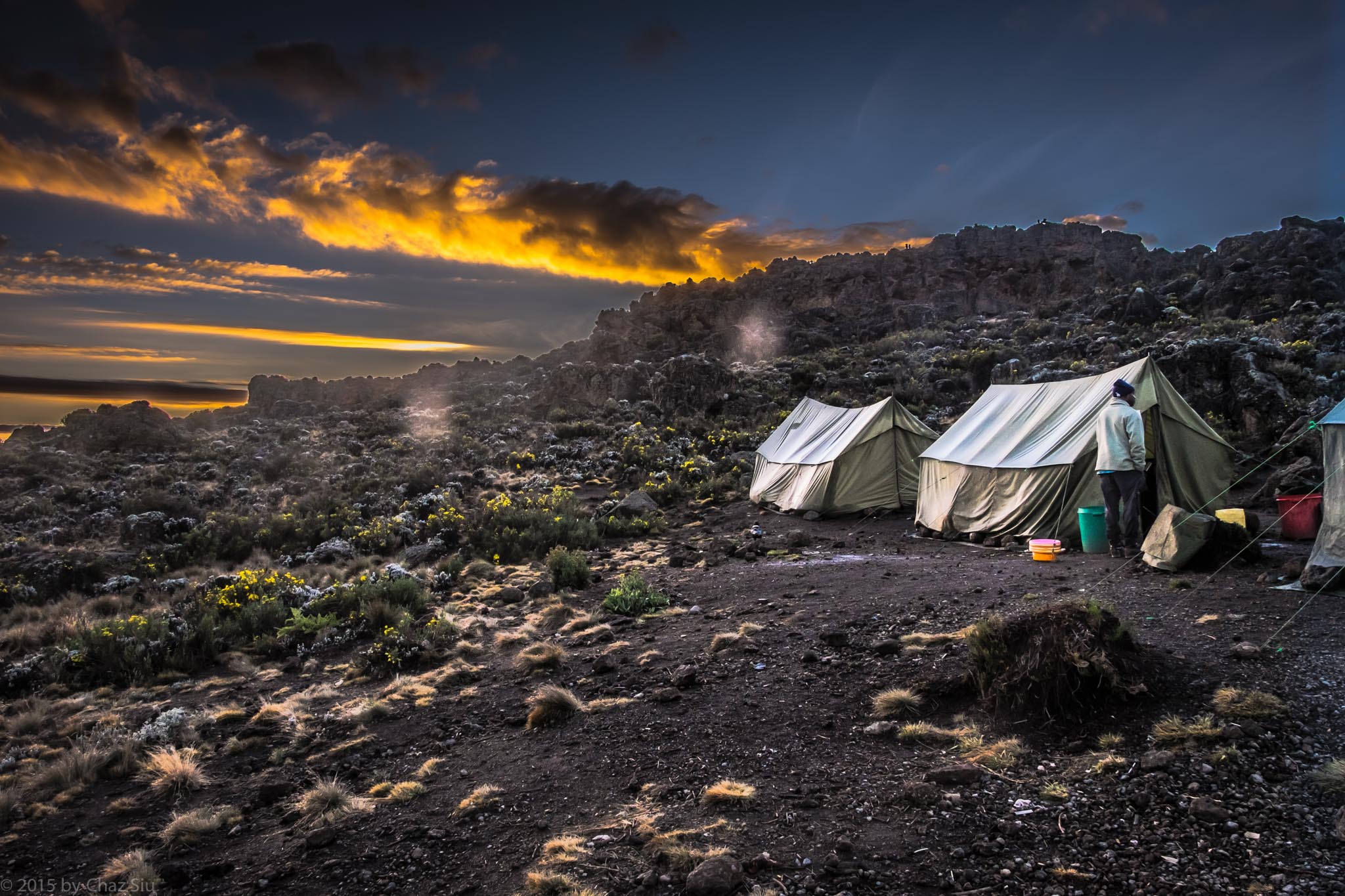
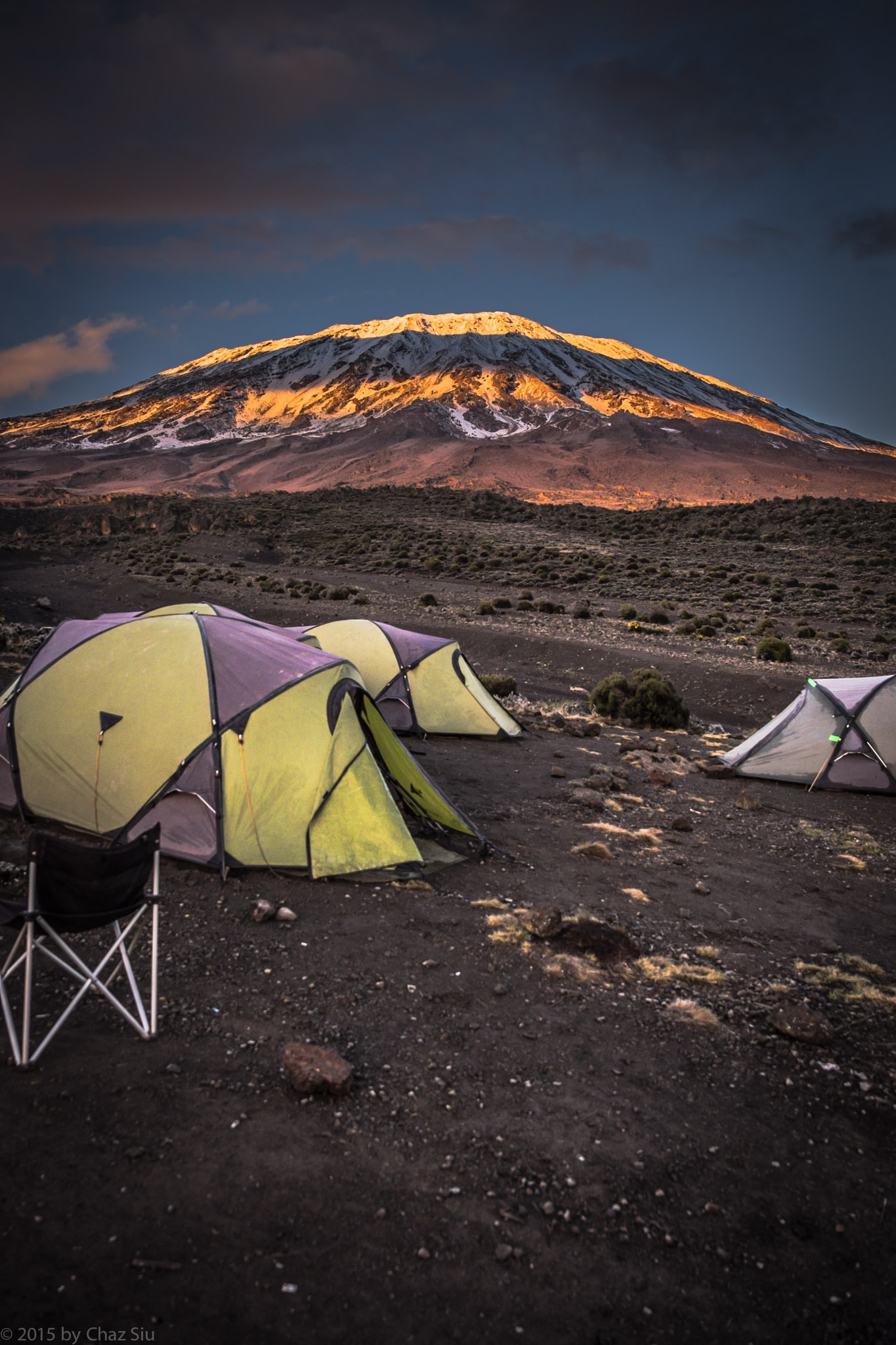
    • Our night at Third Cave Camp was pristine, with nary a patter of precipitation or wind. There were rock strata about a 50 yards from the camp, and I popped out of the tent at 5ish, switched on my headlamp and meandered through the shrub to climb the formations, tripod and camera in hand, then snapped away as the sun rose over our near perfect view of the Southeastern side of Kilimanjaro, as the camp slowly woke up over the next couple hours.
Cooking And Mess Tents At Sunrise - Third Cave. You can see the rock formations I climbed for the early AM photos of Kili.
Cooking And Mess Tents At Sunrise – Third Cave. You can see the rock formations I climbed for the early AM photos of Kili.
Sunrise Bands On Kilimanjaro Above Our Sleeping Tents
CLICK TO EXPAND - Pano of Kili and Third Cave Ravine and Camp
CLICK TO EXPAND – Sunrise Pano of Kili and Third Cave Ravine and Camp
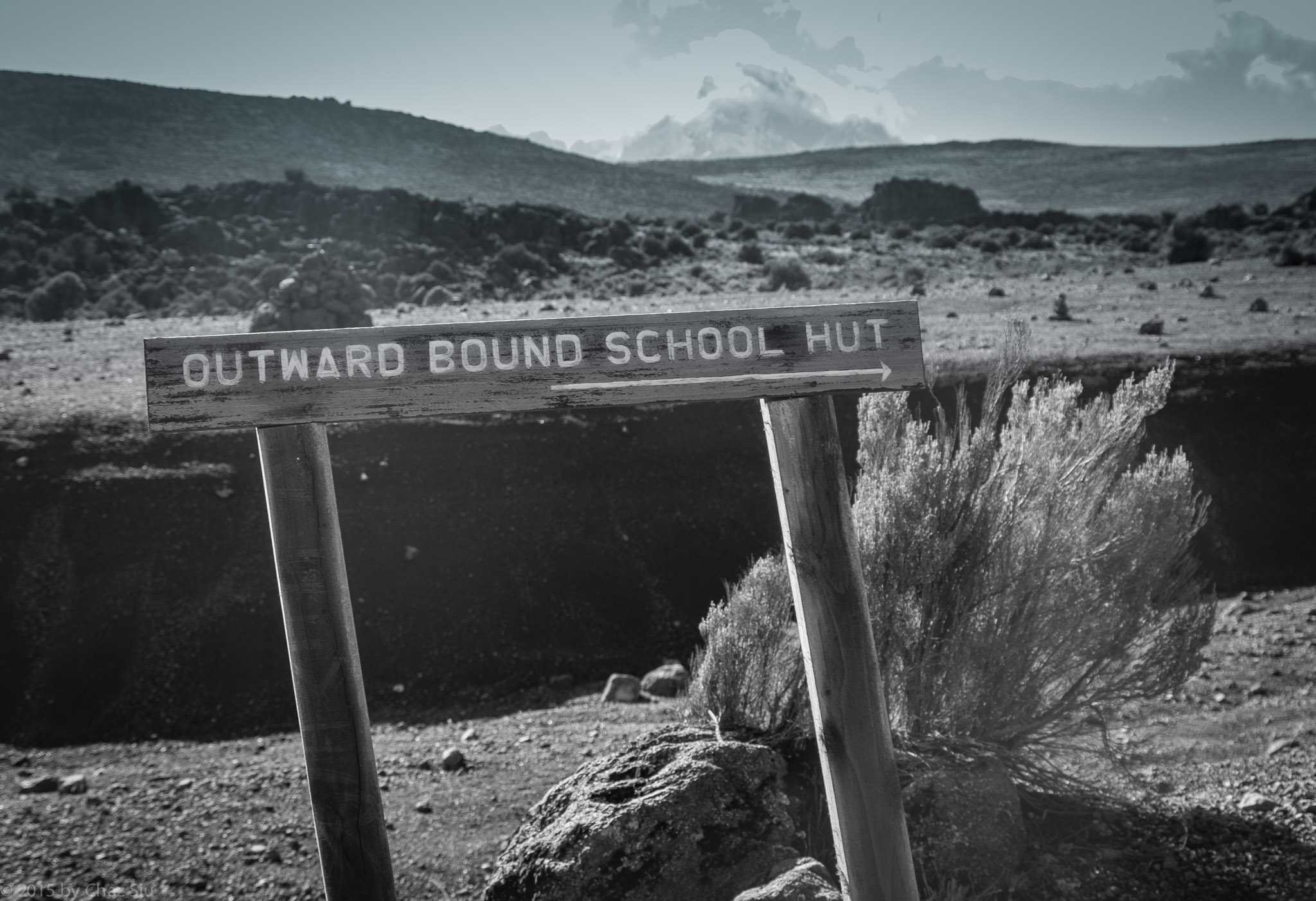
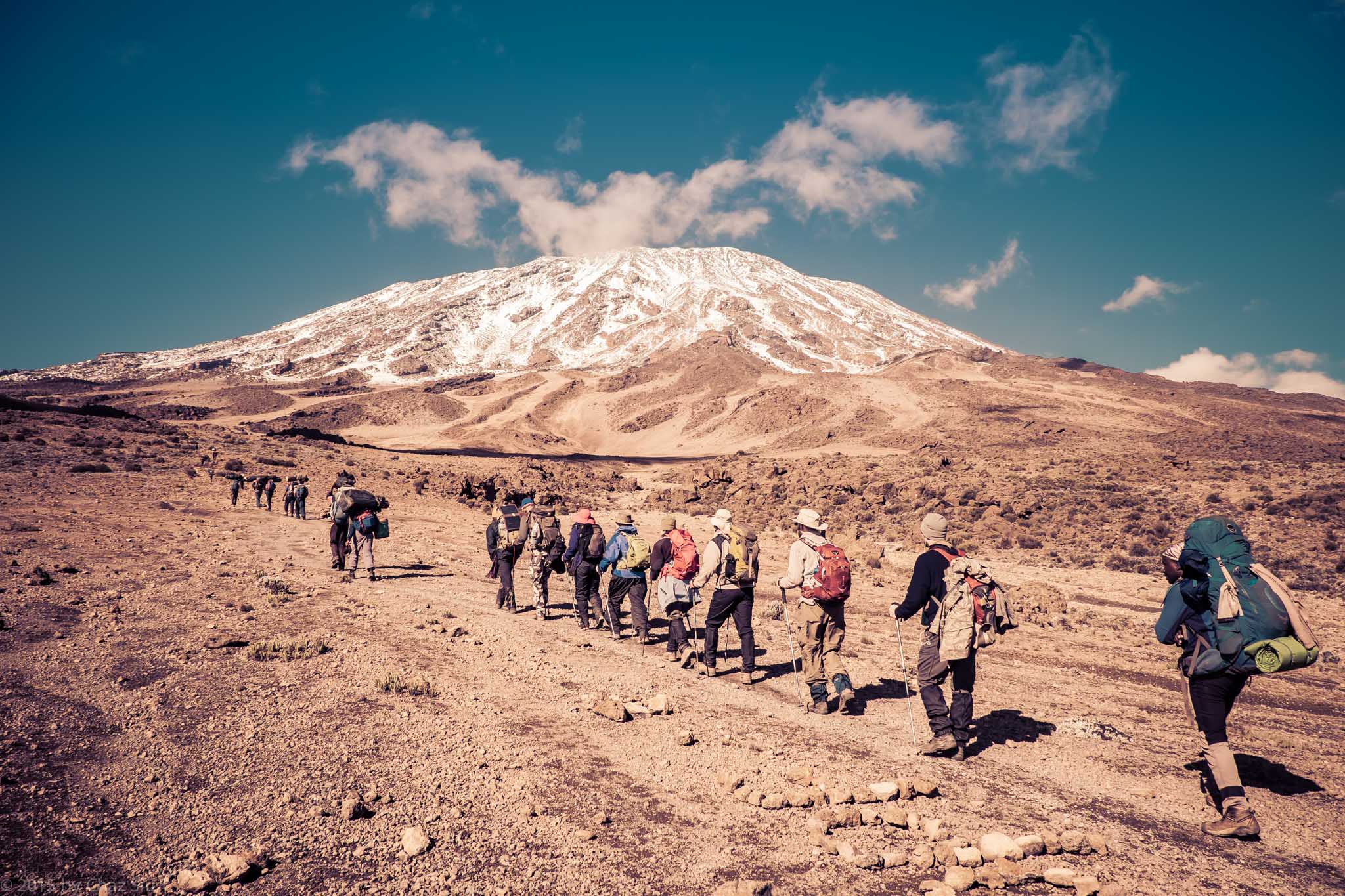
    • Third Cave amounted to base camp – our last full night of sleep before we summited the mountain, and the beginning of a LONG period of hiking. In the morning after breakfast, we would ascend from 13,000 feet to Outward Bound School Hut 15,500 feet, have lunch, nap, have dinner, then at 11pm, make the summit attempt. We marched out of camp at 8:27am and into the Kibo saddle that separated multipoint Mawenzi Peak on our left, and Kili Kibo Crater (the summit) on our right. The land quickly transitioned into the surface of the moon, strewn with rocks and virtually no flora to be seen.
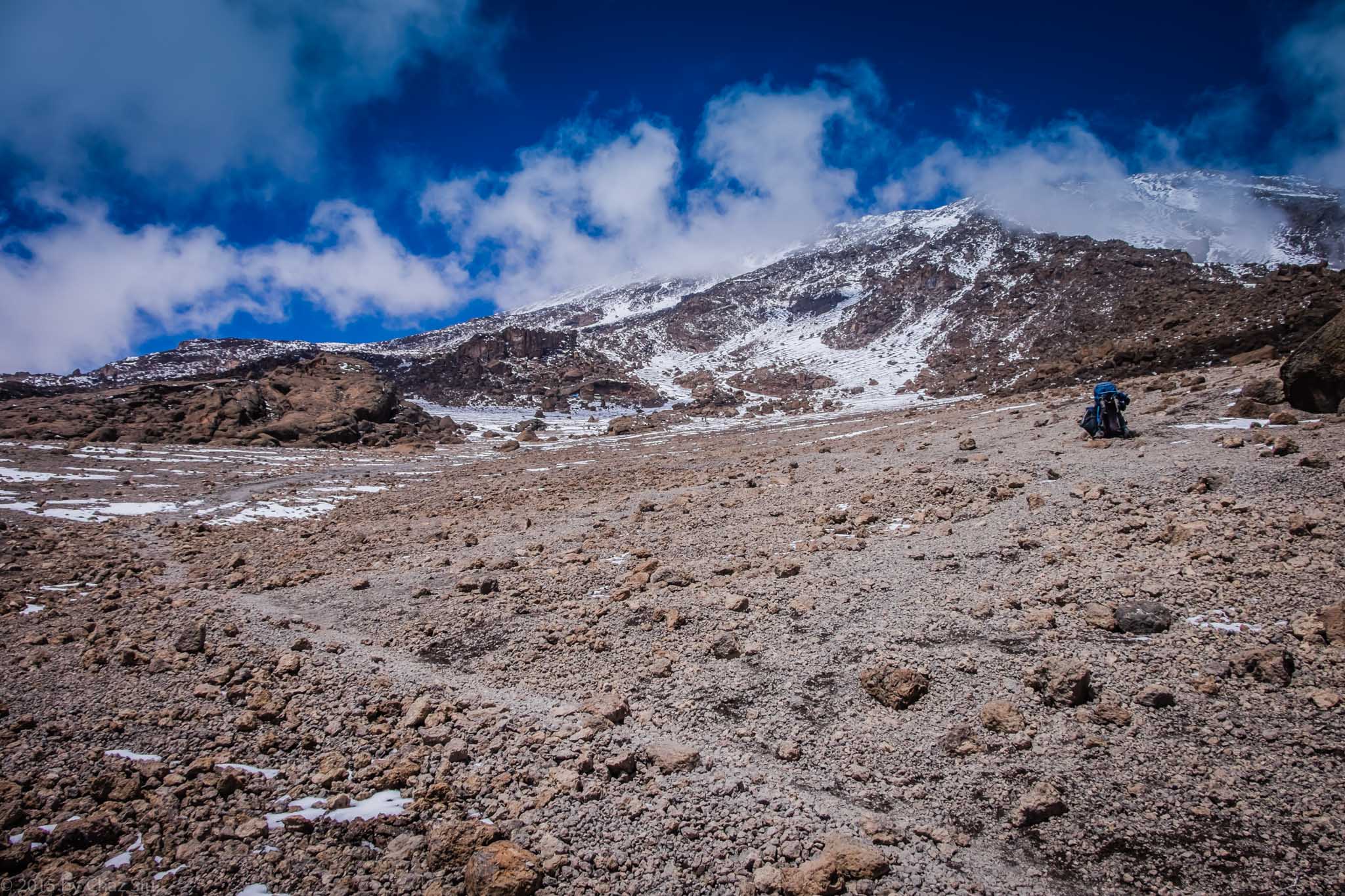
To School Hut
To School Hut
The Ascent To School Hut Begins
    • After about 1200 feet ascent, we were a little shocked to see the remains of a cape buffalo, eyes wide open staring at the sky. JT explained that around 2012, the buffalo had come up to the high elevation (around 14,200 feet) to lick the sodium ash and gotten its horns stuck in the crag; the folks at nearby Kibo Hut had heard it, but there were no attempts to free it, as the cape buffalo is universally noted as one of the meanest animals in Africa, not afraid to charge vehicles, toss big cats…and people around with its horns. It died after a few days…the corpse had no horns and had obviously been pulled out of where it had died and propped up on the rock. Kinda surreal.
Cape Buffalo Remains On The Ascent To School Hut
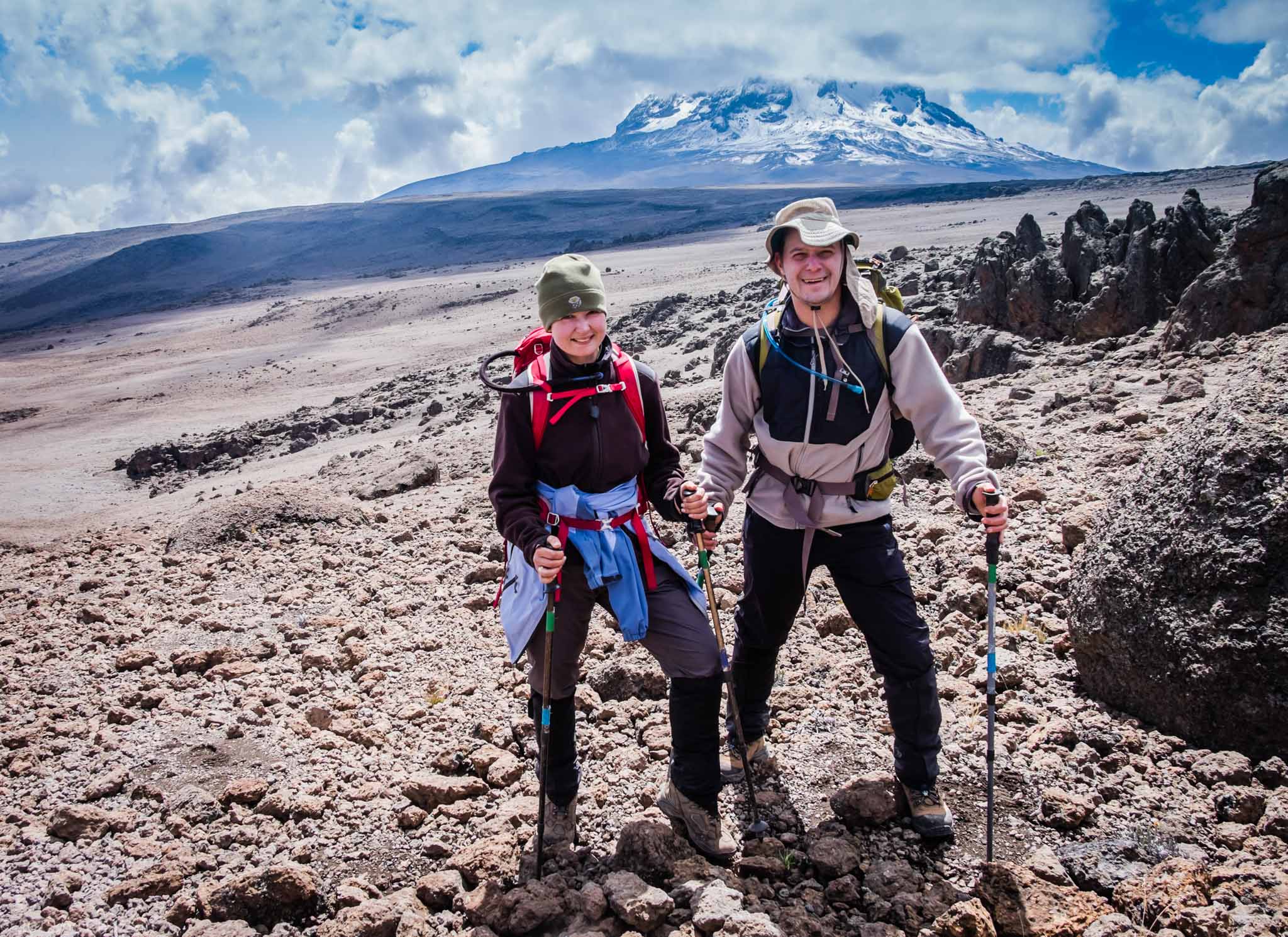
    • At some point, we crossed 14,500 feet, higher than Mt Whitney, the highest point on the continental US, and officially marking the highest any of us had ever climbed. Everyone was doing great, including Caryl, now fully recovered from her headaches, albeit still fighting her sinuses.
Alex and Irina At Mt Whitney Elevation 14,500 feet
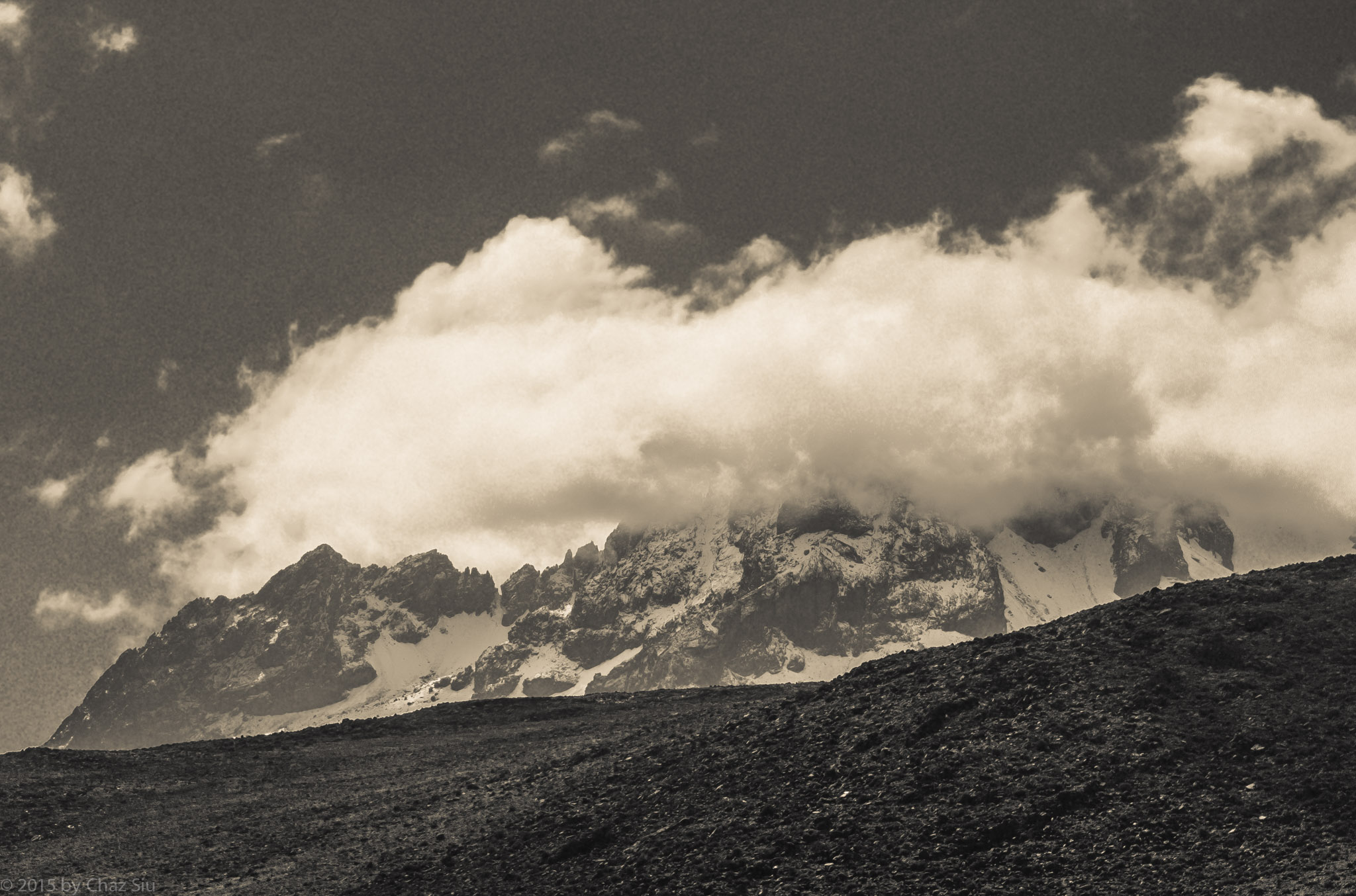
Mawenzi Shrouded In Clouds On Our Way To School Hut
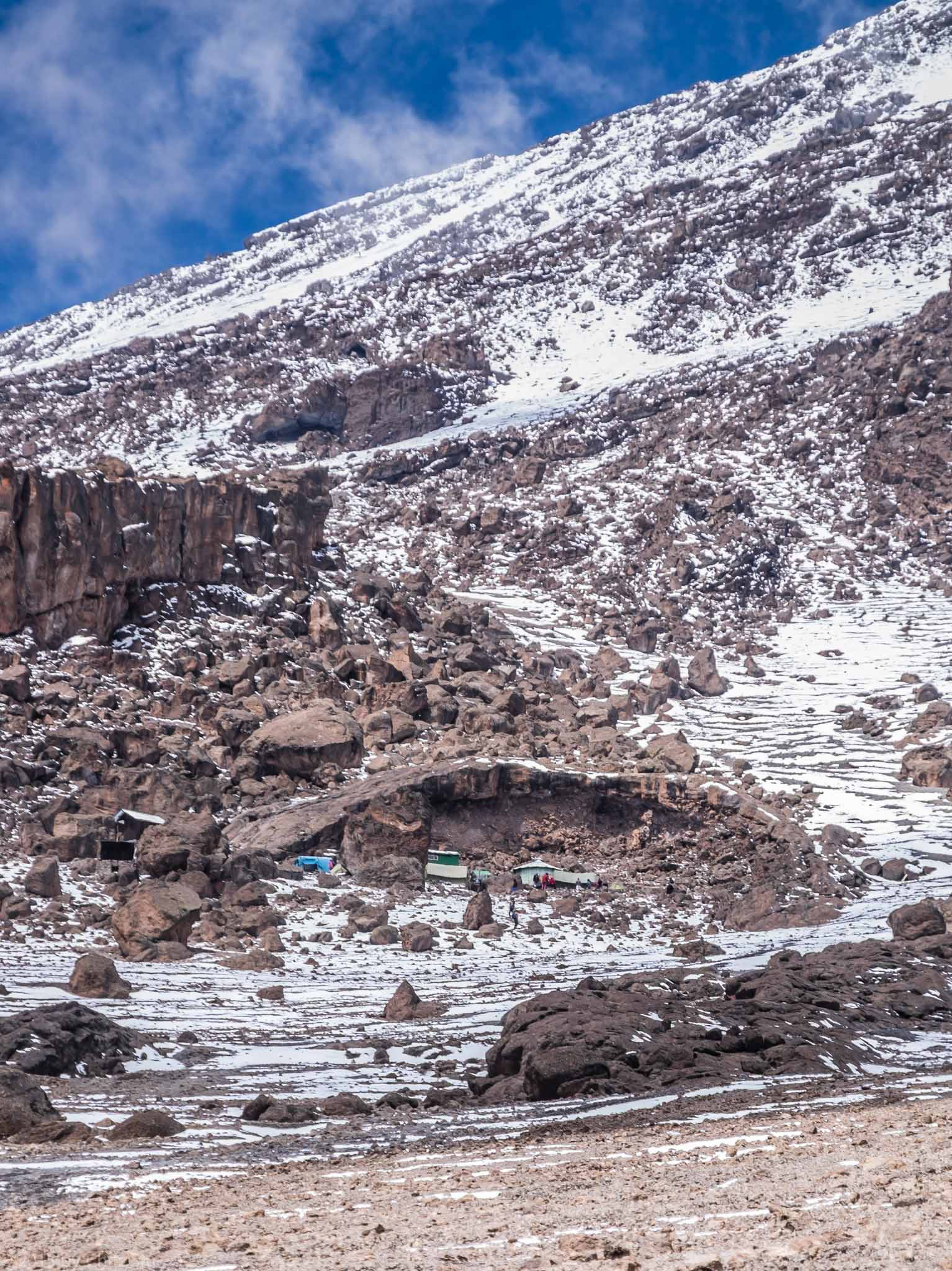
    • We were now climbing loose scree, a sign of what we’d be climbing on our ascent. Again, pole pole pace to the rescue prevented the steps from sapping our energy the way loose gravel can, and at length we spotted School Hut camp above, nestled in the rocks…our base camp for the summit attempt. We came into camp around 11:30am, signed in, had lunch and listened to JT’s briefing. “Get your naps in between lunch and dinner, and after dinner – we’ll be starting the summit climb at 11pm” Though it alternated between sun superheating our tents and drifting snow and mist, we hit the hay and did our best. All the days on the mountain were finally coming to fruition!
Criscrossing Scree To Schoolk Hut In The Distance
Criscrossing Scree To School Hut In The Distance
School Hut Above Us at 15,500 feet
School Hut Above Us at 15,500 feet. It’s Like Moon Up Here!.
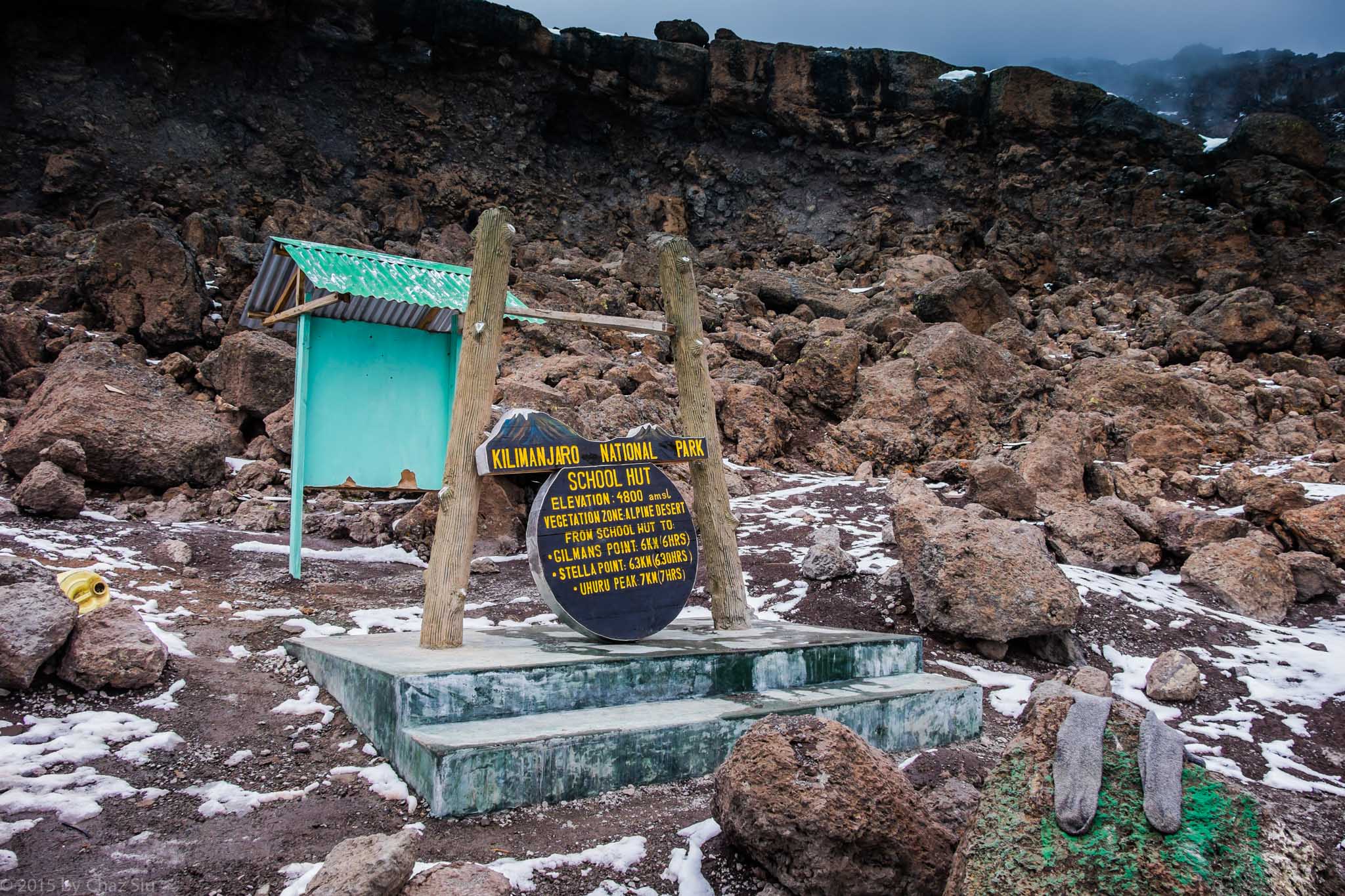
Socks Dry Out At School Hut (15,500 feet). It's Almost Summit Time!
Socks Dry Out At School Hut (15,500 feet). It’s Almost Summit Time!

FAQ:
How did you book this epic journey?
Through Peak Planet, the best reviewed agency we found. Researching the Kili guiding is an exercise is due diligence – but something to consider is the treatment of porters and guides helping you up the mountain. The cheaper operators have a reputation for porters and guides with tattered clothing, substandard shoes, and not getting paid for the many days away from their families. From all testimonials and references, Peak Planet is the opposite of that, working with the African Walking Company to ensure good treatment while keeping the prices reasonable. I have zero stake in Peak Planet, but the blog should speak for itself – the guides and porters were excellent, friendly, helpful, courteous, etc. all you could ask for on such a comprehensive undertaking.

What camera did you use?
The Fuji XT-1 mirrorless APS-C with an 18-135mm lens. All of it heavily weather resistant, unstopped by rain, freezing cold, sleet, or altitude. I did bring 4 extra batteries, kept warm in a wool sock…which proved to be good for the whole 9 day mountain journey.

Kilimanjaro Day 6: African Sunrise, Kenyan Plains, Nuclear Bomb Clouds, and Third Cave

African Sunrise On Mt Kilimanjaro

DAY 5 HIGHLIGHTS

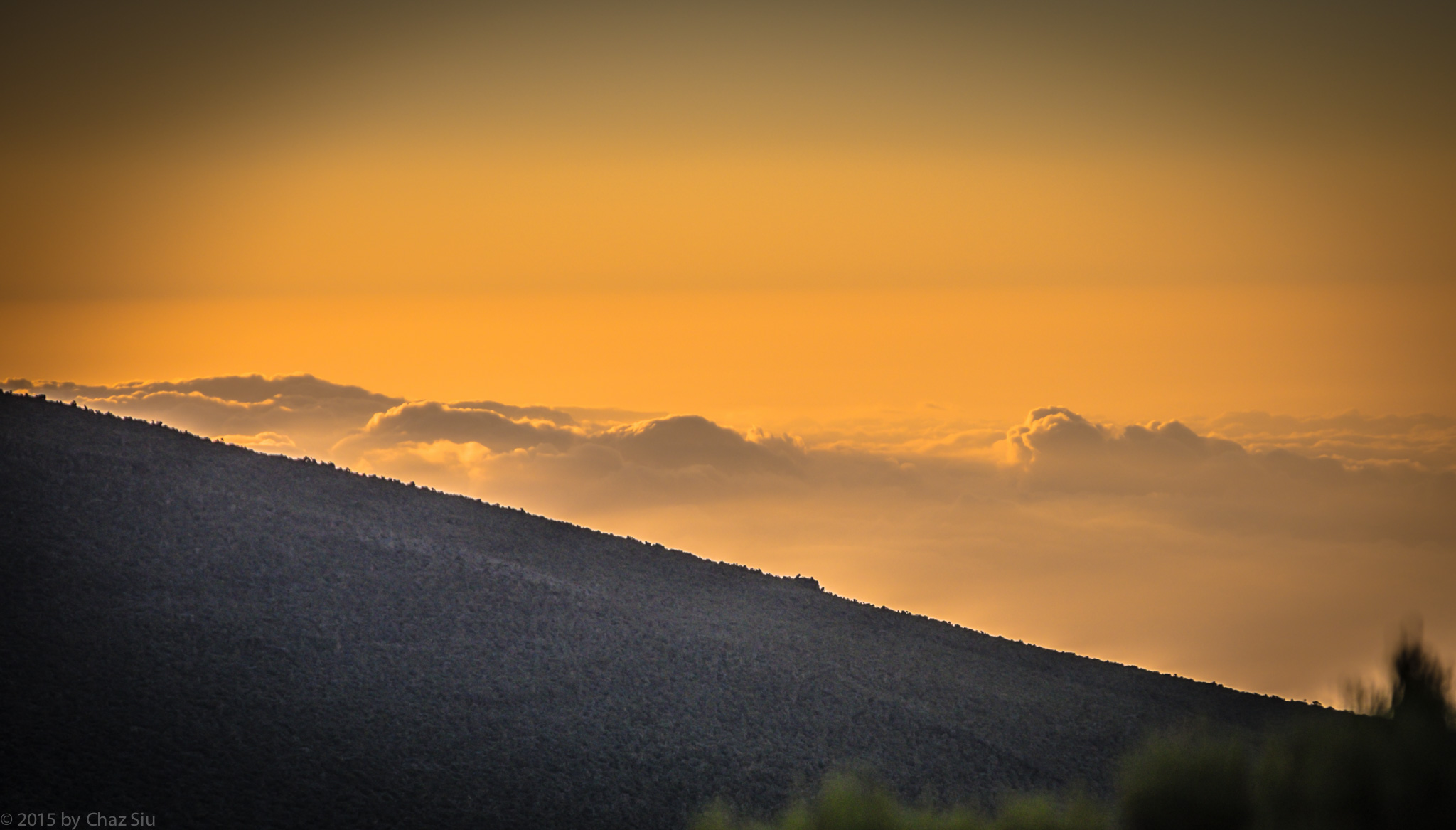
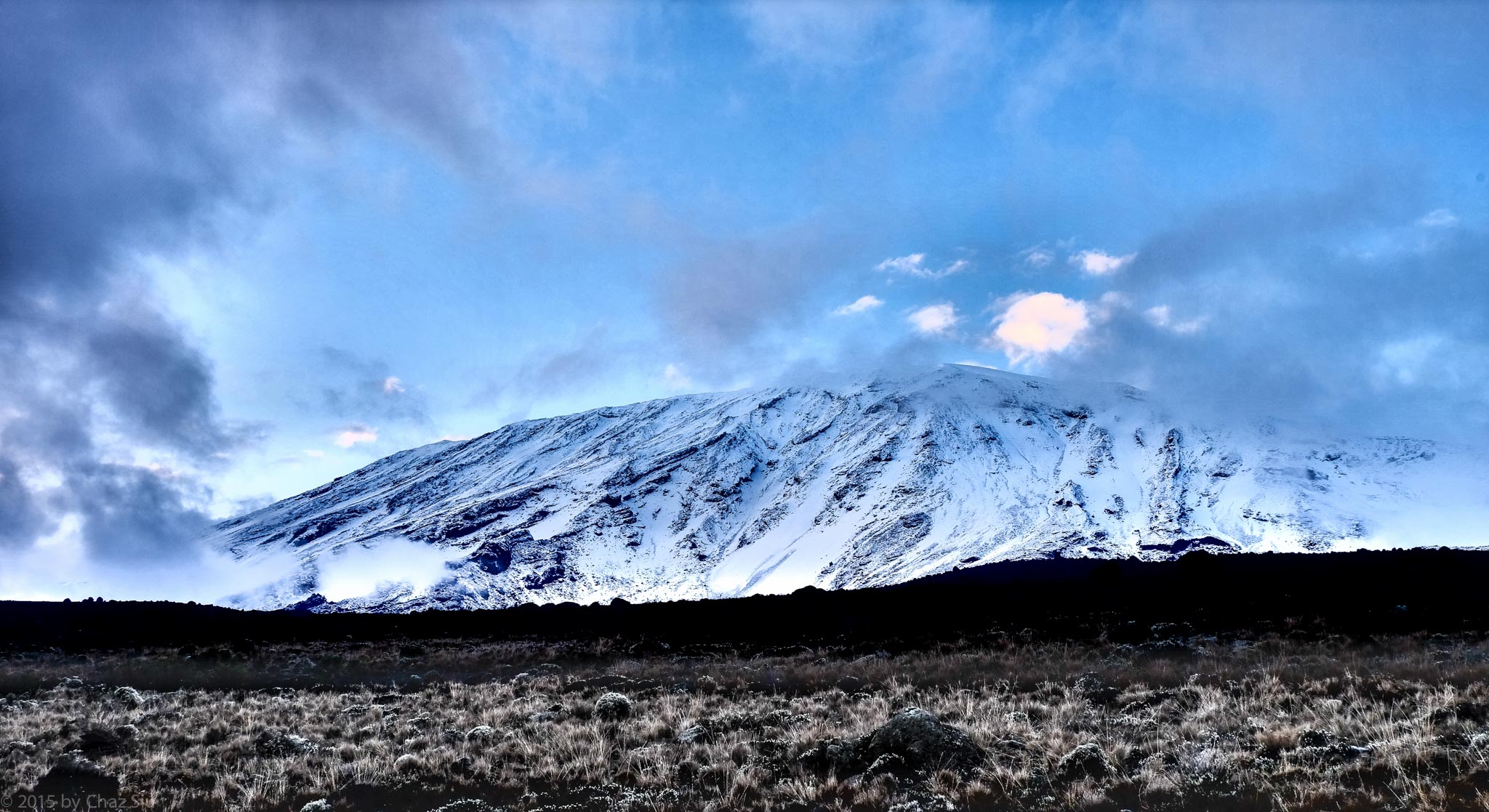
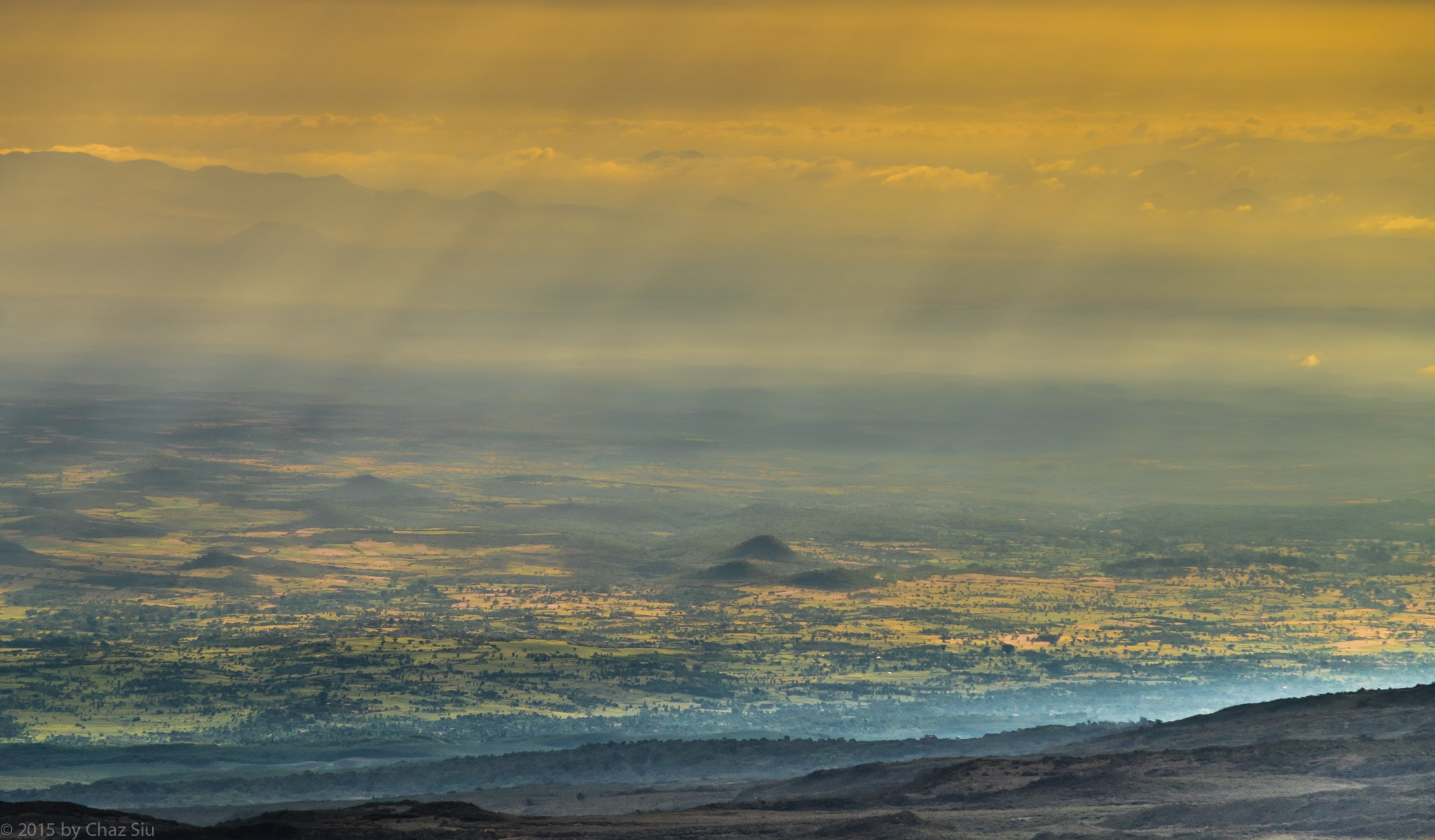
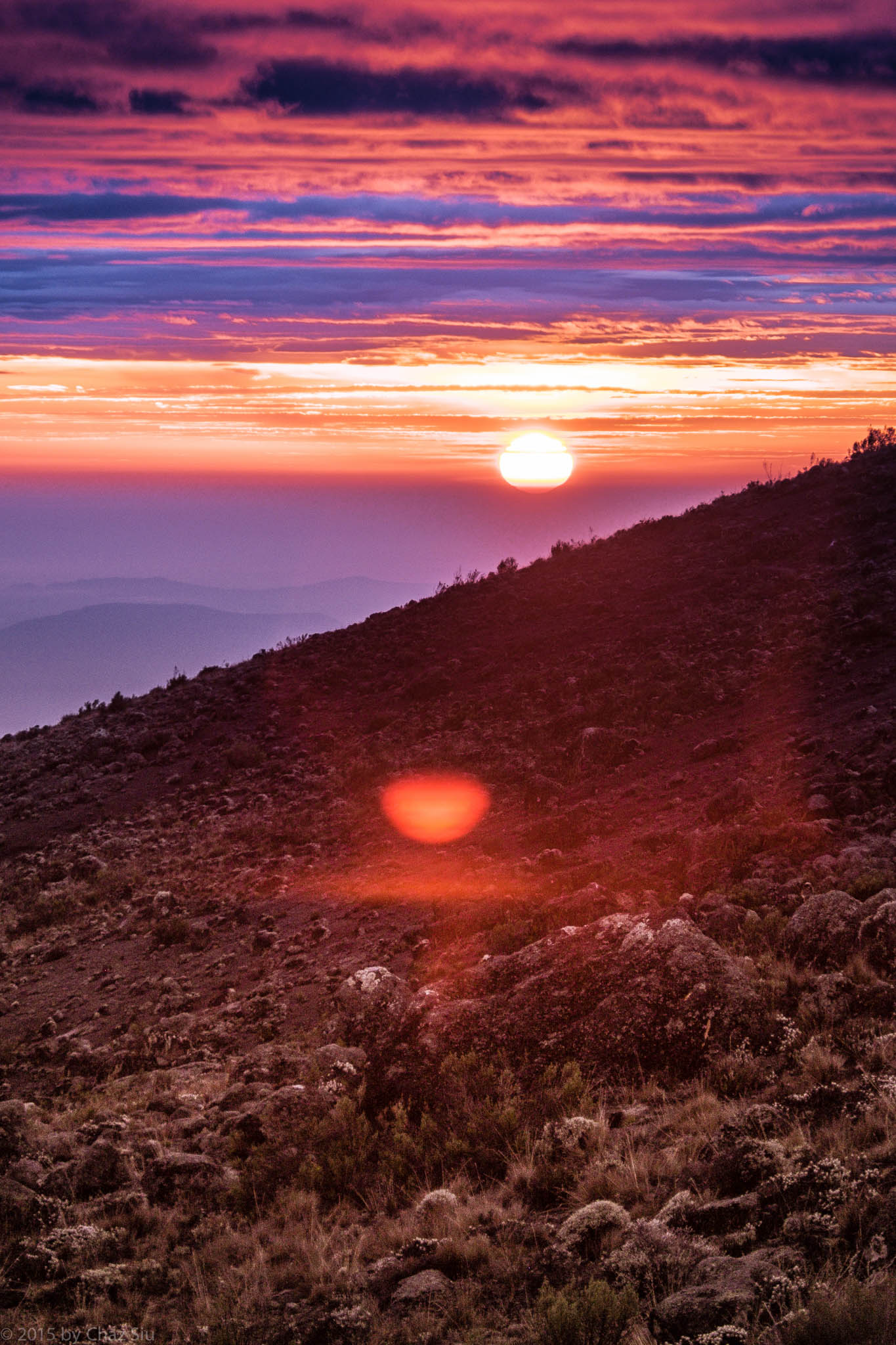
    • Buffalo Camp, situated above the Kenyan Plains, made for the best morning on Kilimanjaro so far, with unobstructed views of Kilimanjaro swathed in snow above us, orange African sunrise to the West, and grand views of the Kenyan landscape below, rolling hills dotted with trees. I spent two hours before everyone was up snapping the changing views as the sun rose.
Kilimanjaro - Buffalo Camp
Kilimanjaro From Buffalo Camp
Sunbeams Pierce The Kenyan Plains Below Buffalo Camp
Kenyan Plains
CLIK TO EXPAND: PANO – Kenyan Plains

BW Kenyan Plains From Buffalo Camp

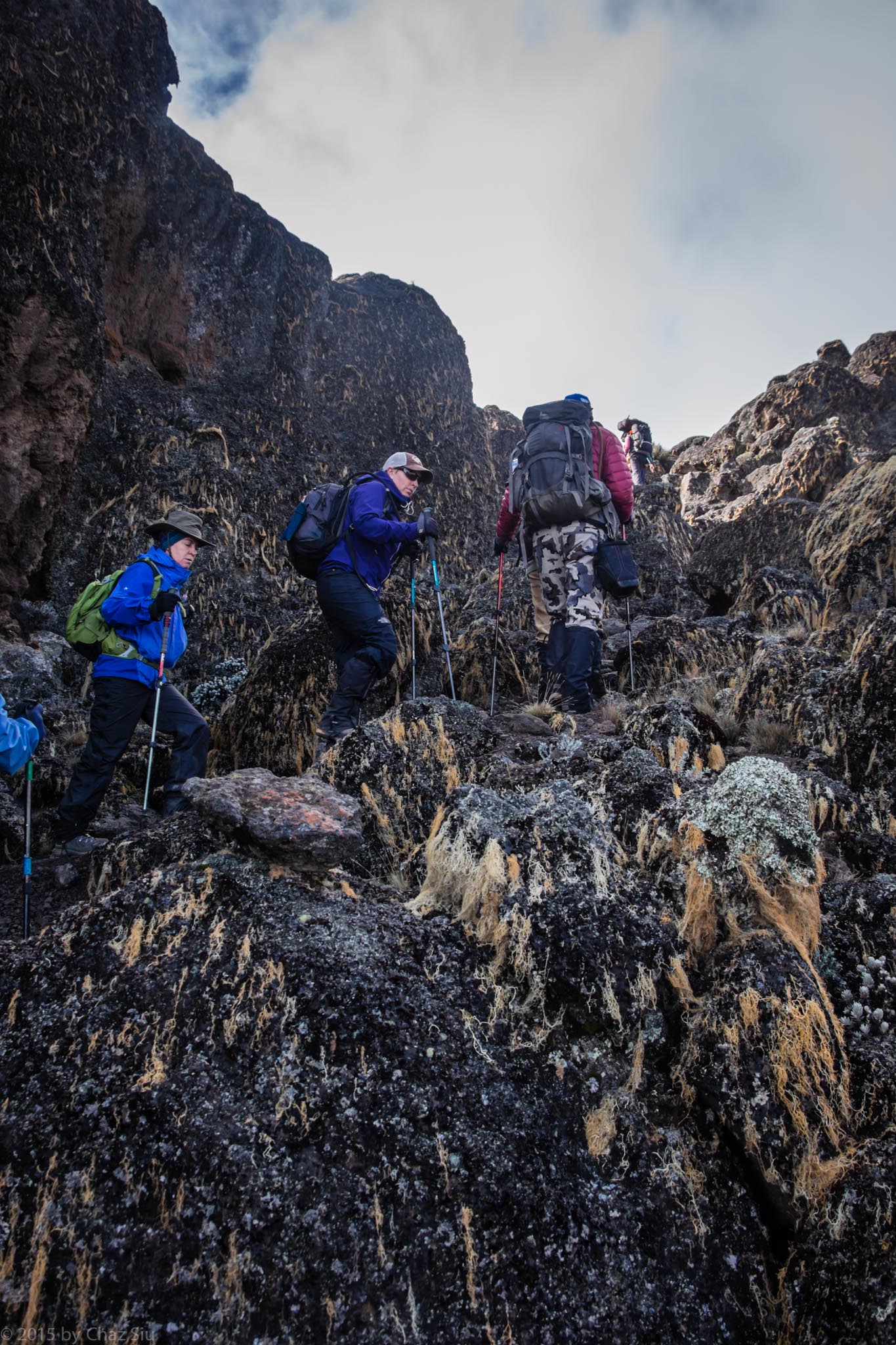
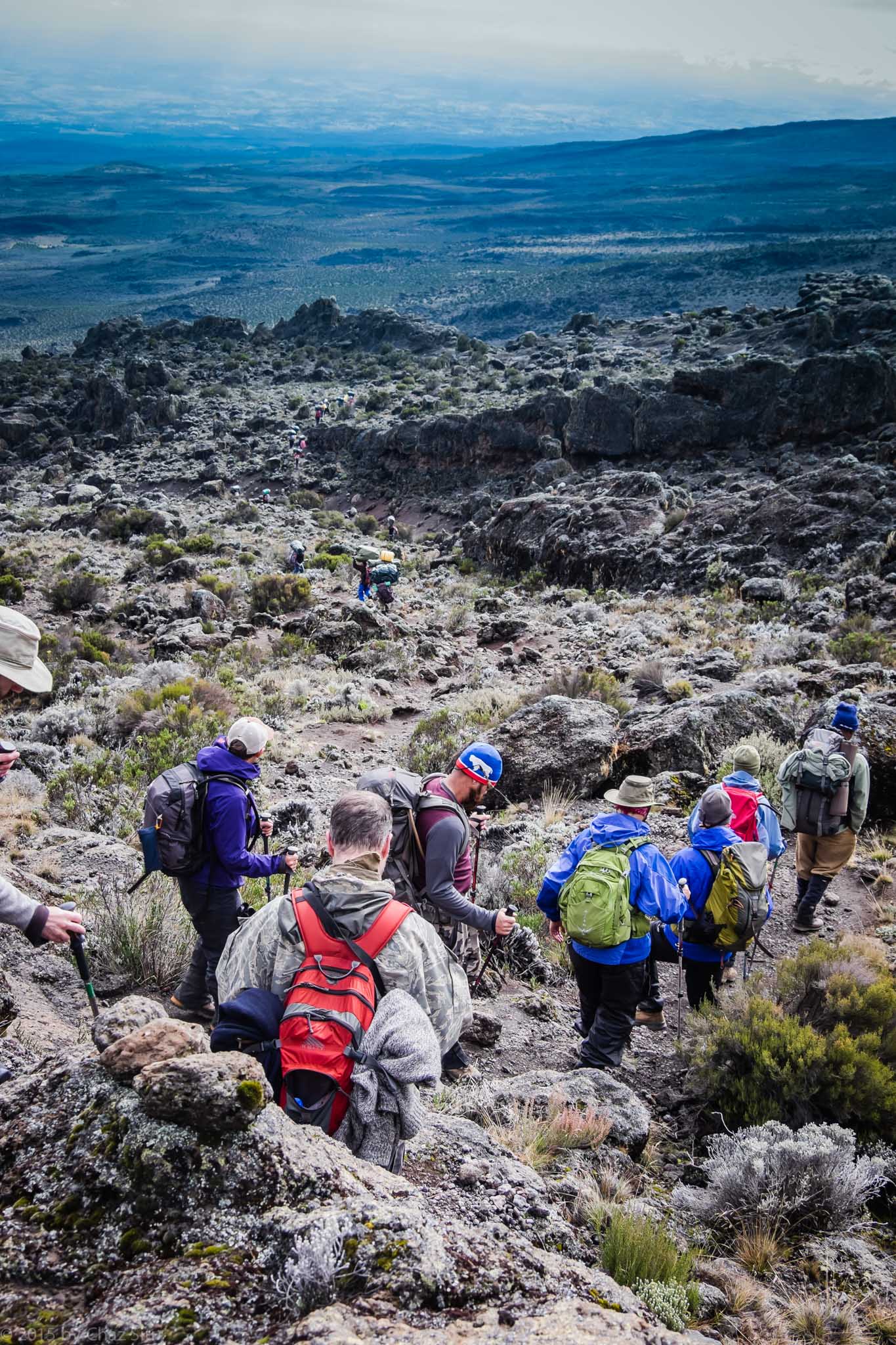
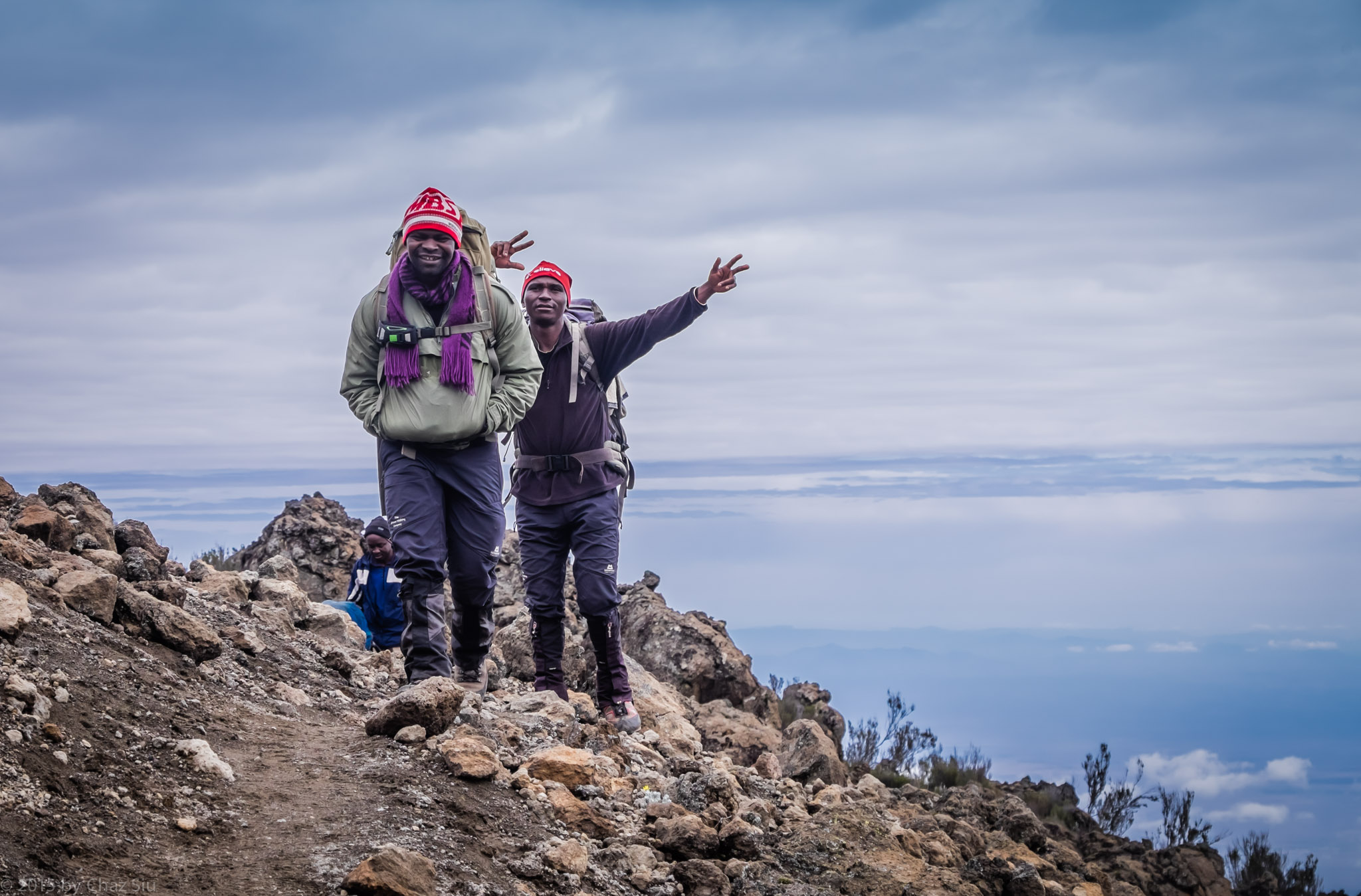
    • We set out into–what else–a misty undulating traverse to Third Cave Camp at 13,000 feet. However, unlike our other hikes of recent days, the mist cleared out, and we were left with spectacular views above the clouds the whole way – the views hike we’d imagined when we all signed up. Caryl was on day 3 of splitting headache, and at the end of the day, she recalled very little of our best hike segment so far.
Up Through Boulders On The Way To Third Cave
3rd Cave Hike Was an Up And Downer
Third Cave Hike Was an Up And Downer, And the Views Didn’t Suck
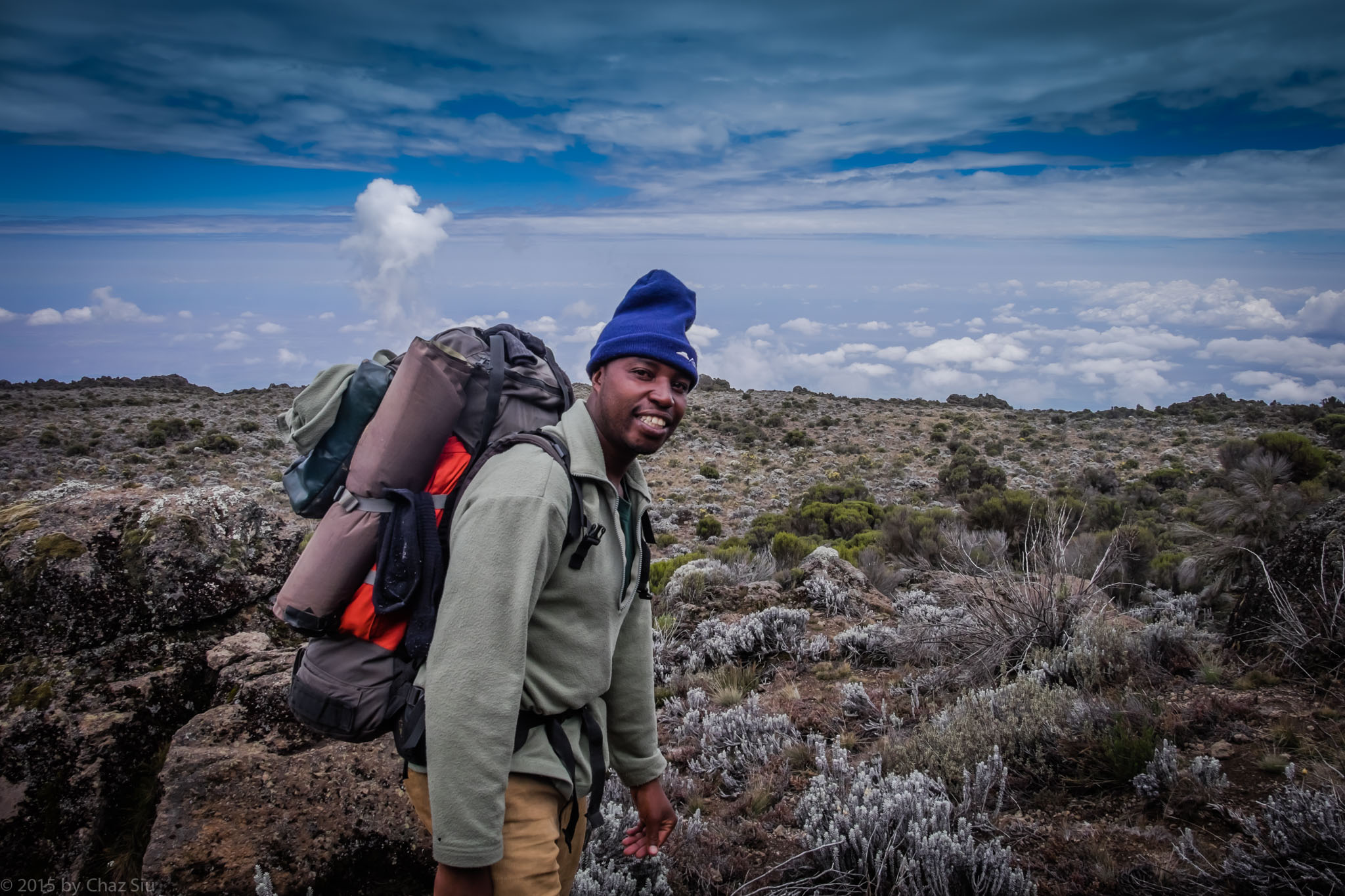
Said and JT, Goofing on The Third Cave Traverse
Third Cave Traverse Down A Ravine To The Kenyan Plains
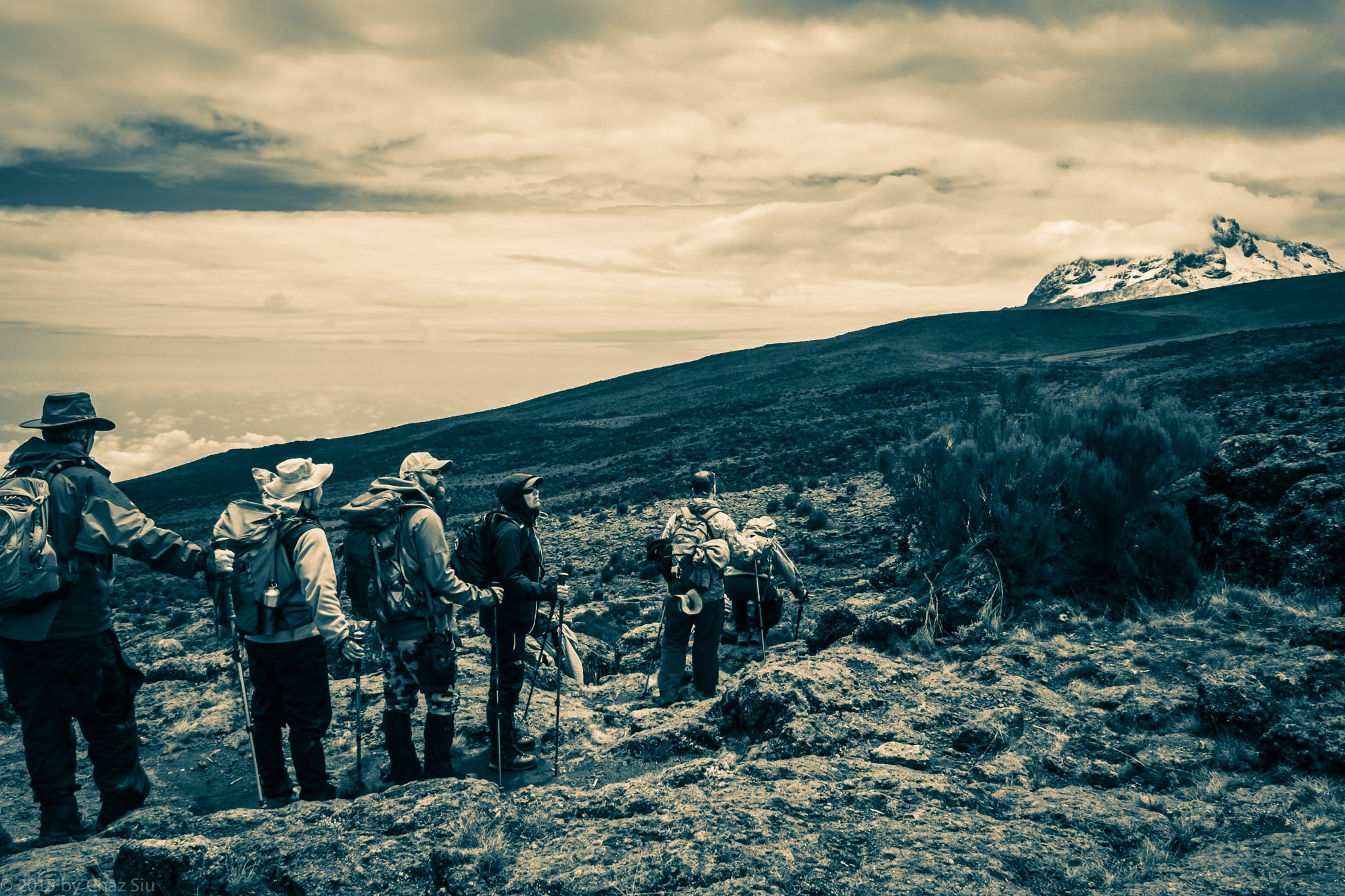
    • At some point, we came over a ridge and got our first glimps of Mawenzi, the second of three volcanic cones that make up Kilimanjaro. The first, you may recall from earlier posts, was Shira, of which the Shira Plateau represents the collapsed caldera. Mawenzi, like Shira, is also extinct. It is only climbable via technical gear, but JT indicated that after a fatal attempt in 1989, the Tanzanian park service cut it off from any climbing. Kibo is still active, with gas still emitting from its crater and represent the highest of the volcanic cones. At any rate, the sight of Mawenzi was pretty awe inspiring the way it sat across the mountain from us.
Team Sees Mwenzi, 3rd Cave Traverse
Team Sees Mawenzi, Third Cave Traverse
    • Eventually, we came to gash in the side of the hill that was First Cave. We made our snack/lunch break there. The cloud formations below were pretty amazing, including a big nuclear bomb shaped cloud rising above the rest.
Snacktime At First Cave:  L to R, Paul, Cort,Alex, JT, Rhys,Kitt,Said,Caryl
Snacktime At First Cave: L to R, Paul, Irina, Cort,Rhys, JT, Alex, Viviano, Said,Caryl, Kitt
Viviano and The Nuclear Bomb Cloud, Traverse To Third Cave
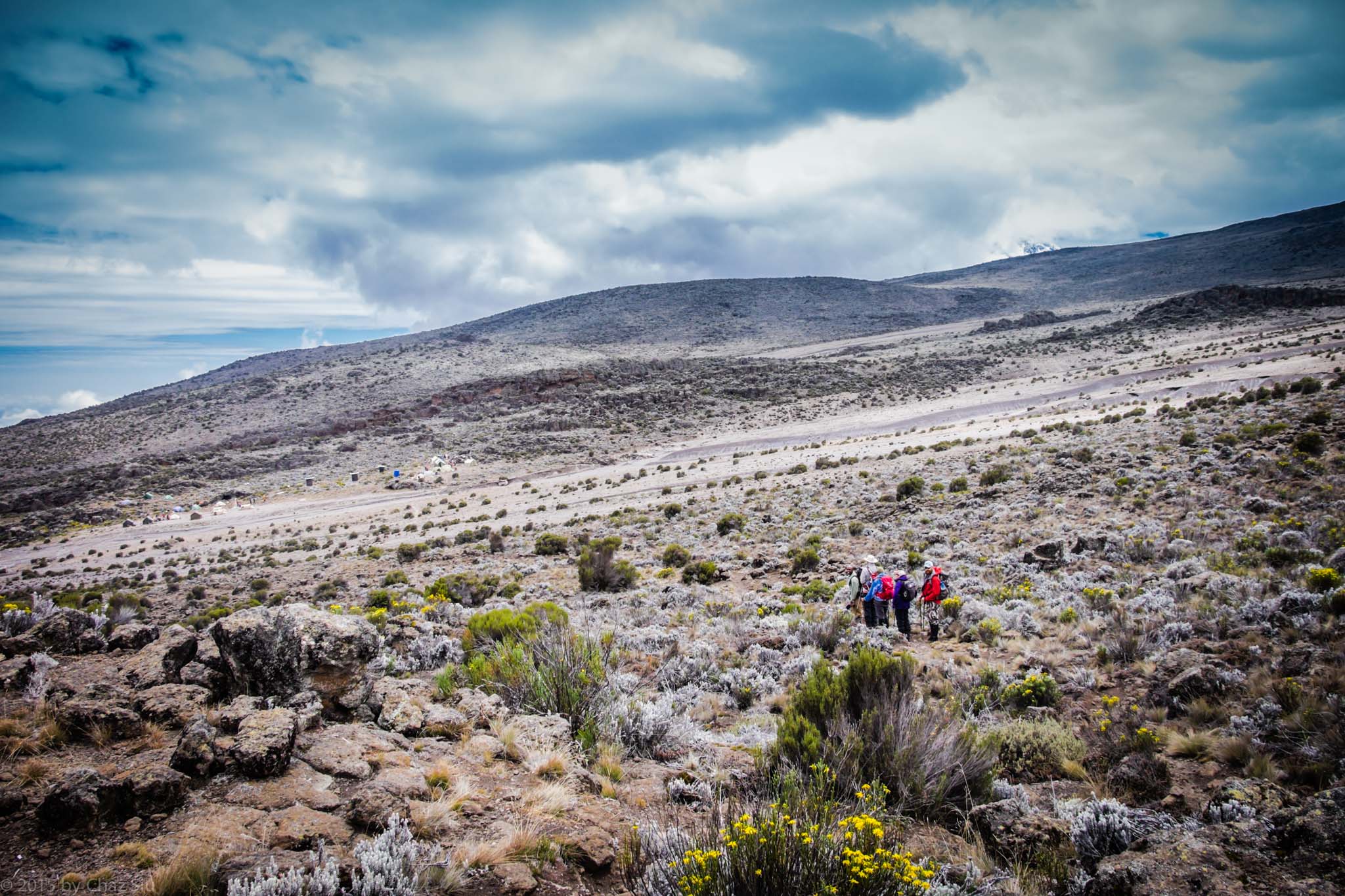
  • At last, across a wide ravine, we saw Third Cave. The camp was situated at such a steep mountain angle, the whole thing looked a little sideways, but it was sunny, and we relished a relaxing afternoon and evening. The real ascent up Kilimanjaro would begin tomorrow. In the meantime, Caryl and JT chatted, and Caryl became team member #4 on Diamox to ease her headaches. We would see the next day.
    Across The Ravine, Third Cave Camp At Last, On A Tilted Mountain Angle
    Across The Ravine, Third Cave Camp At Last, On A Tilted Mountain Angle

    FAQ:
    How did you book this epic journey?
    Through Peak Planet, the best reviewed agency we found. Researching the Kili guiding is an exercise is due diligence – but something to consider is the treatment of porters and guides helping you up the mountain. The cheaper operators have a reputation for porters and guides with tattered clothing, substandard shoes, and not getting paid for the many days away from their families. From all testimonials and references, Peak Planet is the opposite of that, working with the African Walking Company to ensure good treatment while keeping the prices reasonable. I have zero stake in Peak Planet, but the blog should speak for itself – the guides and porters were excellent, friendly, helpful, courteous, etc. all you could ask for on such a comprehensive undertaking.

What camera did you use?

  • The Fuji XT-1 mirrorless APS-C with an 18-135mm lens. All of it heavily weather resistant, unstopped by rain, freezing cold, sleet, or altitude. I did bring 4 extra batteries, kept warm in a wool sock…which proved to be good for the whole 9 day mountain journey.

Kilimanjaro Day 5: Buffalo Buffalo, Plus We Do Ourselves Lent (Hill) Way Before Easter

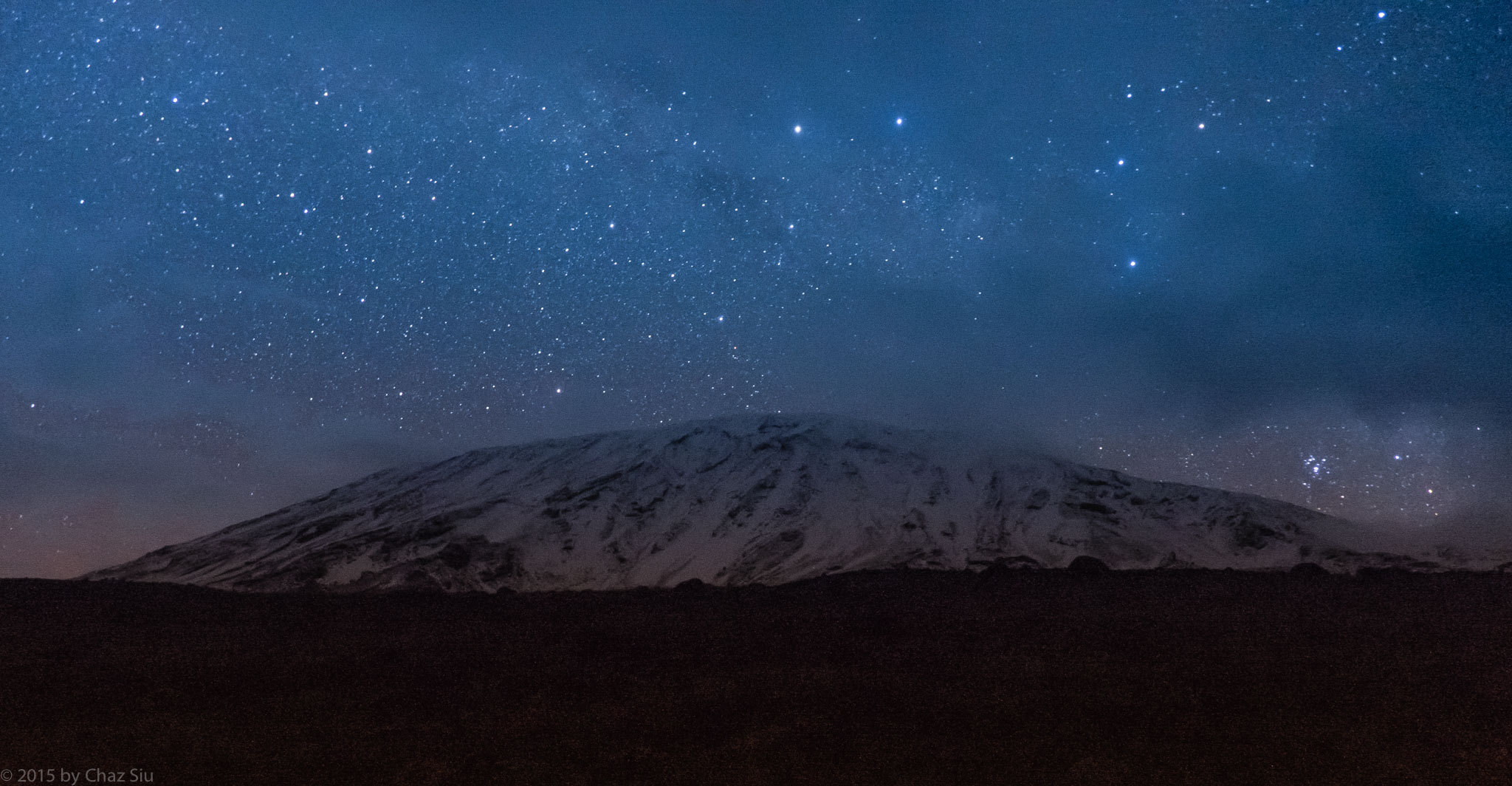
Kili - Starlit Morning
Kili – Starlit Morning

DAY 5 HIGHLIGHTS

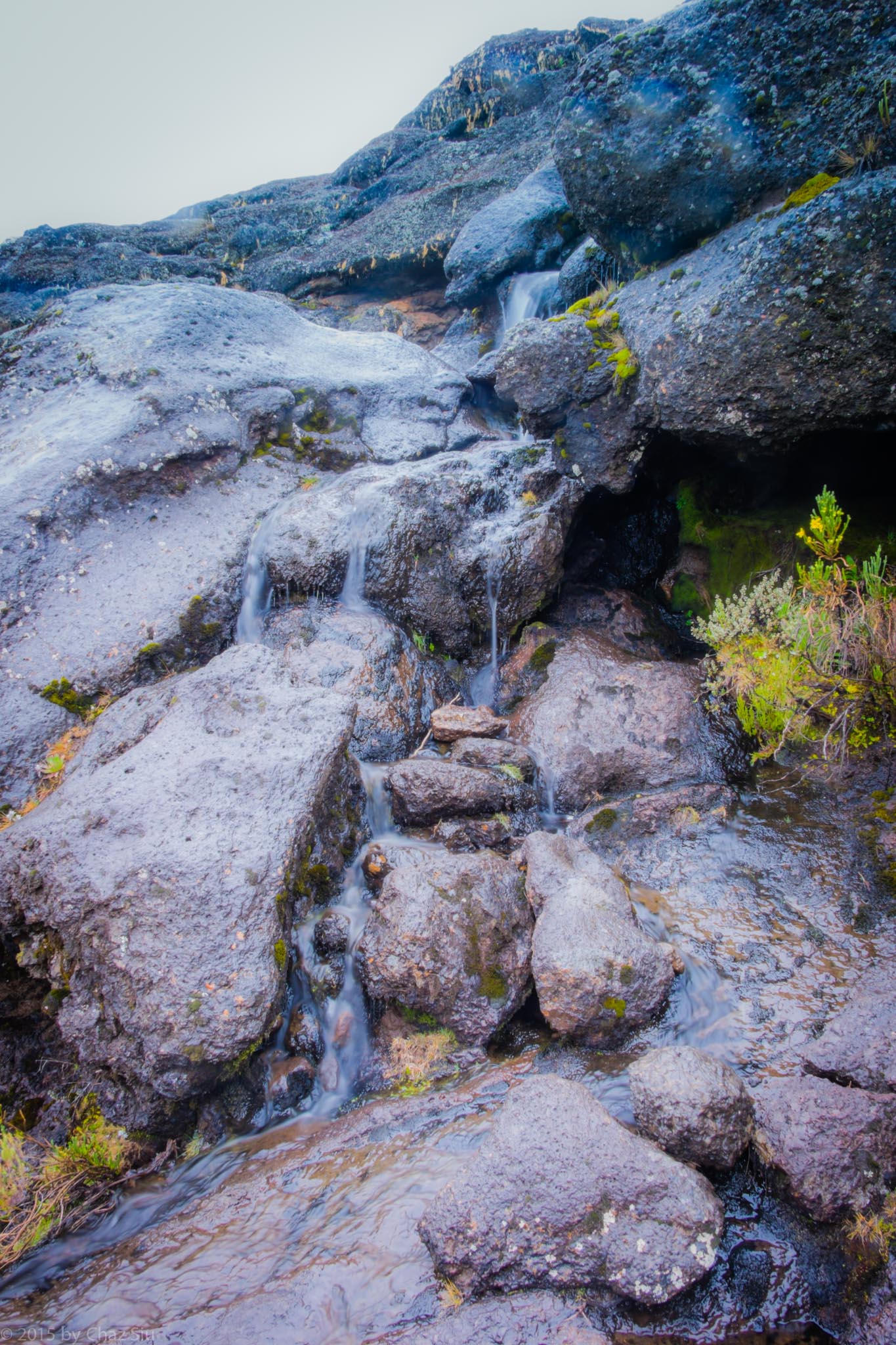
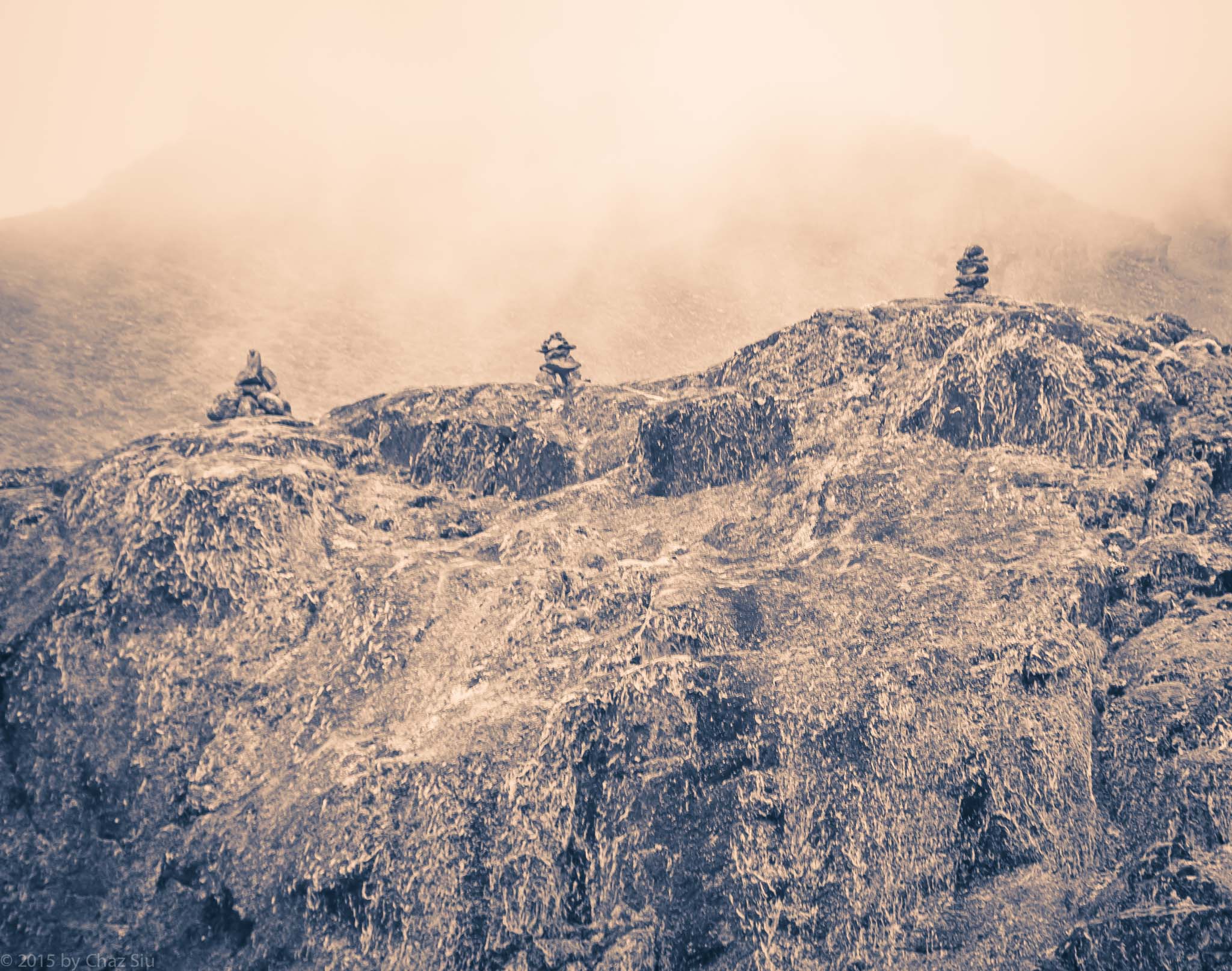
  • I woke up at 0-dark-thirty as usual and waited out the sunrise. The waterfalls cascading down the rocks were the first we’d seen since the Day 1 walks through the rainforest. To my left, there were three cairns perched precariously on a high cliff above the camp, the route we’d be taking out of Moir Hut later that morning.

Water Falls Near Moir Hut

Cairns Above Moir Hut

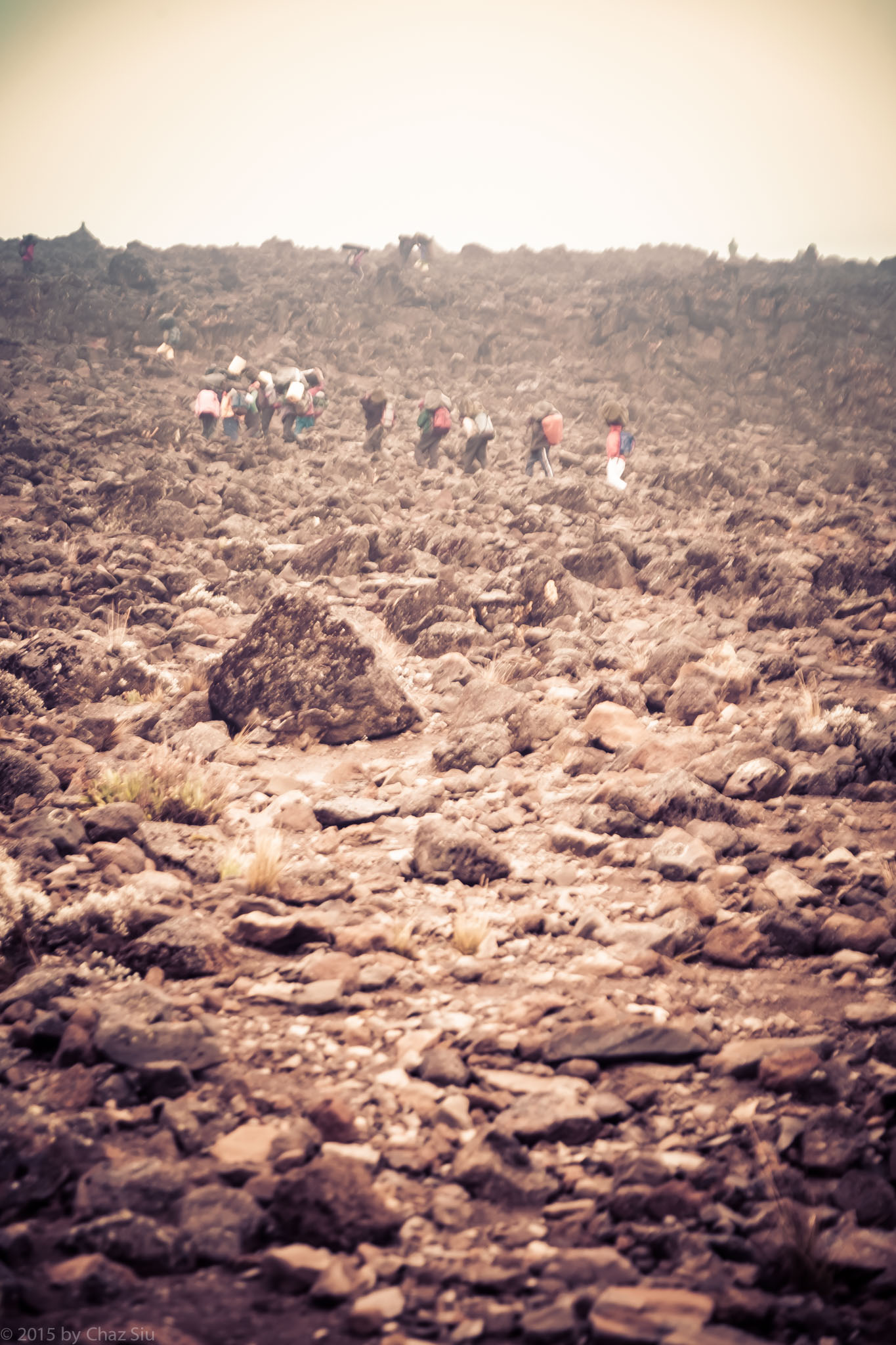
  • With Moir Hut at 13,632 feet and our target destination Buffalo Camp at 13,600 feet, we assumed we’d be doing a fairly flat traverse around the northern side of the mountain, but the way out of Moir Hut was a super steep switchback with 500 feet of straight elevation gain.Pole Pole pace makes these kinds of ascents not only possible, but fairly straightforward, as long as you’re not suffering any altitude effects. Caryl was in her 2nd day of on again, off again brutal headaches and combating sinuses as well, staving off Diamox for the moment, while the three members of the team on Diamox were back to normal and doing great. The rest of us marched onward to little effect, though I think Irina had mentioned a headache here and there.
Porters Climb The Switchbacks Out Of Moir Hut To Buffalo Camp
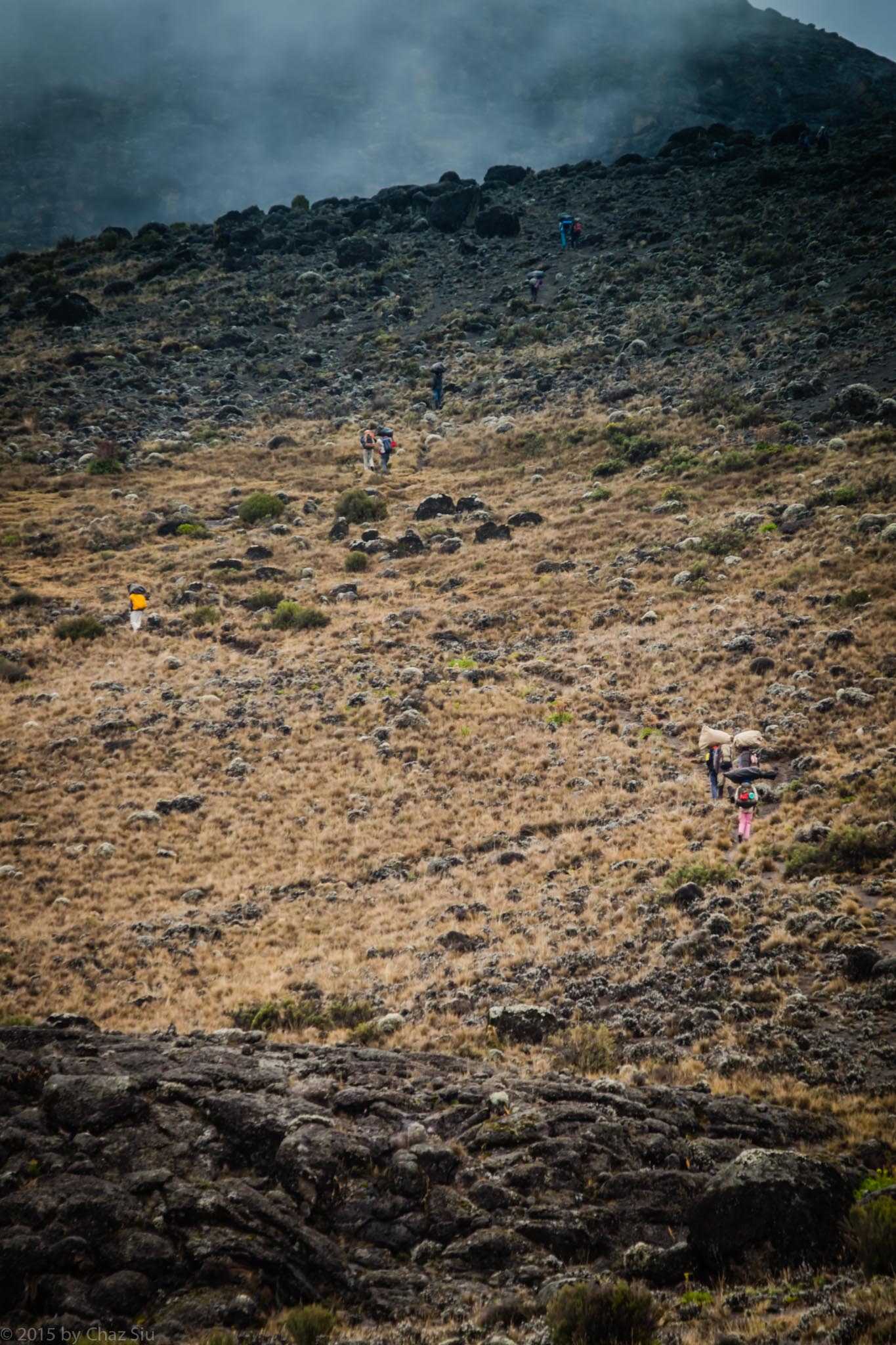
  • As we were headed out of Moir, we could also see the porters for the camps taking the Lava Tower route (the same we had done for acclimatization the day before) across the way. Tiny people, a vast and rock strewn landscape.
Porters Head Up To Lava Tower Junction From Moir Hut
Porters Head Up To Lava Tower Junction
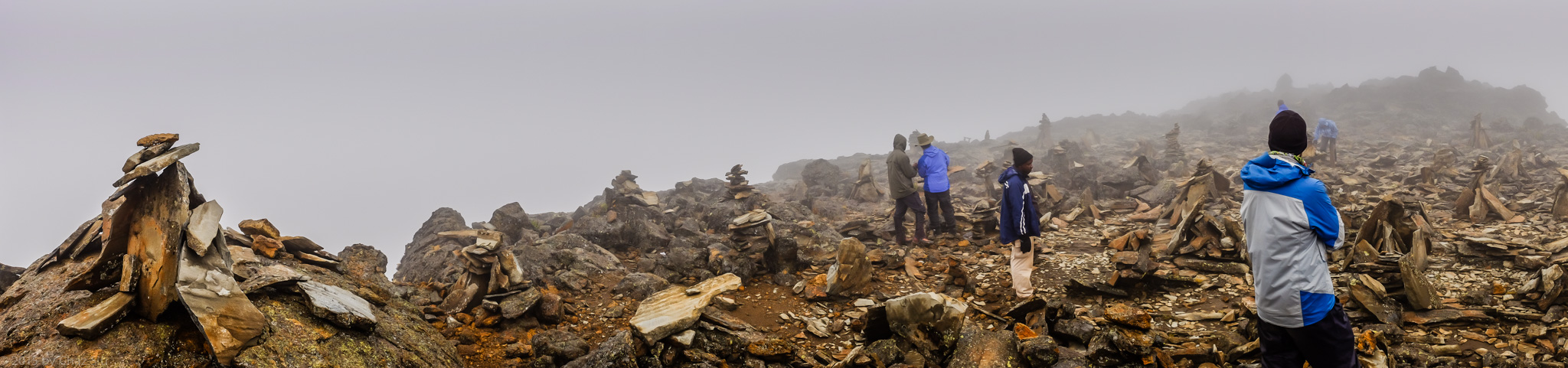
  • No surprise, we were once again shrouded in mist, with limited views below. About 45 minutes out of camp, we took a 100 foot boulder scrambling detour up the lowest of three Lent Hills [13,728 feet], where the biggest cairn forest we’d yet seen awaited us.
PANO - Cairn Forest At Lent Hill
CLICK TO EXPAND: PANO – Cairn Forest At Lent Hill
Lent Hill Cairn Trio
Looking Off Lent Hill At Traverse To Buffalo Camp
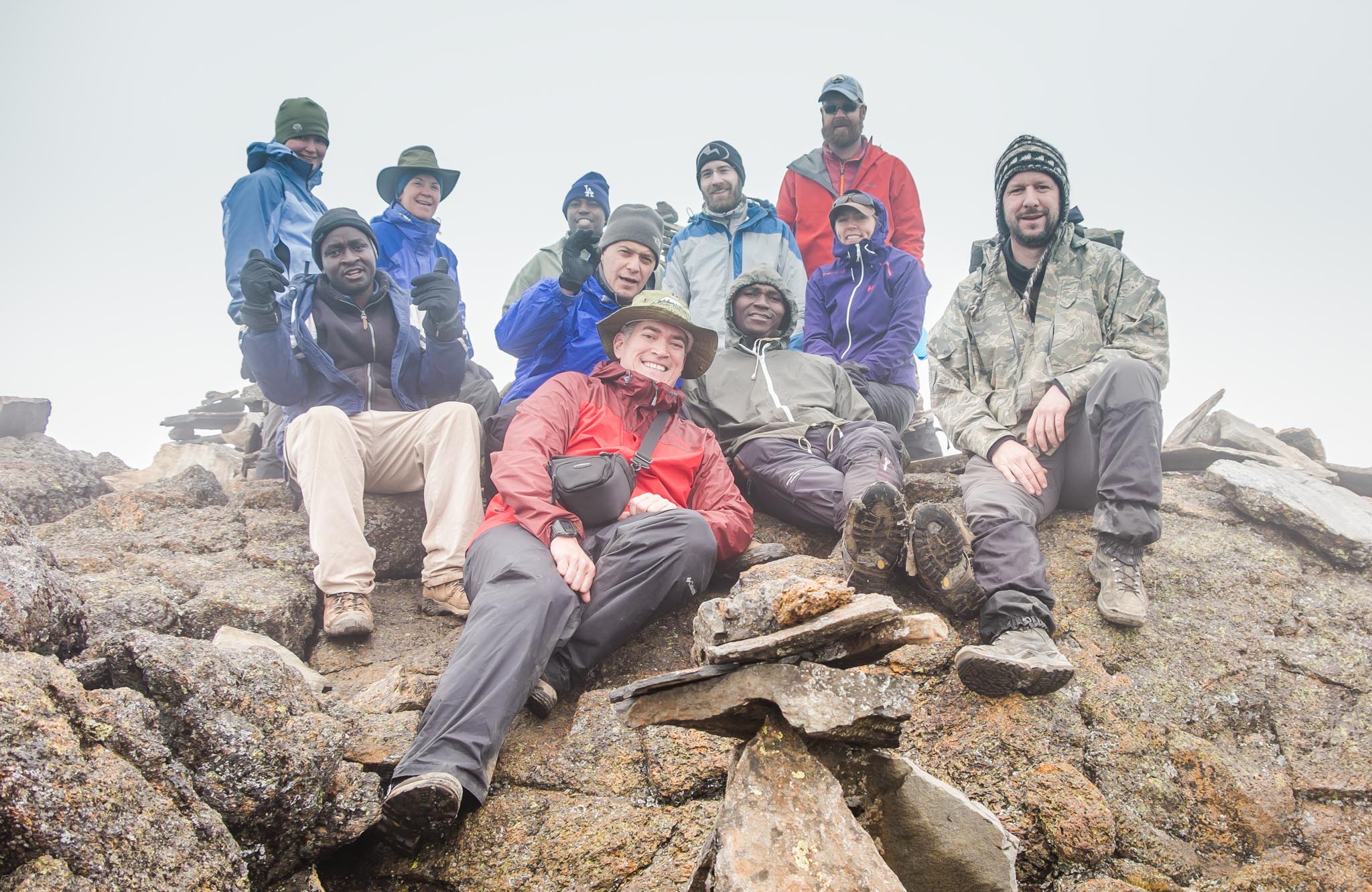
    • We relaxed in the mist up there, unable to see much.. “How far is it down there?” we asked Said, pointing down off the cliff into the white mist. “You should move away from that cliff edge and be careful,” he replied. Well, that’s as good an answer as any. We took our requisite team photo, scrambled back down and headed for Buffalo Camp.
Group Photo - Lent Hill
Group Photo – Lent Hill
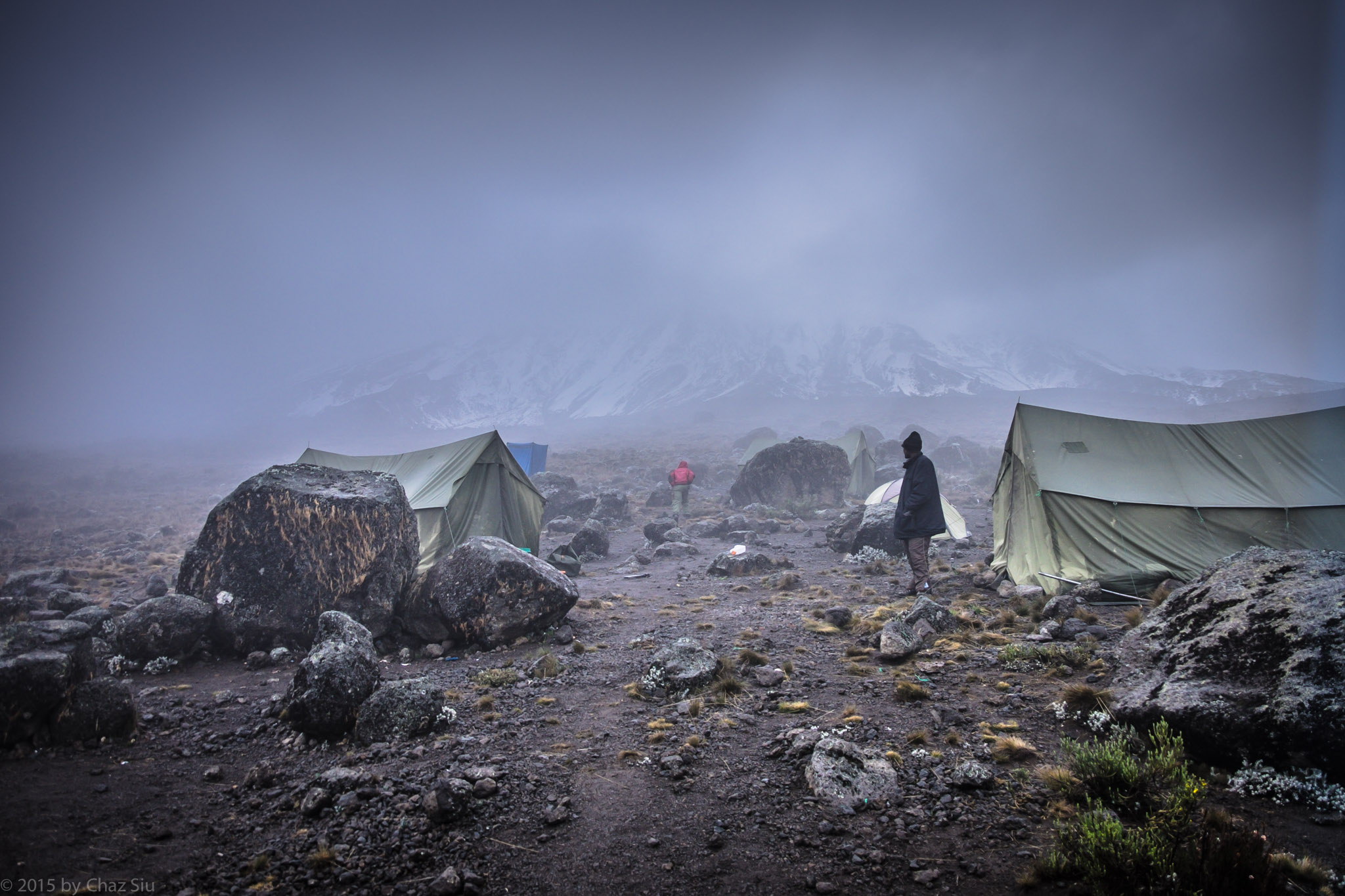
    • Buffalo Camp was different – it was on a fairly stiff decline on the mountain, and we first saw it across a giant ravine, along with our beloved cafe. I took a picture looking up at still snowbound Kilimanjaro from the camp, shrouded in mist. I should note that we’d gotten used to the mess tent being canted so steeply that those of who sat on the lower side always felt a tip away from rolling backwards and bringing down the tent.But hey, they brought us warm food for our bellies, so we made it work with just the occasional wry comment or two. I felt a little queasy at lunch, ran outside and hurled behind a boulder, slept for a half hour, then all was right with the world. I think it was something I ate, rather than altitude, since it came out of nowhere, and never happened again.
Pea Soup Mist At Buffalo Camp With Kili In The Background
Pea Soup Mist At Buffalo Camp With Snow Covered Kili In The Background. Note the angle of the ground the mess tent (right) is on.
  • The weather never quite cleared up that night, but we had spectacular views of cloud tops, with the plains of Kenya and Tanzania hidden below. We slept like big baby rhinos and although JT had warned of winds and rain, we had a brief patter and then nothing but the asychronous cadence of snores across the campground.
    CLICK TO EXPAND -  Buffalo Camp and The Internet Cafe
    CLICK TO EXPAND: PANO – Buffalo Camp Above The Clouds

    FAQ:
    How did you book this epic journey?

    Through Peak Planet, the best reviewed agency we found. Researching the Kili guiding is an exercise is due diligence – but something to consider is the treatment of porters and guides helping you up the mountain. The cheaper operators have a reputation for porters and guides with tattered clothing, substandard shoes, and not getting paid for the many days away from their families. From all testimonials and references, Peak Planet is the opposite of that, working with the African Walking Company to ensure good treatment while keeping the prices reasonable. I have zero stake in Peak Planet, but the blog should speak for itself – the guides and porters were excellent, friendly, helpful, courteous, etc. all you could ask for on such a comprehensive undertaking.

What camera did you use?

  • The Fuji XT-1 mirrorless APS-C with an 18-135mm lens. All of it heavily weather resistant, unstopped by rain, freezing cold, sleet, or altitude. I did bring 4 extra batteries, kept warm in a wool sock…which proved to be good for the whole 9 day mountain journey.